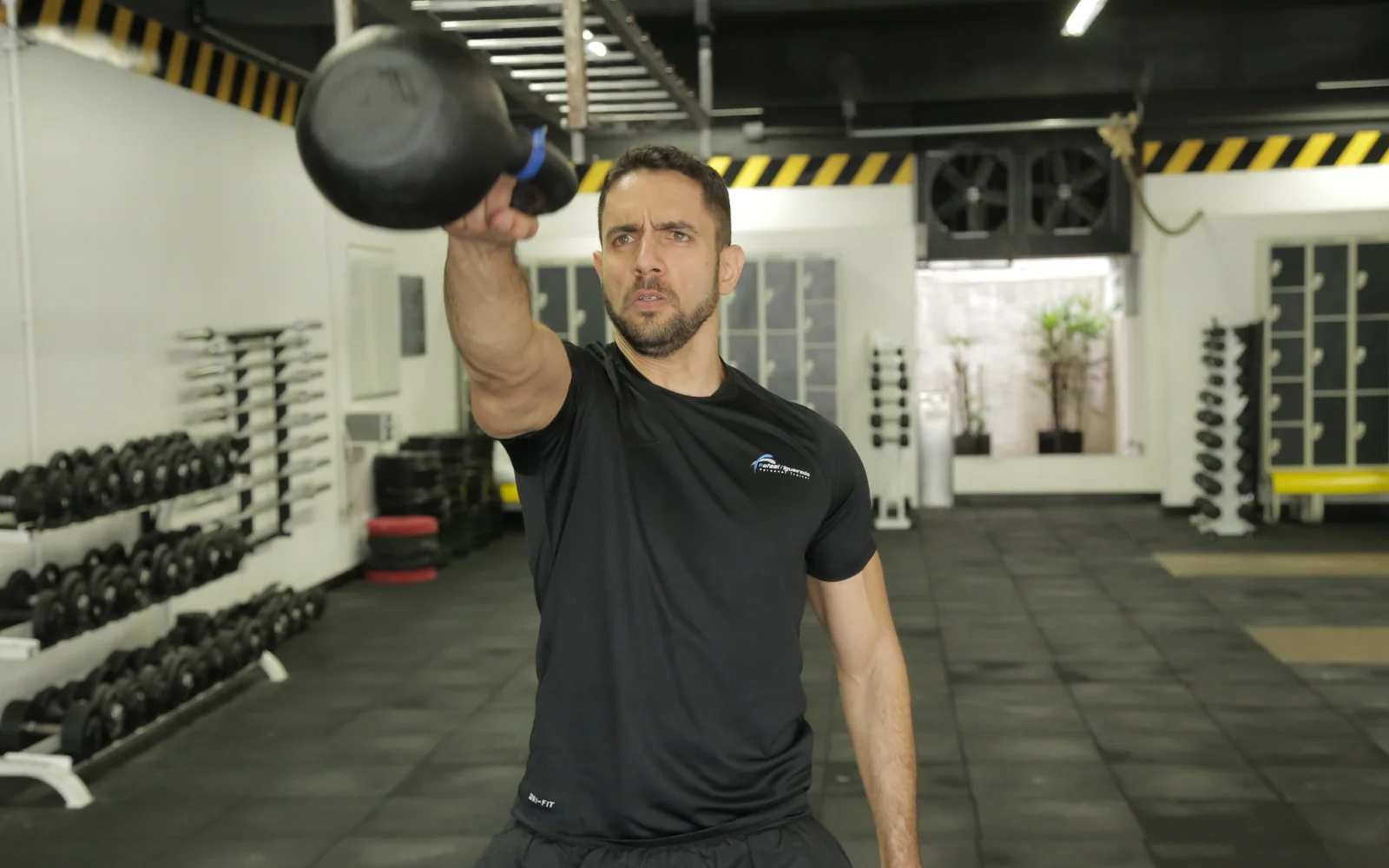
Home Workout Guide for Beginners: Your First 30 Days Without a Gym
A complete home workout guide for beginners — 30-day plan, essential equipment, full-body routines, and progression rules that actually build strength from home.
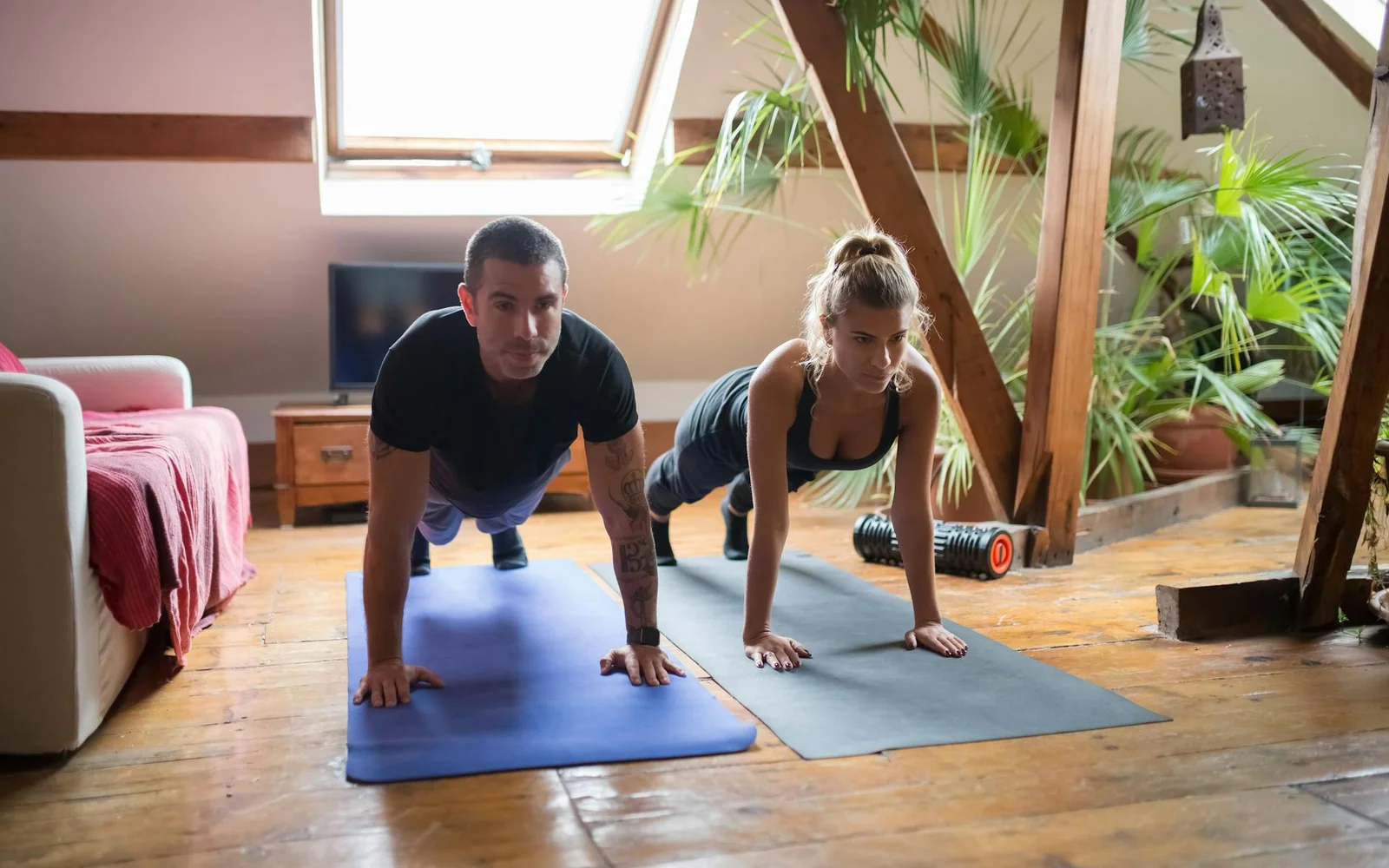
You don't need a gym to get stronger, leaner, or more athletic. You need 30 minutes, four walls, and about $150 worth of equipment that fits in a closet. This home workout guide for beginners lays out exactly what to buy, what to skip, and a 30-day routine that builds a real foundation of strength — without the intimidation, drive time, or monthly membership that stalls most people before they start.
Why Home Workouts Actually Work (When Done Right)
A 2021 meta-analysis in Sports Medicine compared 44 studies and found that home-based resistance programs produced 85–95% of the strength gains of gym-based programs in beginners, provided two conditions were met: progressive overload and adherence above 80%. The gym isn't magic — it's a tool. At home, your equipment choices and your discipline replace what the gym offers in social pressure and variety.
What home workouts can absolutely deliver:
- Meaningful strength gains (beginner gains are real regardless of venue)
- Visible muscle growth with the right volume
- Fat loss, paired with nutrition
- Cardiovascular fitness
- Mobility and injury resilience
What they can't easily deliver:
- Heavy barbell work over 200 lbs
- Specialized machines (leg press, pec deck)
- Training partners and spotters
For 90% of beginners, that first bucket covers 100% of their goals for the first 1–2 years.
The Minimum Viable Home Gym
You do not need a squat rack, a treadmill, and a cable station. You need four things that together cost less than three months of a commercial gym membership.
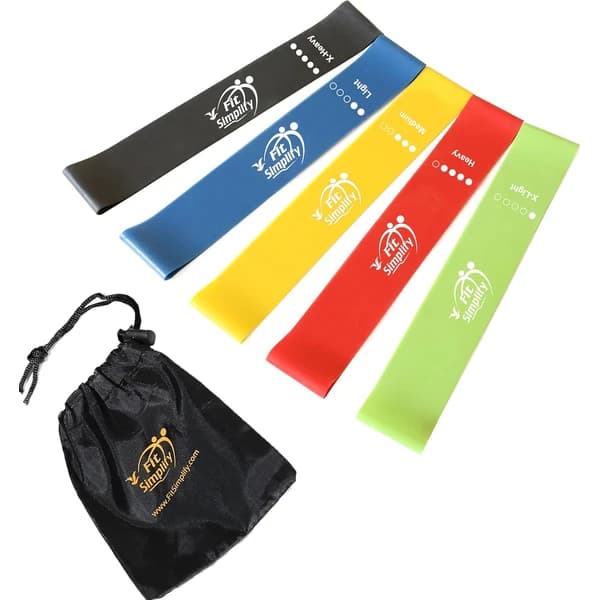
1. Resistance bands
The best first purchase for anyone. Bands scale from absolute beginner (pink band, 5–15 lb equivalent) to serious (black band, 50+ lb equivalent) and pack flat into a drawer. They also anchor to doors for rows and pulldowns — the two movements that dumbbell-only setups miss.
Amazon · Affiliate
Fit Simplify Resistance Loop Bands (5-Pack)
4.7
Premium latex resistance bands for all fitness levels. Perfect for home workouts, stretching, and rehab.
$10–$15Check Price on Amazon
2. Adjustable dumbbells
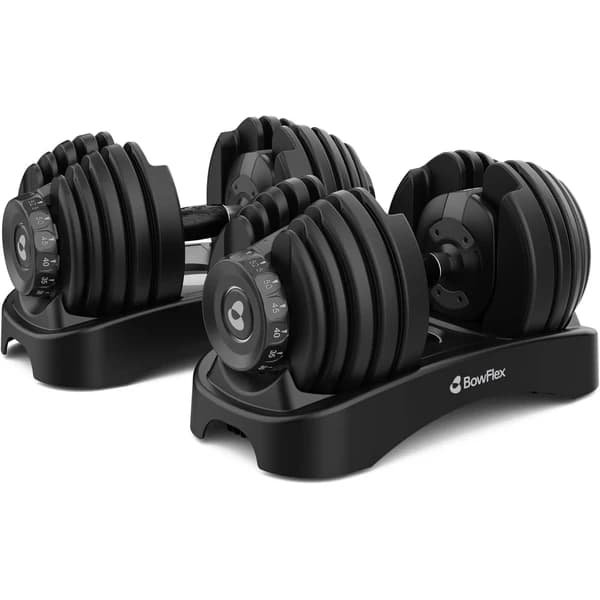
The single highest-ROI equipment purchase for a home gym. A good adjustable pair replaces 10–15 traditional dumbbells while taking up the floor space of two. Look for a set that ranges from 5 lb to at least 50 lb per hand — you'll grow into the top end within a year.
Amazon · Affiliate
Bowflex SelectTech 552 Adjustable Dumbbells
4.8
Replace 15 sets of weights. Dial adjusts from 5 to 52.5 lbs. Space-saving design for home gyms.
$300–$400Check Price on Amazon
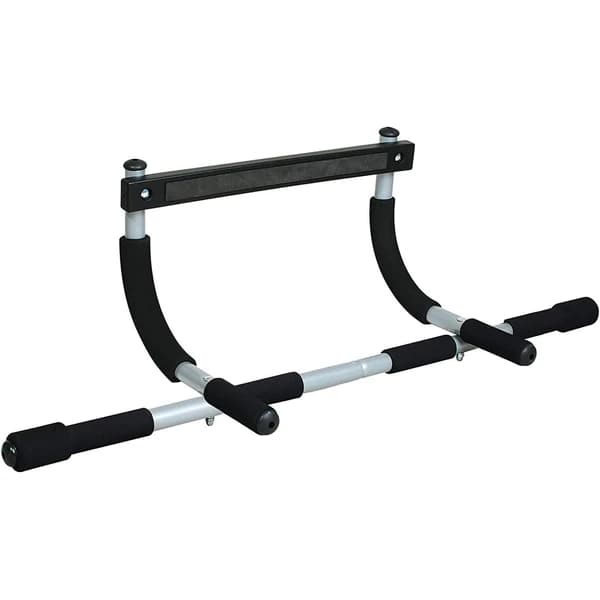
3. Pull-up bar
The single exercise most home lifters under-train is the vertical pull. A $30 doorway bar solves that instantly and gives you access to pull-ups, chin-ups, and hanging leg raises — the foundation of a strong back and core.
Amazon · Affiliate
Iron Gym Total Upper Body Workout Bar
4.5
Doorframe pull-up bar with no screws required. Supports up to 300 lbs. Doubles as a dip station.
$25–$35Check Price on Amazon
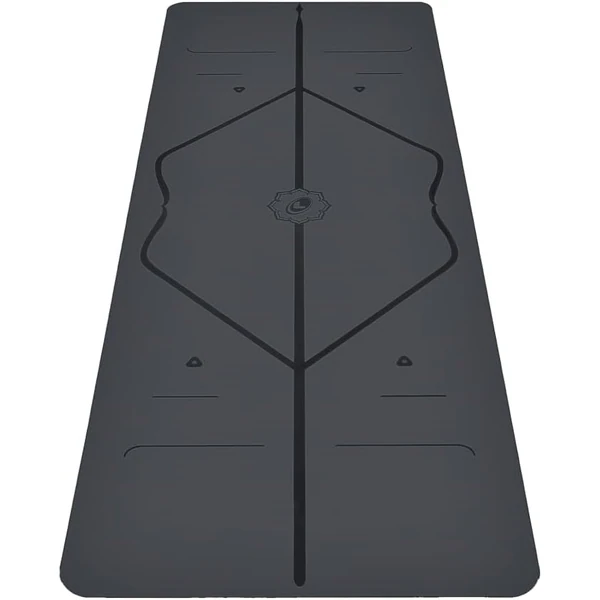
4. Workout mat
Non-negotiable for floor work, mobility, and quiet jumping. A thick, grippy mat also protects the floors of anyone who has a downstairs neighbor. The Manduka PRO is the benchmark if you want something that lasts a decade; cheaper PVC mats work fine for the first year.
Amazon · Affiliate
Manduka PRO Yoga Mat
4.8
Lifetime guarantee yoga mat with supreme cushioning. 6mm thick, non-slip surface, eco-friendly.
$80–$120Check Price on Amazon
Total investment: ~$150–350 depending on dumbbell tier. Breakeven vs a $40/month gym: 4–8 months.
Week 1: Move Every Day
The goal of week 1 is not to "get in shape" — it's to establish the habit. Neuroscience research on habit formation (Lally et al., 2010) puts the average time to habit automaticity at 66 days. Week 1 is day 1–7 of that curve.
Daily template (30 minutes):
- 5 min warm-up: jumping jacks, arm circles, hip circles
- 20 min workout (rotate between A/B below)
- 5 min cool-down: hamstring stretch, child's pose, deep breathing
Day A — Upper/Core
- Push-ups (or knee push-ups) — 3×8–12
- Bent-over dumbbell row — 3×10/side
- Shoulder press (dumbbell) — 3×10
- Plank — 3×30 sec
Day B — Lower/Cardio
- Goblet squat — 3×10
- Walking lunge — 3×10/leg
- Glute bridge — 3×15
- Jumping jacks — 3×45 sec
Alternate A/B across the week, take 2 rest days. That's it.
Week 2: Add Load and Time Under Tension
Now we progressively overload. The single mental shift that separates effective home workouts from "winging it" is tracking: write down your weight and reps each session.
Progression rules:
- If you hit the top of the rep range (12 on push-ups, 10 on squats), next session add weight or a harder variation.
- If form breaks down, drop back and rebuild.
- Rest 60–90 seconds between sets (not 5 minutes scrolling your phone).
New exercises to introduce this week:
- Romanian deadlift (with dumbbells) — hamstrings and glutes
- Pike push-up (feet on bench) — shoulder progression
- Pull-up negatives (jump up, lower slow) — back progression
- Bulgarian split squat — single-leg strength
Expert tip: physical therapist Kelly Starrett (Ready to Run) puts it this way: "The exercise doesn't have to be exotic. The effort has to be honest." Pick fewer moves. Go hard at them.
Week 3: Structured 4-Day Split
By week 3 you've got baseline capacity. Shift from daily short sessions to four longer sessions with real structure.
Day 1 — Upper Push
- Push-up variation — 4×8–12
- Dumbbell shoulder press — 4×10
- Dumbbell floor press (or bench) — 3×10
- Band pull-apart — 3×15
- Triceps kickback or dip — 3×12
Day 2 — Lower
- Goblet squat — 4×10 (heavy)
- Dumbbell Romanian deadlift — 4×10
- Walking lunge — 3×10/leg
- Calf raise (holding dumbbells) — 4×15
- Plank — 3×45 sec
Day 3 — Upper Pull
- Pull-up or band-assisted pull-up — 4×5–10
- Bent-over row — 4×10
- Single-arm dumbbell row — 3×10/side
- Face pull (band) — 3×15
- Dumbbell biceps curl — 3×10
Day 4 — Total Body + Conditioning
- Goblet squat to press — 3×10
- Renegade row — 3×8/side
- Dumbbell swing (both hands) — 3×15
- Dead bug — 3×12/side
- 10 min steady jump rope or stair laps
Week 4: Intensify and Test
The final week layers in more intensity without more time. Your goal is to end the 30 days with proof of progress — weights moved, reps added, a pull-up earned.
Intensity techniques (pick one per session)
- Drop sets: on your last exercise, hit a heavy set, drop the weight 20–30%, immediately do another set to failure
- Rest-pause: take your hardest set to failure, rest 15 seconds, squeeze out 3–5 more reps
- Tempo work: lower the weight on a 3–4 second count (eccentric focus builds muscle efficiently)
The day-30 test
Repeat your week 1 workout. You'll notice immediately:
- Push-ups that were hard at 8 reps now flow at 12
- Goblet squats that felt heavy at 20 lbs now feel light at 30–40 lbs
- Planks extend from 30 seconds to 60+
This is tangible proof that home workouts work — if you show up.
Common Mistakes to Avoid
- Buying equipment before committing — start with bodyweight + bands for week 1, upgrade only if you train consistently. Half the equipment in the world sits unused in garages.
- Zero progression — doing the same 3 sets of 10 push-ups forever yields zero growth after 2 weeks. Add reps, weight, or a harder variation.
- Ignoring pulling movements — home gyms are notoriously push-heavy. Rows and pull-ups prevent the rounded-shoulder posture that 90% of desk workers fight.
- Skipping warm-up — 5 minutes of dynamic movement reduces injury risk by roughly 40% (multiple meta-analyses).
- Treating it as optional — put the session on your calendar like a meeting. "I'll work out at some point today" has ~20% adherence.
What to Do After Day 30
You now have a baseline. Where next depends on your goal:
- More muscle? Move to a proper 4-day split (our compound vs isolation guide lays one out).
- Fat loss? Pair this routine with a calorie deficit and check our 30-day belly fat plan.
- Athletic performance? Add sprints, plyometrics, and continue progressive overload.
- Maintain? Repeat week 3's split indefinitely. Two sessions per week maintains everything you've built.
Final Thoughts
The best home workout guide for beginners isn't the fanciest routine — it's the one you'll still be doing on day 31, 60, and 300. Four pieces of equipment, 30 minutes four times a week, and the willingness to write down what you lifted. That's the entire secret. The rest is just patience.
For your next phase, check out the HIIT workout plan for beginners or subscribe to the LeanBodyEngine newsletter for a new training template every Sunday.
Affiliate disclosure: Some links in this article are affiliate links. If you purchase through them, we may earn a small commission at no extra cost to you. We only recommend products we genuinely believe in.
About the author
Nathan reviews the research, tests the tools, and writes the guides at LeanBodyEngine — evidence-first, no sponsored content, no supplement shilling.
Related articles
Subscribe
Never miss a new article
Get an email whenever we publish a new fitness guide, supplement review, or workout plan. One short email per post — that's it.
Unsubscribe anytime. We only email when there's a new post.