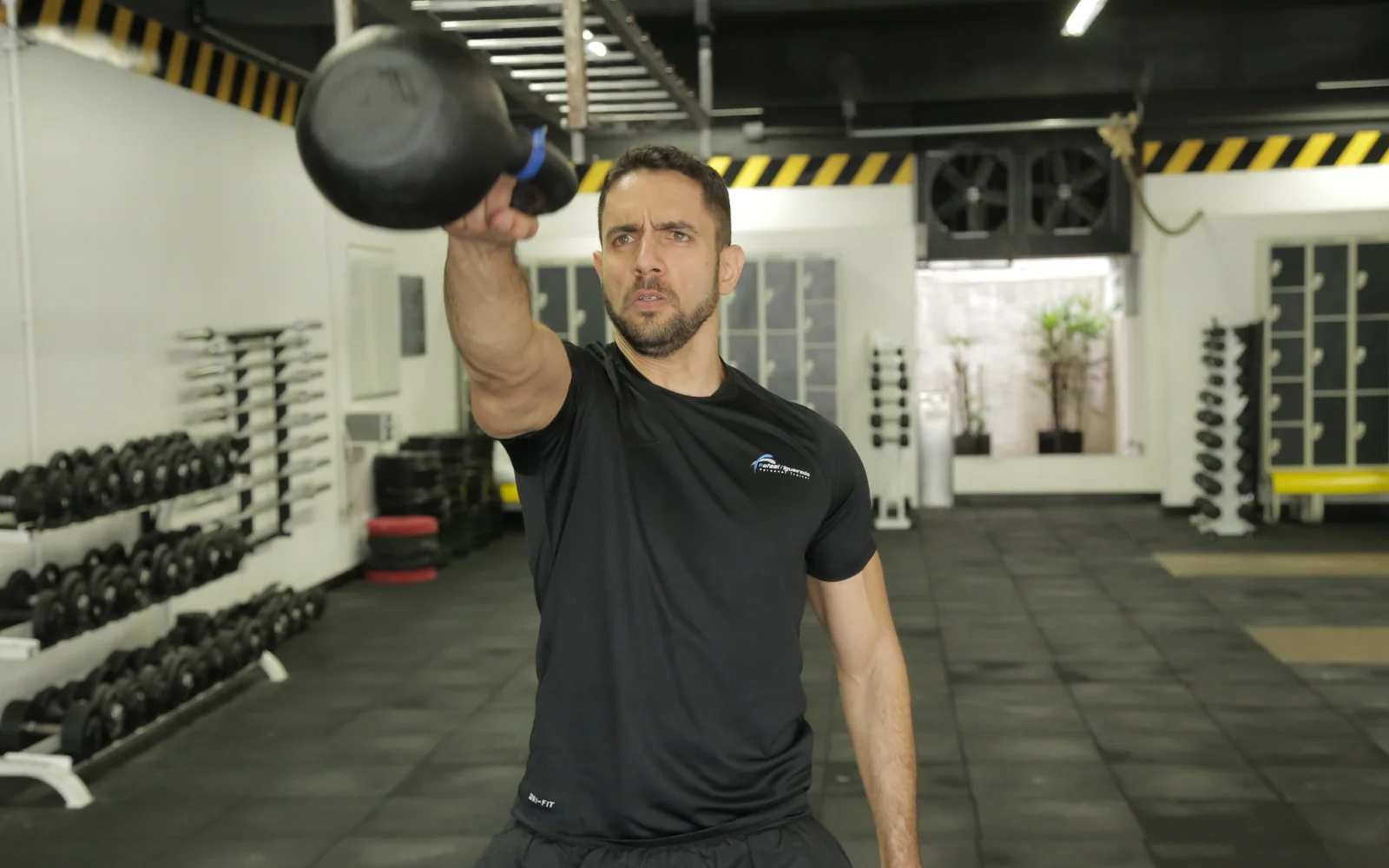
HIIT Workout Plan for Beginners: Your First 4-Week Guide
New to HIIT? This beginner HIIT workout plan breaks down the science, technique, and a 4-week schedule to help you burn fat and build endurance safely.

If you've heard that HIIT workout plans burn more fat in less time — you've heard right. High-intensity interval training is one of the most efficient forms of cardio ever studied, and the good news is you don't need to be an athlete to start. This beginner HIIT workout plan gives you a clear 4-week roadmap: what HIIT is, why it works, how to do it safely, and exactly what to do each week.
Key Takeaways
- HIIT reduces body fat percentage nearly 29% more effectively than moderate-intensity continuous training in the same time window (2019 British Journal of Sports Medicine meta-analysis)
- The EPOC "afterburn effect" keeps your metabolism elevated for hours after every session — you burn calories long after you stop moving
- Beginners start at a 20 sec on / 40 sec off work-to-rest ratio and progress to 35/25 by Week 4
- Sessions run 18–25 minutes (including warm-up and cool-down) — shorter than a typical jog
- Train 3 days per week with at least one full rest day between sessions to allow adaptation
- A clear 4-week progression ladder takes you from learning movements to raising intensity without switching exercises mid-block
What Is HIIT?
HIIT — High-Intensity Interval Training — alternates short bursts of intense effort with brief recovery periods. A typical beginner ratio is 20 seconds on, 40 seconds off, building toward 30/30 or even 40/20 as your fitness improves.
The science is compelling. A 2019 meta-analysis published in the British Journal of Sports Medicine found HIIT reduced body fat percentage nearly 29% more effectively than moderate-intensity continuous training in the same time window. Your body's oxygen consumption stays elevated for hours after a session — a phenomenon called excess post-exercise oxygen consumption (EPOC), or the "afterburn effect."
Key Terms to Know
- Work interval: The high-effort burst (sprinting, jumping, burpees)
- Rest interval: Active or passive recovery (walking, standing)
- Round: One complete set of work + rest
- Session: The full workout (typically 15–30 minutes for beginners)
Why HIIT Works for Beginners
Many beginners default to long, slow cardio — 45 minutes on the treadmill. HIIT challenges that assumption:
- Time-efficient: A 20-minute HIIT session can match the caloric output of 40+ minutes of jogging
- No equipment required: Bodyweight exercises like jumping jacks, high knees, and squat jumps need only floor space
- Scalable intensity: You control how hard you push. A beginner's "high intensity" is relative to your fitness level, not an elite athlete's
- Metabolic adaptation: HIIT improves both aerobic and anaerobic capacity simultaneously, giving you a broader fitness base
Compared to steady-state cardio, HIIT also better preserves muscle mass during fat-loss phases — an important advantage if you're also doing any strength training.
HIIT vs. Alternatives: Which Should You Choose?
| Goal / Situation | Best Choice | Why | |---|---|---| | Maximum fat loss in minimum time | HIIT | 29% greater fat reduction vs. steady-state; EPOC extends calorie burn post-session | | Low-impact active recovery | Steady-state cardio | Low joint stress; sustainable for daily use; doesn't require recovery days | | Building muscle size or strength | Strength training | Progressive overload drives hypertrophy; HIIT cannot replicate this stimulus | | Cardiovascular base for beginners | Steady-state cardio | Builds aerobic capacity safely before introducing high-intensity stress | | Time under 30 minutes per session | HIIT | 18–25 min sessions deliver full metabolic stimulus | | Joint pain or injury present | Steady-state or strength | HIIT's explosive movements increase joint load risk | | Paired with strength training days | HIIT (on off days) | Preserves muscle better than steady-state during fat-loss phases |
Before You Start: Equipment & Safety
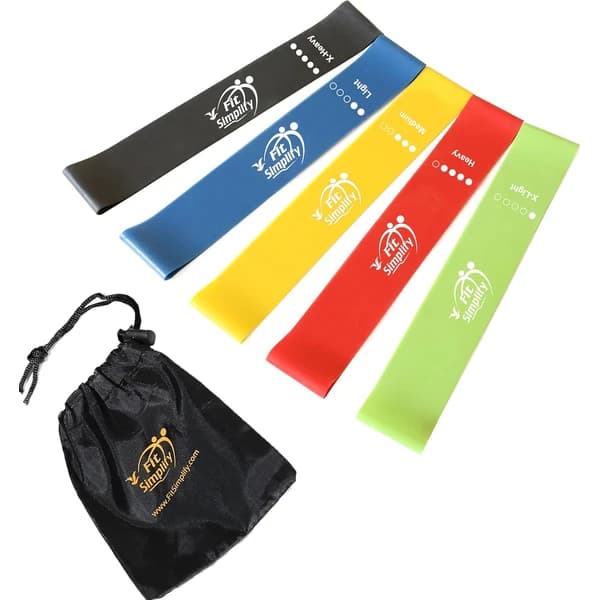
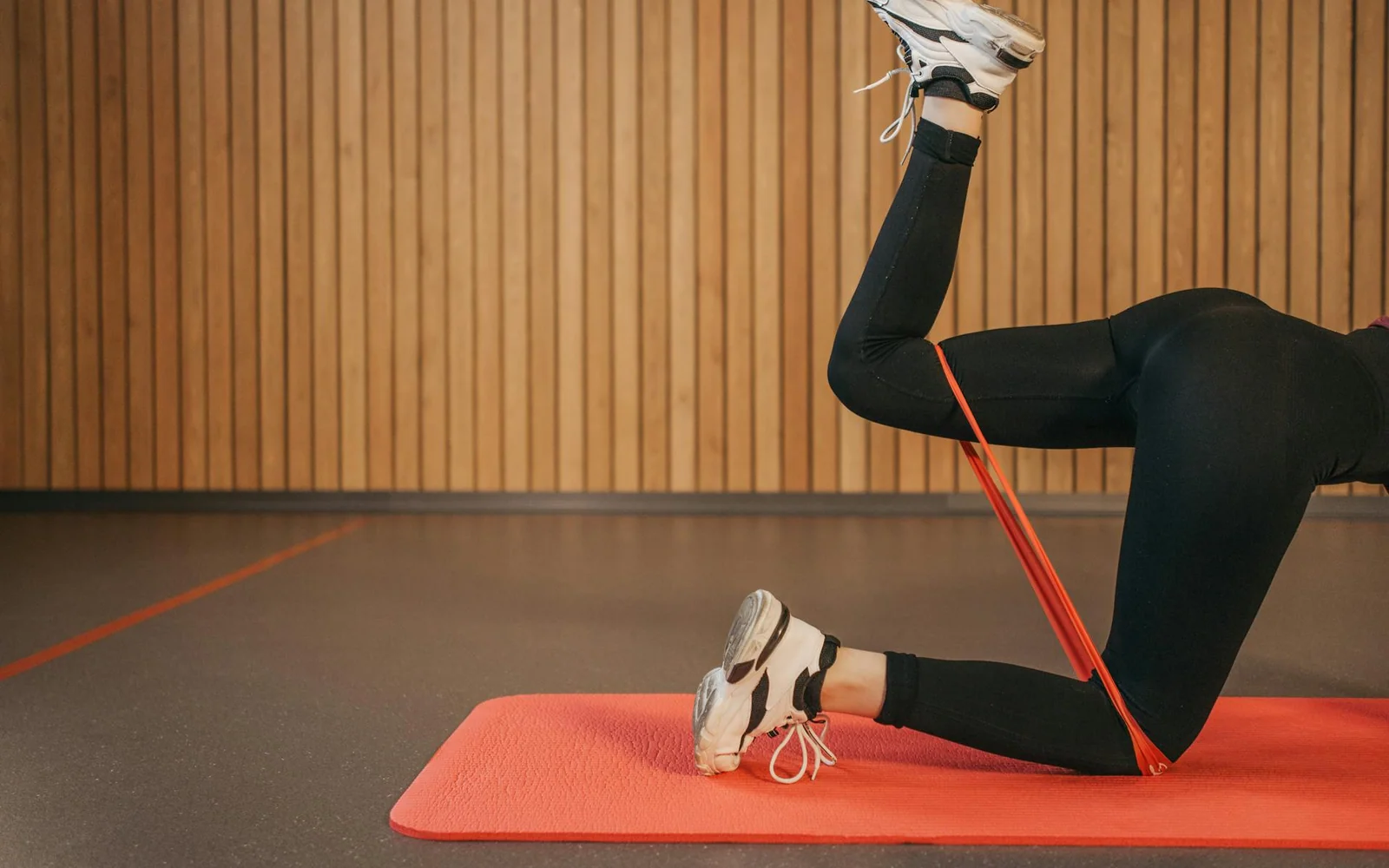
You need almost nothing to start HIIT. A clear 6×6 ft floor space and athletic shoes will cover most beginner workouts. As you advance, resistance bands are one of the best low-cost additions — they let you add progressive overload to bodyweight moves like glute bridges, lateral walks, and banded squats without loading your joints.
Amazon · Affiliate
Fit Simplify Resistance Loop Bands (5-Pack)
4.7
Premium latex resistance bands for all fitness levels. Perfect for home workouts, stretching, and rehab.
$10–$15Check Price on Amazon
Safety checklist before your first session:
- Warm up for 5 minutes (march in place, arm circles, leg swings)
- Start with the lowest work-to-rest ratio (20 sec on / 40 sec off)
- If you feel dizzy or sharp pain — stop immediately
- Allow at least one full rest day between HIIT sessions
- Consult a doctor if you have any cardiovascular conditions
The 4-Week Beginner HIIT Plan
This plan runs 3 days per week with rest or light activity on off days. Each session is 20–25 minutes including warm-up and cool-down.
The LBE Beginner HIIT Progression Ladder
The four weeks follow a deliberate structure called the LBE Progression Ladder — Learn, Build, Evolve:
- Learn (Week 1): Master movement patterns at a generous rest ratio. Form always beats speed.
- Build (Week 2): Repeat the same circuit with a tighter ratio. Consistency creates the habit.
- Evolve (Week 3–4): Introduce new movement complexity, then raise intensity on familiar patterns.
This framework prevents the most common beginner mistake — jumping to hard variations before the foundational movements are automatic.
4-Week Schedule at a Glance
| Week | Days per Week | Work : Rest | Session Duration | Focus | |---|---|---|---|---| | 1 | 3 | 20 sec : 40 sec | ~18 min | Learn the movements | | 2 | 3 | 25 sec : 35 sec | ~20 min | Build consistency | | 3 | 3 | 30 sec : 30 sec | ~22 min | Add complexity | | 4 | 3 | 35 sec : 25 sec | ~25 min | Push your ceiling |
Week 1 — Learn the Movements (20 sec on / 40 sec off)
Exercises (repeat circuit 3×):
- Jumping jacks
- Bodyweight squats
- High knees (low impact: marching in place)
- Push-ups (on knees if needed)
- Mountain climbers (slow pace)
Session duration: ~18 minutes
Week 2 — Build Consistency (25 sec on / 35 sec off)
Same exercise list as Week 1. Focus on keeping good form even as you increase the work interval. Your heart rate should hit 75–85% of max by round 2.
Session duration: ~20 minutes
Week 3 — Add Complexity (30 sec on / 30 sec off)
Exercises (repeat circuit 3×):
- Jump squats (or bodyweight squats if joints are sensitive)
- Push-up to shoulder tap
- Lateral shuffle (4 steps each direction)
- Reverse lunges
- Plank hold
Session duration: ~22 minutes
Week 4 — Push Your Ceiling (35 sec on / 25 sec off)
Return to the Week 3 exercise list with the tighter work-to-rest ratio. By now, movements should feel familiar — this week is about raising intensity, not learning new patterns.
Session duration: ~25 minutes
Progression rule: If you can complete all rounds with good form and feel like you have "more in the tank," you're ready to either increase the work interval, add a 4th circuit, or swap in more demanding variations.
Pre-Workout Fuel
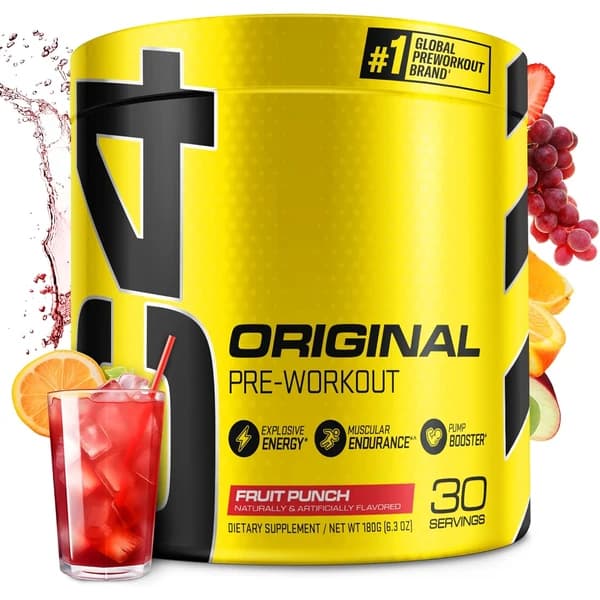
HIIT demands quick energy. Hitting a session fasted or on a light snack is fine for some people, but if you find your performance flagging — especially in weeks 3 and 4 — a pre-workout supplement can make a noticeable difference. Look for one with caffeine (for alertness and power output) and beta-alanine (for buffering lactic acid during high-intensity efforts).
Amazon · Affiliate
Cellucor C4 Original Pre-Workout
4.5
America's #1 pre-workout brand. Energy, focus, and pump to power through your toughest sessions.
$30–$45Check Price on Amazon
Take it 20–30 minutes before your session. For beginners, start with half a serving to gauge caffeine tolerance.
Recovery: The Missing Piece
Most beginners obsess over the workout and forget that adaptation happens during recovery. HIIT creates significant muscular stress — tight hip flexors, sore quads, and stiff calves are common in the first two weeks.
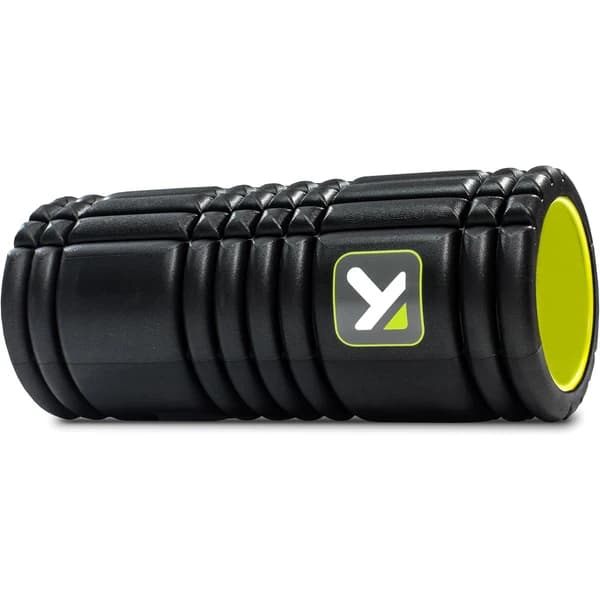
Foam rolling for 5–10 minutes post-session dramatically improves muscle recovery by increasing blood flow and breaking up myofascial adhesions. Target the quads, IT band, calves, and upper back. Studies show self-myofascial release can reduce delayed onset muscle soreness (DOMS) by up to 30%.
Amazon · Affiliate
TriggerPoint GRID Foam Roller
4.7
Multi-density foam roller for muscle recovery and myofascial release. Used by pro athletes.
$30–$40Check Price on Amazon
Beyond foam rolling: prioritize 7–9 hours of sleep, stay hydrated (aim for at least half your body weight in ounces of water daily), and eat enough protein (0.7–1g per pound of bodyweight) to support muscle repair.
Final Thoughts
A beginner HIIT workout plan is one of the most effective investments of your fitness time — but only if you execute it consistently and respect recovery. Start at Week 1 even if you think it sounds easy. Build the habit before you build the intensity.
After completing this 4-week block, you'll be ready to progress to intermediate HIIT programming with more complex movement patterns and shorter rest intervals. In the meantime, pair this plan with a solid nutrition strategy — check out our 7-Day Meal Plan for Weight Loss to see how diet and HIIT complement each other.
Stick to the plan. The results will follow.
Affiliate disclosure: Some links in this article are affiliate links. If you purchase through them, we may earn a small commission at no extra cost to you. We only recommend products we genuinely believe in.
About the author
Nathan reviews the research, tests the tools, and writes the guides at LeanBodyEngine — evidence-first, no sponsored content, no supplement shilling.
Related articles

Subscribe
Never miss a new article
Get an email whenever we publish a new fitness guide, supplement review, or workout plan. One short email per post — that's it.
Unsubscribe anytime. We only email when there's a new post.