
HIIT vs Steady-State Cardio: Which Burns More Fat?
The HIIT vs steady-state cardio debate explained with research. Find out which is better for fat loss, heart health, and your specific goals.
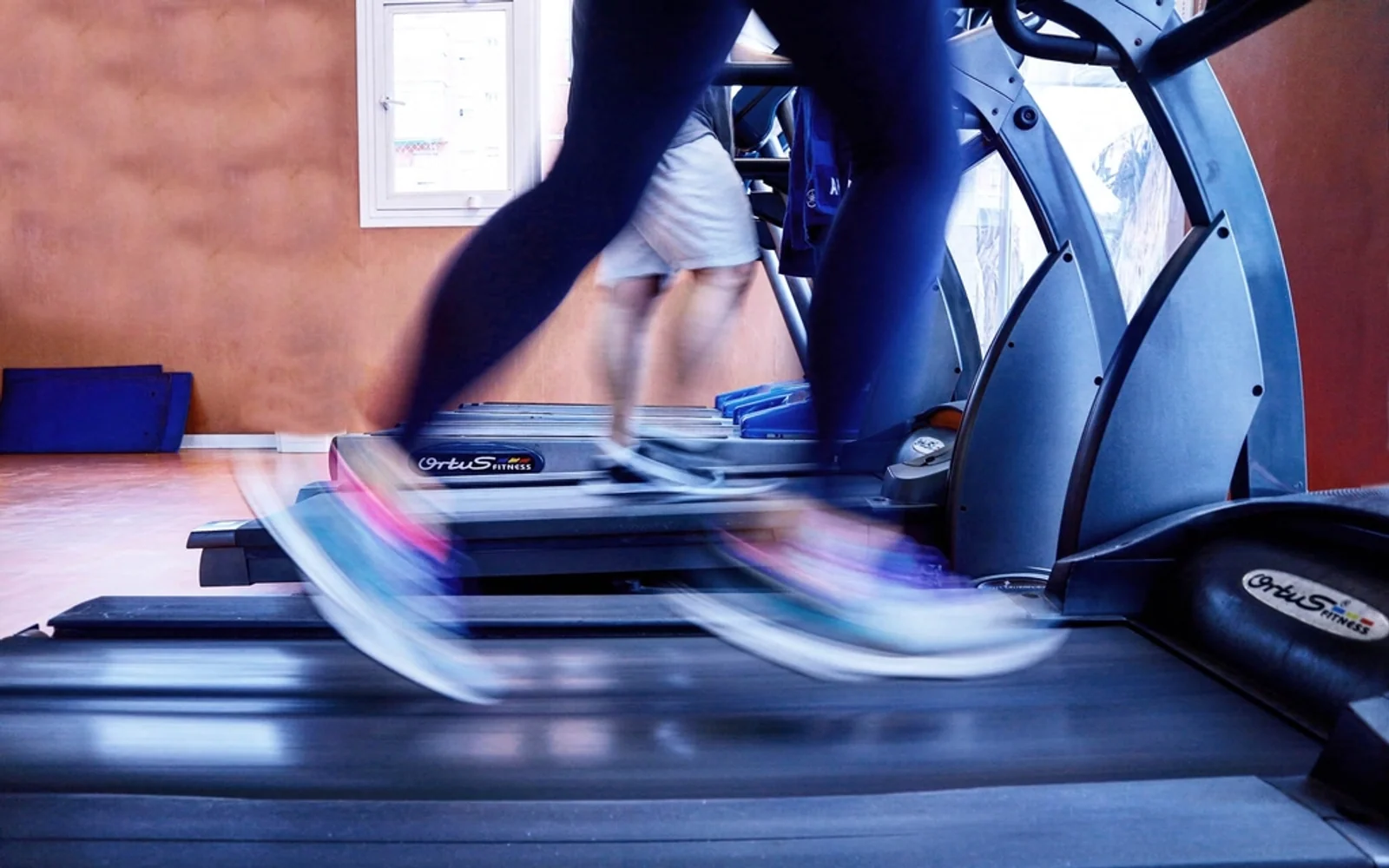
A 2017 meta-analysis in the British Journal of Sports Medicine found that HIIT produced 28.5% greater fat loss than moderate-intensity steady-state cardio — for the same time investment. That sounds like a slam-dunk case for HIIT. But buried in the same research: when total calorie burn was equated, the fat loss difference disappeared entirely. The "HIIT always wins" headline is one of the most repeated half-truths in fitness. The real answer depends entirely on your goal — and for at least two major ones, steady-state actually comes out ahead.
Key Takeaways
- HIIT produces 28.5% greater fat loss per minute of exercise, but not per calorie burned
- Steady-state cardio preserves more muscle mass in lifters doing 4+ sessions per week
- HIIT improves VO2max roughly 2x faster than LISS at equivalent weekly frequency
- EPOC from HIIT adds only 6–15% extra caloric expenditure — meaningful, but not magic
- Beginners have 2–3x higher injury risk with HIIT versus walking or moderate jogging
- A hybrid protocol (2x HIIT + 1–2x LISS per week) outperforms either method alone in 12-week trials
What Is HIIT?
High-intensity interval training alternates between short bursts of maximum effort and recovery periods. The defining characteristic is effort: true HIIT requires working at 85–95% of max heart rate during the work intervals.
Example HIIT protocol:
- 30 seconds sprint at 90%+ max effort
- 60 seconds slow walking/rest
- Repeat 8–10 times
- Total session: ~20 minutes

Amazon · Affiliate
WOD Nation Speed Jump Rope
4.6
Ball-bearing speed rope for HIIT and double-unders. Adjustable cable, lightweight aluminum handles. Burns 400+ calories per 30 min.
$10–$18Check Price on Amazon
What Is Steady-State Cardio (LISS)?
Steady-state cardio — often called LISS (Low-Intensity Steady State) — is continuous exercise at a consistent, moderate intensity. The target zone is 60–70% of max heart rate, where you can hold a conversation but still feel the effort.
Examples:
- 45-minute jog at a comfortable pace
- 60-minute bike ride
- 30-minute swim
- 45-minute brisk walk
Head-to-Head: The Research-Backed Comparison
| Factor | HIIT | LISS (Steady-State) | |---|---|---| | Fat loss (per minute) | Higher — 28.5% more vs LISS | Lower per minute | | Fat loss (per calorie) | Equal | Equal | | VO2max improvement | High — ~2x faster gains | Moderate — slower gains | | Muscle preservation | Better for most lifters | Risk of muscle loss at high frequency | | Time required | 15–25 min per session | 30–60 min per session | | Injury risk (beginners) | Elevated — 2–3x higher | Low | | Recovery demand | High — 48–72 hrs needed | Low — daily is fine | | Cortisol response | Spike, but short-lived | Chronically elevated at high volume | | Enjoyment/adherence | Lower for many | Higher for many |
Calories Burned: The Full Picture
During the Session
Steady-state cardio burns more total calories during the session because sessions run longer. A 45-minute jog at moderate pace will out-burn a 20-minute HIIT session in raw numbers.
After the Session: EPOC
HIIT wins here. High-intensity exercise creates Excess Post-Exercise Oxygen Consumption (EPOC) — your body continues burning calories at an elevated rate for up to 24 hours post-workout as it restores oxygen levels, clears lactate, and repairs tissue.
Studies put HIIT's EPOC advantage at 6–15% greater total caloric expenditure when factored in. Real, but not the metabolic miracle it's often marketed as.
The Net Result
Both burn similar total calories over a 24-hour period. HIIT just compresses that expenditure into less time. If you have 45 minutes for cardio, a 45-minute moderate jog will likely match or exceed a 20-minute HIIT session in total burn.
The Contrarian Take: Steady-State Wins for Muscle Retention
The fitness internet has declared HIIT the superior choice for people who also lift weights. The reasoning: shorter sessions mean less cortisol, less interference with hypertrophy. That part is true — in moderation.
But here's what gets missed: high-frequency HIIT (4+ sessions per week) spikes cortisol more aggressively than the same frequency of LISS. For a lifter already training 4 days a week, adding 3–4 HIIT sessions creates a cortisol environment that actively blunts muscle protein synthesis. LISS at the same frequency does not.
Research on concurrent training (lifting + cardio combined programs) consistently shows that low-to-moderate intensity steady-state causes less interference with strength and muscle gain than matched-frequency HIIT. If muscle preservation is your primary concern, LISS 3–4x per week is the safer choice. HIIT 2x per week is the sweet spot — beyond that, you're trading muscle for "efficiency."
Cardiovascular Health
Both modalities improve VO2max, resting heart rate, blood pressure, and cardiac output. The difference is speed of adaptation:
- HIIT produces VO2max gains roughly twice as fast as LISS at equivalent training frequency. If you want to improve your aerobic capacity fast, HIIT is the tool.
- LISS provides sustained, prolonged cardiovascular stress that builds aerobic base more thoroughly. Endurance athletes — runners, cyclists, triathletes — need LISS as their primary volume driver. HIIT supplements it.
Amazon · Affiliate
Fitbit Charge 6 Fitness Tracker
4.4
Built-in GPS, heart rate monitoring, sleep tracking, and 40+ exercise modes. Google Maps and Wallet integration.
$100–$160Check Price on Amazon
Recovery Demands
Steady-state: Low recovery demand. You can do it daily without accumulated fatigue. Active recovery walks after leg day? LISS. Morning cardio before a training session? LISS.
HIIT: High recovery demand. 48–72 hours between sessions is the minimum for most people. Stacking HIIT on back-to-back days leads to performance decline, increased injury risk, and — ironically — reduced fat loss due to systemic fatigue.
The LBE Cardio Selection Matrix
This framework cuts through the noise. Match your primary limiting factor to your cardio prescription:
L — Limited Time Go HIIT. Two 20-minute sessions per week outperform one 60-minute LISS session for fat loss and VO2max improvement.
B — Building Endurance or a Cardio Base Go LISS. High volume, moderate intensity is how aerobic capacity is built. HIIT sharpens it; LISS builds it.
E — Everything at Once (muscle + fat loss simultaneously) Hybrid is mandatory. Two HIIT sessions deliver the metabolic stimulus; one or two LISS sessions provide the volume without compromising muscle recovery. This is the protocol most recreational lifters actually need.
Apply the matrix before selecting your cardio modality. If you can't identify your limiting factor, default to the hybrid — it's the most broadly effective approach.
Which Cardio Matches Your Goal?
| Your Goal | Best Choice | Reasoning | |---|---|---| | Maximum fat loss in minimum time | HIIT 2–3x/week | 28.5% better efficiency per minute | | Endurance event prep (5K, marathon, triathlon) | LISS primary + HIIT 1x/week | Aerobic base built through volume | | Muscle gain while staying lean | LISS 2–3x/week | Less cortisol interference with hypertrophy | | General health and heart health | Either — pick what you enjoy | Adherence outweighs modality differences | | Beginner with no cardio base | LISS to start | Injury risk from HIIT is 2–3x higher without a base | | Lifter wanting body recomp | Hybrid: 2x HIIT + 1x LISS | Metabolic stimulus without recovery cost | | Daily active recovery | LISS only | HIIT requires 48+ hr recovery; daily is unsustainable |
Sample Weekly Cardio Plan (Hybrid)
| Day | Session | Notes | |---|---|---| | Monday | HIIT — 20 min sprint intervals | After strength or standalone | | Wednesday | LISS — 40 min moderate jog | Active recovery pace | | Friday | HIIT — 20 min bike or jump rope intervals | Max effort on work sets | | Saturday | LISS — 45 min walk or easy bike | Optional; promotes blood flow |
Final Thoughts
The honest answer to "HIIT vs steady-state" is that the question is usually wrong. The better question is: what are you trying to accomplish, and how much recovery capacity do you have?
HIIT is the winner for time-crunched individuals, people prioritizing VO2max gains, and athletes needing to maintain cardiovascular fitness without high volume. It is not the winner for beginners, for anyone already maxing out their recovery, or for lifters trying to preserve muscle across a high-frequency training week.
Steady-state is not the boring consolation prize. It builds aerobic base faster than HIIT can at matched volumes, it stacks daily without recovery cost, and it preserves muscle better when programmed at higher frequencies. If you're running four lifting days and want to add cardio, LISS is likely the smarter choice — not HIIT.
For most people reading this: run the hybrid. Two HIIT sessions and one or two LISS sessions per week. You get the metabolic advantages of intervals and the volume benefits of steady-state without blowing up your recovery. Adjust the ratio based on your goals — more HIIT when fat loss is the priority, more LISS when you're building a base or training hard in the gym.
The best cardio is always the one you'll actually do. But if you're going to be strategic about it, the hybrid protocol gives you the fewest tradeoffs.
Affiliate disclosure: Some links in this article are affiliate links. If you purchase through them, we may earn a small commission at no extra cost to you. We only recommend products we genuinely believe in.
About the author
Nathan reviews the research, tests the tools, and writes the guides at LeanBodyEngine — evidence-first, no sponsored content, no supplement shilling.
Related articles
Subscribe
Never miss a new article
Get an email whenever we publish a new fitness guide, supplement review, or workout plan. One short email per post — that's it.
Unsubscribe anytime. We only email when there's a new post.