
Best Pre-Workout Supplements Ranked (2025)
We reviewed the top pre-workout supplements for energy, pump, and focus. See which formulas are clinically dosed and worth your money.
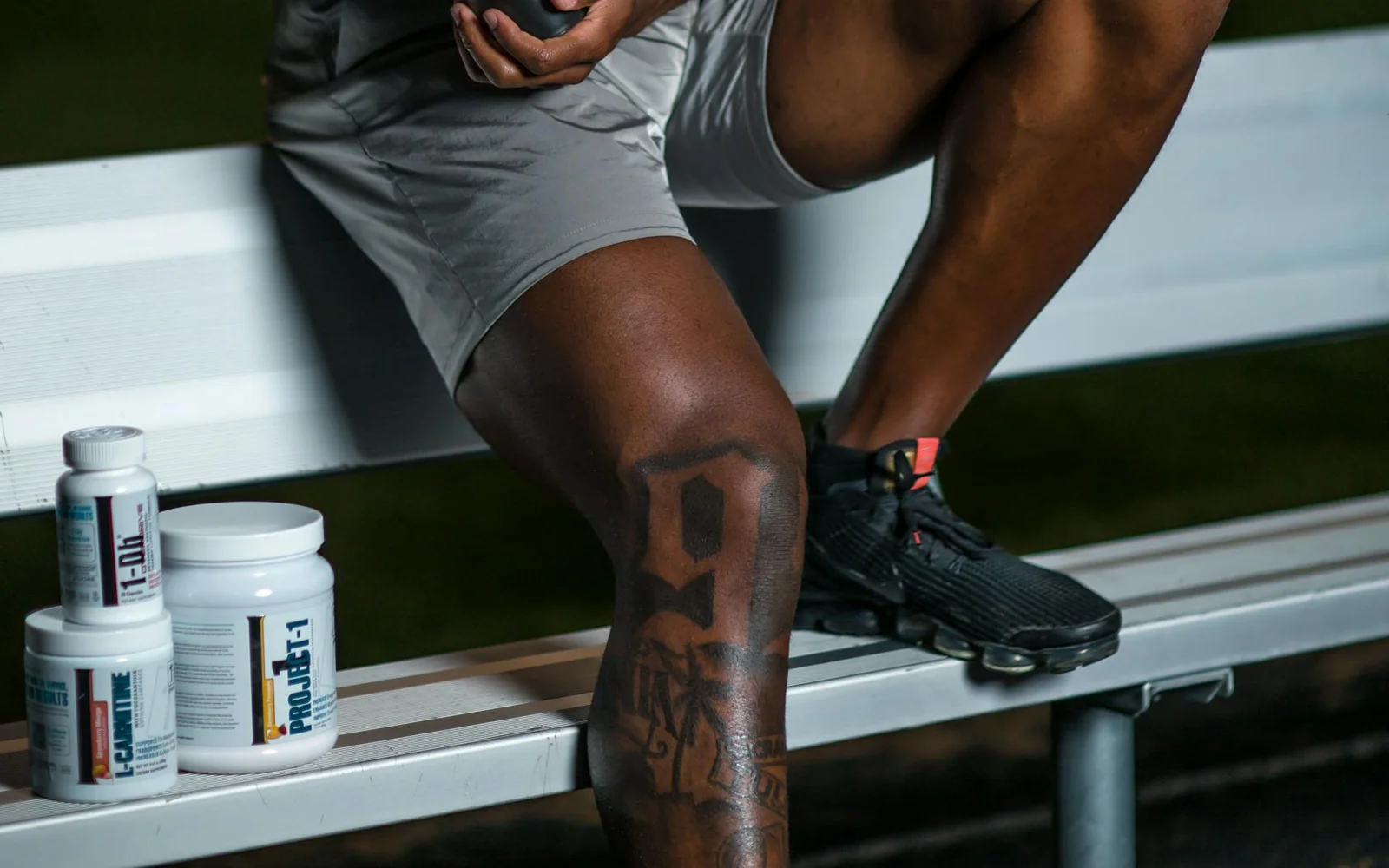
Pre-workout supplements can meaningfully improve your training sessions — but only if they're well-formulated. Most products on the market are underdosed, overhyped, or loaded with ineffective ingredients. Here's what actually works.
Key Takeaways
- Caffeine at 150–300 mg is the most evidence-backed pre-workout ingredient; doses above 400 mg deliver diminishing returns and increase anxiety risk
- Citrulline malate requires at least 6 g to meaningfully improve blood flow and reduce muscular fatigue — most budget tubs contain 2–4 g
- Beta-alanine's tingling (paresthesia) is harmless and indicates active dosing; the effective threshold is 3.2 g per session
- L-theanine at a 1:2 ratio with caffeine smooths stimulant energy and reduces jitter — a pairing almost no budget brand includes
- Proprietary blends are a red flag: if you cannot see individual ingredient amounts, assume underdosing
- Timing your pre-workout matters far less than the ingredients inside it — the 20-to-30-minute window is a guideline, not a rule
What Makes a Good Pre-Workout?
A quality pre-workout should contain ingredients with clinical dosing and transparent labeling. The table below shows what evidence-based dosing actually looks like — and the side-effect profile you should expect at those doses.
The LBE Pre-Workout Stack Hierarchy
LBE stands for Load, Buffer, Extend — a framework for ranking pre-workout ingredients by the quality and consistency of their evidence:
- Load (Tier 1 — strong, direct evidence): Caffeine, Citrulline Malate, Creatine Monohydrate
- Buffer (Tier 2 — solid evidence, mechanism-dependent): Beta-Alanine, L-Theanine
- Extend (Tier 3 — supporting or emerging evidence): Betaine, Electrolytes, B-Vitamins
When evaluating a product, count how many Tier 1 ingredients are present at clinical doses. If none are, skip it regardless of marketing claims.
Pre-Workout Ingredient Comparison
| Ingredient | Effective Dose | Mechanism | Evidence Grade | Side Effects | |---|---|---|---|---| | Caffeine | 150–300 mg | Adenosine receptor antagonist — blocks fatigue signals | A | Jitters, elevated HR, sleep disruption above 400 mg | | Citrulline Malate | 6–8 g | Increases arginine/nitric oxide → vasodilation and pump | A | Minimal; GI upset at very high doses | | Beta-Alanine | 3.2 g | Carnosine precursor — buffers lactic acid in muscle | B+ | Harmless tingling (paresthesia) | | L-Theanine | 100–200 mg | Modulates glutamate receptors; smooths caffeine curve | B+ | None at standard doses | | Creatine Monohydrate | 3–5 g | Replenishes PCr stores — increases ATP availability | A | Minor water retention; loading phase optional |
The Contrarian Take: Most Pre-Workout Blends Are Underdosed — Here's the Math
Pick up any mid-tier pre-workout and flip it over. The label will probably list citrulline at "2,000 mg" and beta-alanine at "1,600 mg." Both sound substantial until you check the clinical research:
- Citrulline malate requires a minimum of 6,000 mg (6 g) for a statistically significant reduction in muscular fatigue. A 2,000 mg dose is 33% of the effective threshold.
- Beta-alanine must reach 3,200 mg per session to meaningfully elevate muscle carnosine levels over time. A 1,600 mg dose produces the tingling sensation — giving the impression of "working" — while delivering roughly half the active compound you actually need.
The product still feels like something because caffeine is almost always properly dosed (it's cheap and its effects are immediately obvious to consumers). The remaining ingredients are window dressing at those amounts.
The takeaway: judge a pre-workout by its citrulline and beta-alanine dosages first. If both are at clinical threshold, the rest of the label is likely honest too.
Our Top Pre-Workout Picks
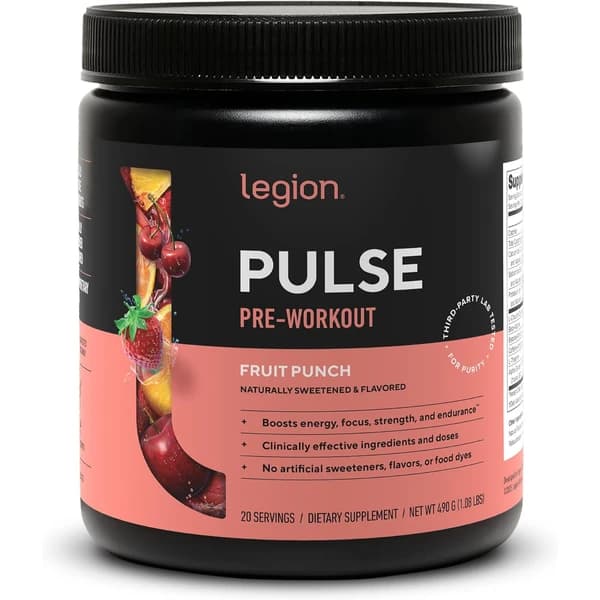
Best Overall: Legion Pulse
Legion Pulse is one of the few pre-workouts that is actually clinically dosed. 350 mg caffeine from two sources, 8 g citrulline malate, 3.6 g beta-alanine, and 350 mg L-theanine. Naturally sweetened with stevia and free of artificial dyes. Every ingredient hits or exceeds its effective dose — rare at any price point.
Amazon · Affiliate
Legion Pulse Pre-Workout
4.7
Clinically dosed, naturally sweetened pre-workout. No artificial dyes. 350mg caffeine from two sources.
$45–$50Check Price on Amazon
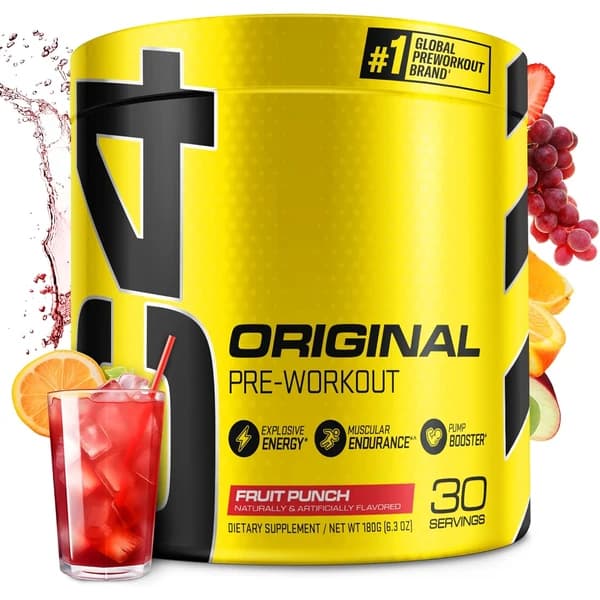
Best Budget Pick: Cellucor C4 Original
America's best-selling pre-workout for a reason. While not as heavily dosed as Pulse, C4 delivers reliable energy and focus at an accessible price. If you are new to pre-workouts and want to test your caffeine tolerance before committing to a full clinical-dose formula, C4 is a sensible entry point.
Amazon · Affiliate
Cellucor C4 Original Pre-Workout
4.5
America's #1 pre-workout brand. Energy, focus, and pump to power through your toughest sessions.
$30–$45Check Price on Amazon
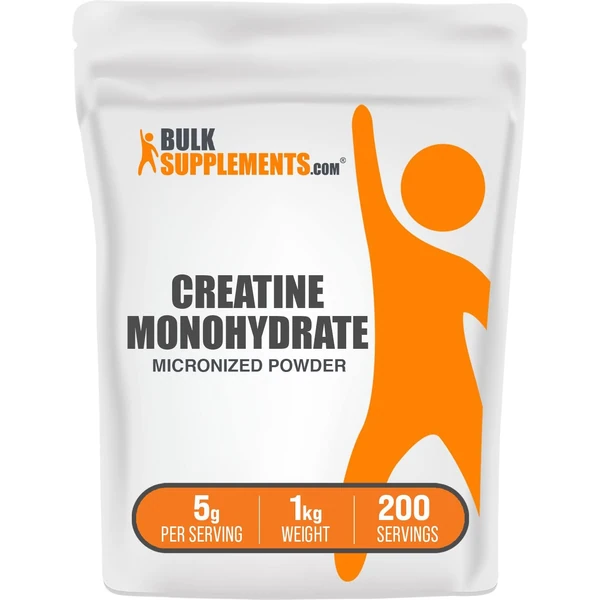
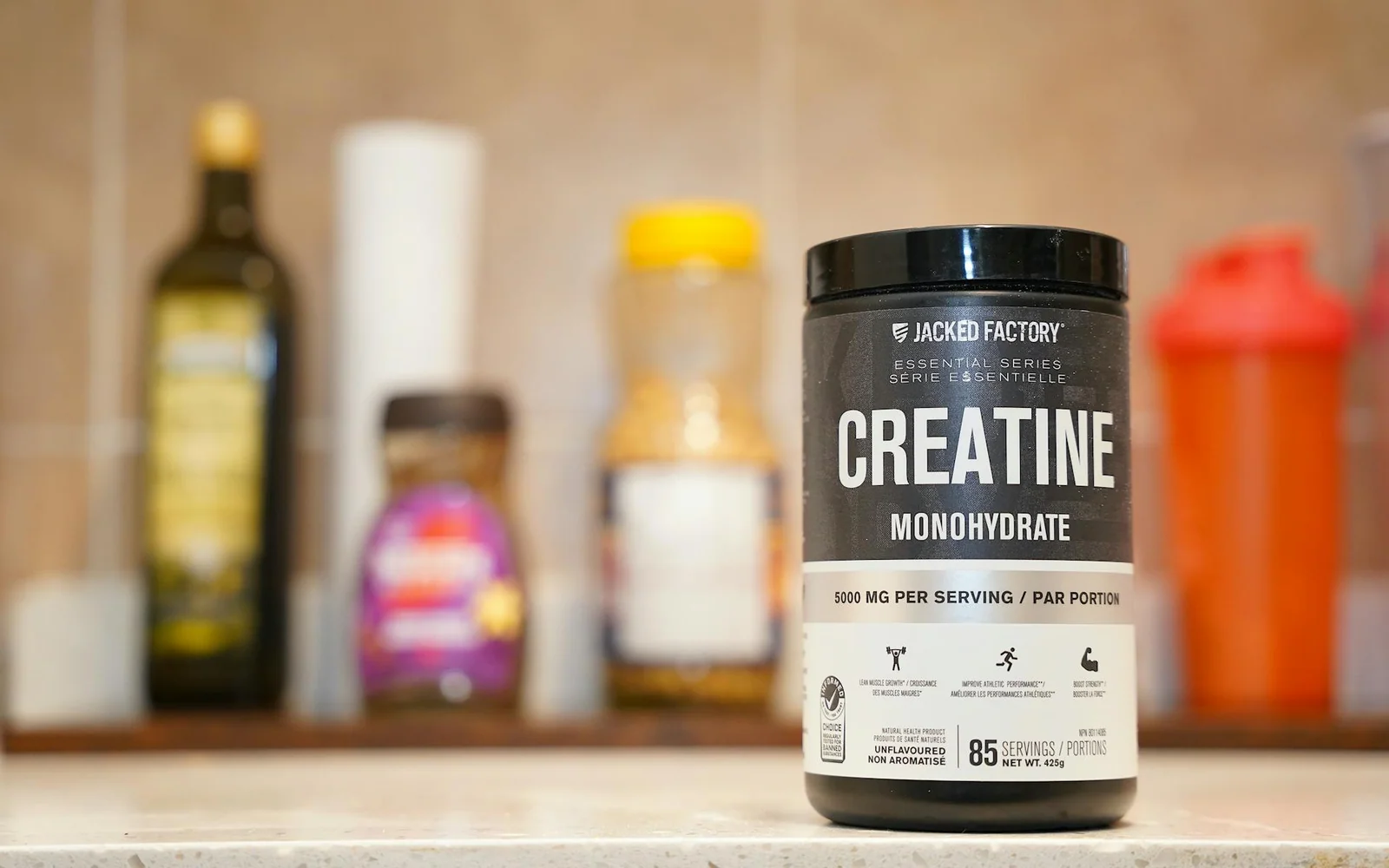
Best Add-On: Creatine Monohydrate
If your pre-workout does not include 3–5 g of creatine (most don't), adding standalone creatine monohydrate is the single highest-ROI supplement decision you can make. It is the most studied performance supplement in existence, costs almost nothing per serving, and requires no timing precision.
Amazon · Affiliate
BulkSupplements Creatine Monohydrate
4.7
Pure micronized creatine monohydrate. No fillers, no additives. Lab-tested for purity.
$20–$40Check Price on Amazon
Which Pre-Workout for Your Goal
| Goal | Best Ingredient Priority | Product Recommendation | Notes | |---|---|---|---| | Maximum strength output | Creatine, Caffeine, Citrulline | Legion Pulse + standalone creatine | Caffeine acutely increases 1RM; creatine builds it over weeks | | Muscular endurance / HIIT | Beta-Alanine, Citrulline, Caffeine | Legion Pulse | Beta-alanine is most impactful for repeated-effort work | | Pump / aesthetics (training for look) | Citrulline (8 g+), no stims required | Stim-free citrulline stack | High citrulline without caffeine avoids vasoconstriction | | Evening training / sleep-sensitive | Citrulline, Beta-Alanine, Betaine | Stim-free formula or half-dose C4 | Cut caffeine entirely if training within 6 hours of sleep | | First-time user / low caffeine tolerance | Low caffeine, L-Theanine | Cellucor C4 (half serving to start) | Assess tolerance before moving to high-caffeine products | | Budget-constrained | Caffeine + DIY stack | Black coffee + creatine monohydrate | Covers Tier 1 bases for under $0.50 per session |
Pre-Workout Ingredients to Avoid
- Proprietary blends — you cannot verify if ingredients are properly dosed
- DMAA/DMHA — stimulants with serious cardiovascular risks; banned by the FDA
- Excessive caffeine (>400 mg) — diminishing returns and anxiety at high doses
- Artificial dyes — no performance benefit, potential health concerns
- Synephrine in combination with high caffeine — elevated cardiovascular strain with no meaningful additional benefit
How to Use Pre-Workout Effectively
- Start with half a serving to assess your caffeine tolerance
- Take 20–30 minutes before training — allows ingredients to absorb, though the window is flexible
- Cycle off every 6–8 weeks to prevent caffeine tolerance buildup
- Avoid taking after 3 pm if you train in the evening — disrupts sleep architecture
- Do not rely on it every session — train some days without it to preserve sensitivity
Pre-Workout Alternatives
If you prefer to avoid heavy stimulant products:
- Black coffee — 100–200 mg caffeine, cheap, proven, and includes antioxidants
- Creatine alone — no stimulants, consistent performance gains across weeks of use
- Citrulline + caffeine stack — build your own minimal formula for half the cost of most branded products
The Stimulant-Free Option
If you work out in the evening or are caffeine-sensitive, look for stim-free pre-workouts containing only citrulline, beta-alanine, and betaine. They deliver the pump and endurance benefits without the sleep disruption. Many serious athletes use a stim-free formula exclusively and reserve caffeine for competition days when its acute performance effect is most valuable.
Final Thoughts
Most pre-workout marketing is theater. The ingredient that actually moves performance — caffeine — is present in every product because it is cheap and its effect is undeniable. The ingredients that separate good products from great ones (full-dose citrulline, clinical beta-alanine, L-theanine) are the ones that get skimped on because they are expensive and their effects accumulate over weeks rather than the first rep.
For most people, Legion Pulse is the best all-in-one pre-workout available. The dosing is honest, the label is transparent, and the formula covers all three tiers of the LBE hierarchy. If budget is the constraint, Cellucor C4 still delivers reliable energy at a lower price — just know you are trading dose for cost. And if you want to keep things genuinely simple: black coffee thirty minutes before your session, and a daily 5 g of creatine monohydrate. That covers the two highest-evidence interventions in existence for under a dollar per workout.
Everything else is negotiable.
Affiliate disclosure: Some links in this article are affiliate links. If you purchase through them, we may earn a small commission at no extra cost to you. We only recommend products we genuinely believe in.
About the author
Nathan reviews the research, tests the tools, and writes the guides at LeanBodyEngine — evidence-first, no sponsored content, no supplement shilling.
Related articles

Subscribe
Never miss a new article
Get an email whenever we publish a new fitness guide, supplement review, or workout plan. One short email per post — that's it.
Unsubscribe anytime. We only email when there's a new post.