
Best Protein Powders of 2025: Tested & Reviewed
We ranked the top protein powders of 2025 by taste, mixability, protein quality, and value. Find the best whey, plant-based, and casein options.
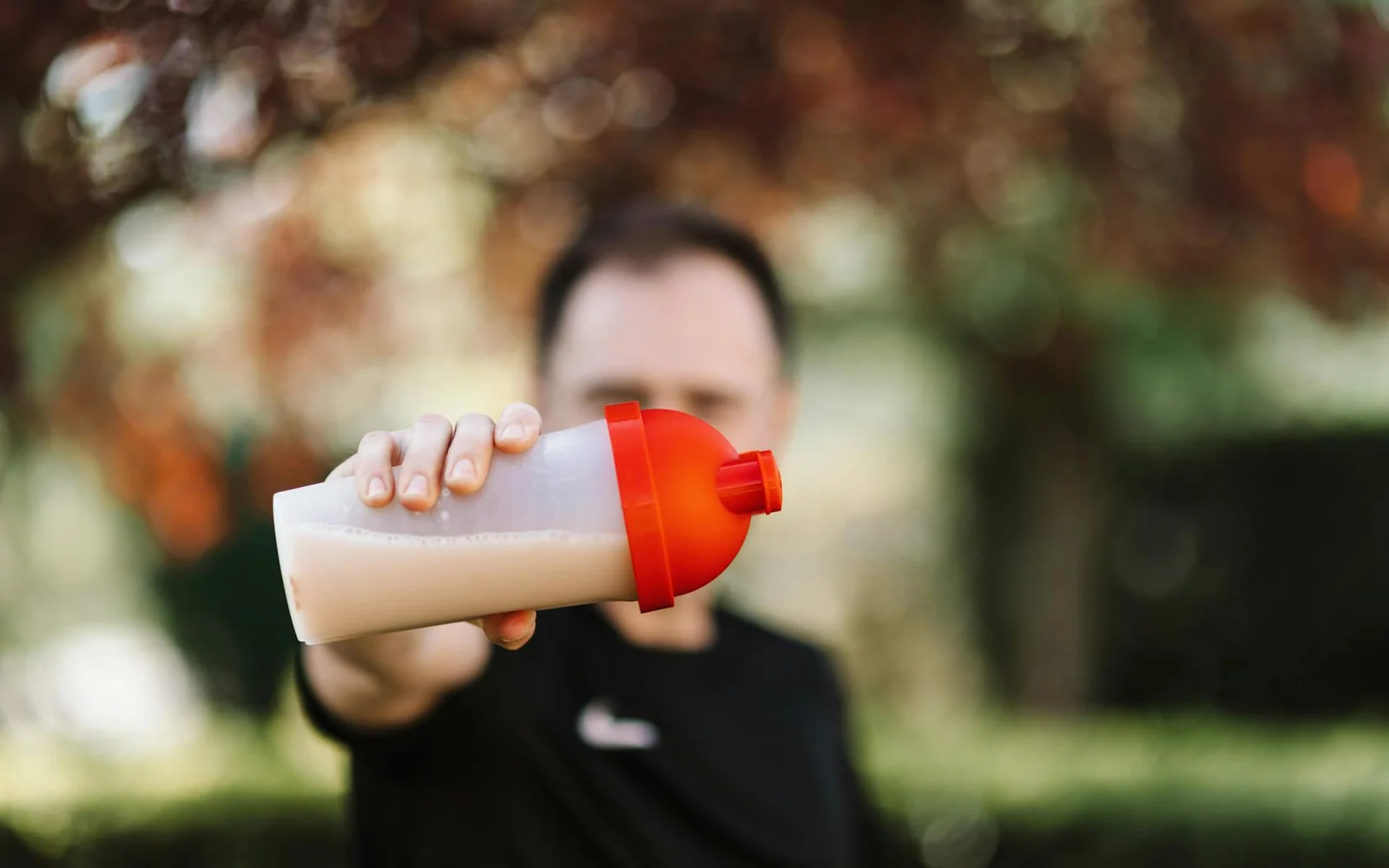
Protein powder is one of the most-used supplements for a reason — it's convenient, effective, and well-studied. But with hundreds of options on the market, choosing the right one is overwhelming. We've done the research so you don't have to.
Key Takeaways
- Aim for 0.7–1.0 g of protein per pound of bodyweight daily — a 160 lb person needs 112–160 g
- Whey absorbs in 1–2 hours; casein takes 5–7 hours; plant blends fall in the 2–3 hour range
- Whey concentrate typically costs $0.03–0.05 per gram of protein; isolate runs $0.05–0.08; quality plant blends often reach $0.07–0.10
- To match whey's leucine content per serving, plant protein users need roughly 10–15% more total protein — about 25–28 g versus whey's 24 g
- The post-workout anabolic window is real but wide — muscle protein synthesis stays elevated for up to 2 hours after training
- A single shake maxes out muscle protein synthesis at ~20–40 g; anything beyond that is oxidized, not muscle
What to Look For in a Protein Powder
Before buying, consider:
- Protein per serving — aim for 20–30 g
- Leucine content — drives muscle protein synthesis; whey naturally delivers ~2.5 g leucine per 25 g serving
- Ingredients — avoid excessive fillers and artificial sweeteners
- Taste and mixability — you have to actually drink it
- Price per serving — calculate cost per gram of protein, not per scoop
Types of Protein Powder Explained
Understanding the differences between protein types will help you make a smarter purchase than 90% of buyers.
| Type | Protein % per serving | Absorption speed | Best for | Price tier | |---|---|---|---|---| | Whey Concentrate | 70–80% | Fast (~1–2 hr) | General muscle building, post-workout | $ (budget-friendly) | | Whey Isolate | 85–95% | Fast (~1 hr) | Lactose sensitivity, lean macros | $$ (mid-range) | | Casein | 75–85% | Slow (5–7 hr) | Overnight recovery, appetite control | $$ (mid-range) | | Pea + Rice Blend | 75–85% | Moderate (~2–3 hr) | Dairy-free, vegan athletes | $$–$$$ (mid to premium) | | Hemp | ~50% | Moderate | Omega-3s + protein, whole-food preference | $$$ (premium) |
Whey Concentrate
The most common and affordable form. Contains some lactose and fat. Great for post-workout nutrition at a price that lets you stay consistent without budget strain.
Whey Isolate
Further filtered to remove most lactose and fat. Higher protein percentage per serving. Better for lactose-sensitive individuals or those tracking macros tightly.
Casein
Digests slowly — ideal for a nighttime protein source to fuel overnight muscle repair. Also useful as a between-meal option to suppress appetite and sustain amino acid delivery.
Plant-Based
Pea, rice, and hemp blends for those avoiding dairy. A single-source plant protein (pea alone, rice alone) is incomplete — it will lack adequate levels of certain essential amino acids. Always choose a blended plant protein for a full amino acid profile.
Top Picks for 2025
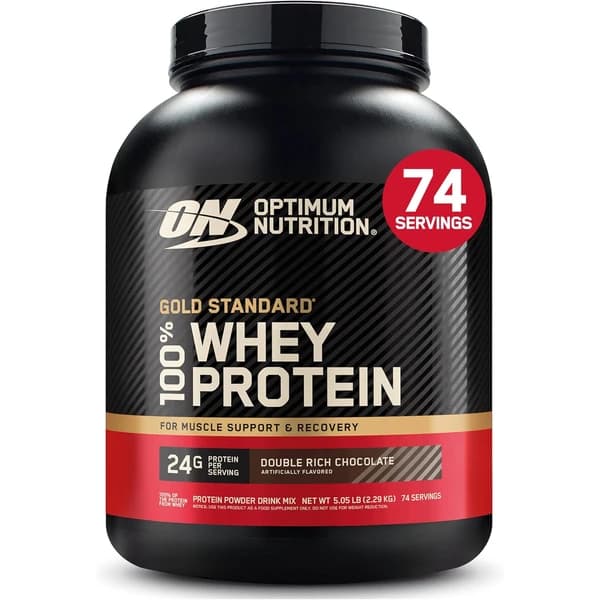
Best Overall: Optimum Nutrition Gold Standard Whey
The gold standard for a reason. With 24 g of protein, ~2.5 g of leucine, excellent mixability, and a proven two-decade track record, this is the safest bet for most people regardless of training level.
Amazon · Affiliate
Optimum Nutrition Gold Standard 100% Whey
4.8
The world's best-selling whey protein powder. 24g protein per serving, low sugar, mixes easily.
$30–$60Check Price on Amazon
Best Budget: MyProtein Impact Whey
Outstanding value without sacrificing quality. 21 g protein per serving at a lower cost-per-gram than most premium brands — ideal for anyone buying in bulk or just starting out.
Amazon · Affiliate
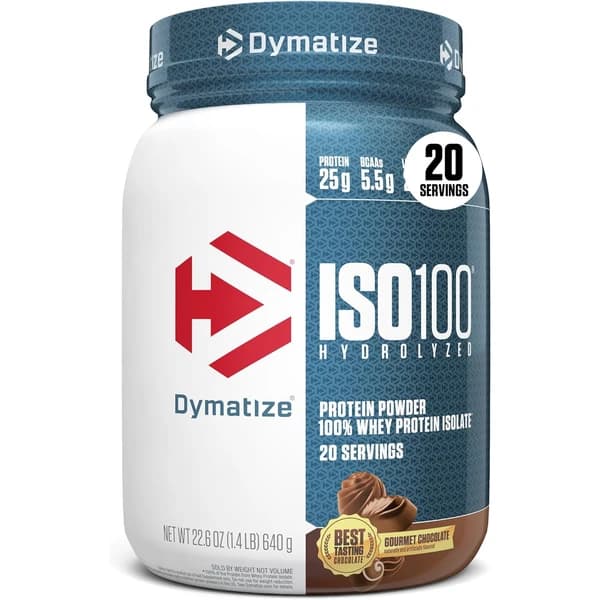
Dymatize ISO100 Whey Protein Isolate
4.7
Fast-absorbing whey isolate with 25g protein and under 1g of fat and sugar per serving. Great for post-workout.
$35–$60Check Price on Amazon
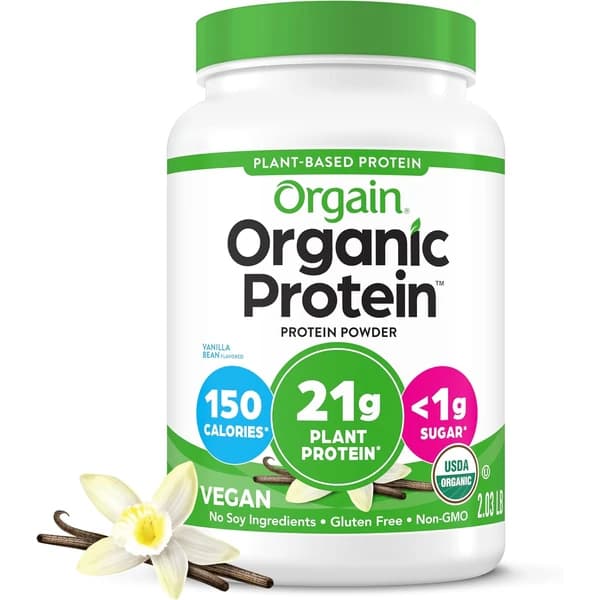
Best Plant-Based: Orgain Organic Protein
A pea + brown rice + chia blend that delivers a complete amino acid profile without dairy. Clean ingredient list, no artificial sweeteners, and genuinely palatable — rare in the plant-protein category.
Amazon · Affiliate
Orgain Organic Protein Powder (Plant-Based)
4.5
21g of organic plant protein per serving. Dairy-free, soy-free, non-GMO. Great for vegans and those with lactose intolerance.
$20–$35Check Price on Amazon
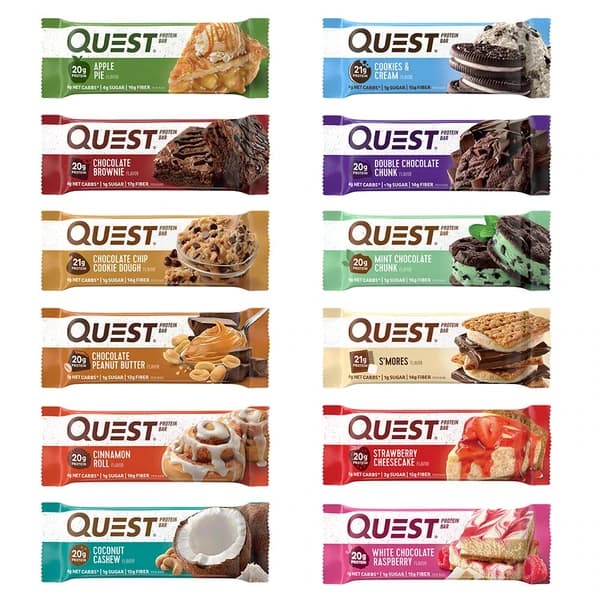
Best On-the-Go: Quest Protein Bars
When you can't make a shake, Quest bars deliver 20–21 g of protein with a macros profile close to a powder serving. Useful for travel, desk drawers, and late-office situations.
Amazon · Affiliate
Quest Nutrition Protein Bars (12-Pack)
4.6
20–21g protein, low net carbs, and high fiber. A convenient on-the-go snack that fits most diet plans.
$20–$30Check Price on Amazon
The LBE Protein Powder Selection Framework
Most buyers overthink protein powder. This three-tier framework cuts through the noise by matching your actual situation to the right product type.
Tier 1 — Leucine-First (Muscle Building Priority)
If your main goal is hypertrophy, choose a whey concentrate or isolate with at least 2.3 g of leucine per serving. Leucine is the primary trigger for muscle protein synthesis — it's the single most important amino acid metric on the label. Optimum Nutrition Gold Standard and MyProtein Impact Whey both meet this bar.
Tier 2 — Budget Ceiling (Cost-Per-Gram Discipline)
Calculate your cost per gram of protein, not per scoop. Divide the price of the container by total grams of protein inside. A good target: under $0.05/g for concentrate, under $0.08/g for isolate. Many premium-branded powders charge $0.10–0.15/g for no meaningful quality advantage.
Tier 3 — Elimination Filters (Dietary & Lifestyle Constraints)
Apply these last, after Tiers 1 and 2:
- Lactose intolerant → isolate or plant blend
- Vegan / dairy-free → pea + rice blend (not single-source)
- Convenience over shakes → protein bars as a supplement to, not replacement for, powder
- Nighttime recovery focus → casein, 30–40 g before bed
Work through all three tiers in order. Most people jump straight to Tier 3 and end up paying too much for a product that underdelivers on what actually matters.
How Much Protein Do You Actually Need?
Research suggests 0.7–1 g of protein per pound of bodyweight is optimal for muscle building. For a 160-pound person, that's 112–160 g of protein per day.
Protein powder should supplement your diet, not replace whole food sources. Prioritize chicken, eggs, fish, beef, and legumes first — these come with micronutrients and satiety that powder cannot replicate.
When to Take Protein Powder
- Post-workout — within 1–2 hours after training while muscle protein synthesis is elevated
- Morning — if your breakfast is low in protein (under 20 g), add a shake
- Between meals — to close the gap toward your daily target without a full meal
- Before bed — casein specifically, to sustain amino acid delivery through the overnight fast
The Contrarian Take: Plant Protein Is Not Inferior — But You Need More of It
The fitness world has long treated whey as the unambiguous king and plant protein as a consolation prize. The research tells a more nuanced story.
A 2019 study comparing whey and pea protein in resistance-trained men found no significant difference in muscle thickness gains after 12 weeks when total protein intake was equated. The key phrase: when total protein was equated.
The actual limitation of plant protein is leucine density, not quality per se. Whey concentrate delivers approximately 2.5 g of leucine per 25 g serving. A comparable pea protein serving delivers roughly 1.8–2.0 g of leucine — below the ~2.5 g threshold believed to maximally stimulate muscle protein synthesis.
The fix is straightforward: increase the serving size by 10–15%. Instead of 25 g of plant protein, take 28–30 g. This closes the leucine gap without requiring a different product.
Bottom line: if you're vegan or dairy-free, a quality pea + rice blend at a slightly larger serving size is just as effective as whey for muscle building. The inferior-protein narrative is outdated — it was based on studies that didn't equate leucine or total protein intake.
Quick-Reference: Protein Powder by Goal
| Goal | Best type | Serving size | Timing | |---|---|---|---| | Build muscle (general) | Whey concentrate | 25–30 g | Post-workout + any low-protein meal | | Lean bulk / strict macros | Whey isolate | 25–30 g | Post-workout | | Overnight recovery | Casein | 30–40 g | Before bed | | Vegan muscle building | Pea + rice blend | 28–35 g | Post-workout | | Weight loss / satiety | Casein or plant blend | 25–30 g | Between meals or before bed | | Convenience / travel | Protein bars | 1–2 bars | Any meal under 20 g protein |
Common Mistakes
- Relying only on powder — real food protein sources are more satiating and nutrient-dense; powder is a supplement, not a staple
- Taking too much per sitting — more than 40 g in one dose provides diminishing returns for muscle protein synthesis; spread intake across 3–4 meals
- Ignoring total daily intake — timing matters far less than consistently hitting your daily protein target
- Choosing by brand over label math — always check protein per serving, leucine content, and cost per gram before buying
Final Thoughts
Protein powder is one of the few supplements with genuine, well-replicated evidence behind it. But the market has become so crowded with premium-branded, overpriced options that most buyers end up paying more than they need to for marginal differences.
The fundamentals hold: hit 0.7–1.0 g of protein per pound of bodyweight daily, prioritize whole food sources, and use powder to fill the gaps. For most people, a quality whey concentrate — Optimum Nutrition Gold Standard or MyProtein Impact Whey — covers every scenario at a price that won't punish your grocery budget.
If you're dairy-free, a pea + rice blend like Orgain at a slightly larger serving size is not a compromise — it's a legitimate alternative. And if convenience is your bottleneck, keep a box of Quest bars on hand for the meals where a shake isn't realistic.
The best protein powder is the one you actually use consistently. Everything else is detail.
Affiliate disclosure: Some links in this article are affiliate links. If you purchase through them, we may earn a small commission at no extra cost to you. We only recommend products we genuinely believe in.
Frequently asked
Questions people ask about this
How much protein per day do I need to build muscle?
Research suggests 0.7–1.0 g of protein per pound of bodyweight daily for building muscle. For a 160-pound person, that's 112–160 g — ideally spread across 3–4 meals throughout the day rather than consumed in a single large dose.
When is the best time to take protein powder?
Post-workout (within 1–2 hours of training) is a popular choice because muscles are primed to absorb amino acids, but total daily protein intake matters far more than timing. Any meal that falls short of 20–30 g of protein is a good time to add a shake.
Is whey isolate better than whey concentrate?
Only if you're lactose-sensitive or want the leanest possible macros. Isolate is further filtered to remove most lactose and fat, giving a higher protein percentage per serving — but concentrate is cheaper and equally effective for muscle building in most users.
Can I take too much protein powder?
The main risk is diminishing returns, not harm. More than roughly 40 g in one sitting provides limited extra muscle-protein-synthesis benefit. Spread your intake across meals rather than loading a single large shake.
Are plant-based protein powders as effective as whey?
They can be, but choose carefully. Single-source plant proteins like pea or rice alone are incomplete in certain essential amino acids. Look for blended plant proteins — typically pea + rice + hemp — which together provide a complete amino acid profile comparable to whey.
Do I really need protein powder?
No. Protein powder is a convenience, not a requirement — whole-food sources like chicken, eggs, fish, beef, and legumes are more satiating and nutrient-dense. Powder is most useful when your diet falls short of daily targets or you need a quick post-workout option.
About the author
Nathan reviews the research, tests the tools, and writes the guides at LeanBodyEngine — evidence-first, no sponsored content, no supplement shilling.
Related articles

Subscribe
Never miss a new article
Get an email whenever we publish a new fitness guide, supplement review, or workout plan. One short email per post — that's it.
Unsubscribe anytime. We only email when there's a new post.