
Best Protein Powder for Muscle Gain: Top 5 Picks Compared (2026)
Cut through the noise: our top 5 protein powders for muscle gain in 2026, ranked by protein quality, value, and real-world results.
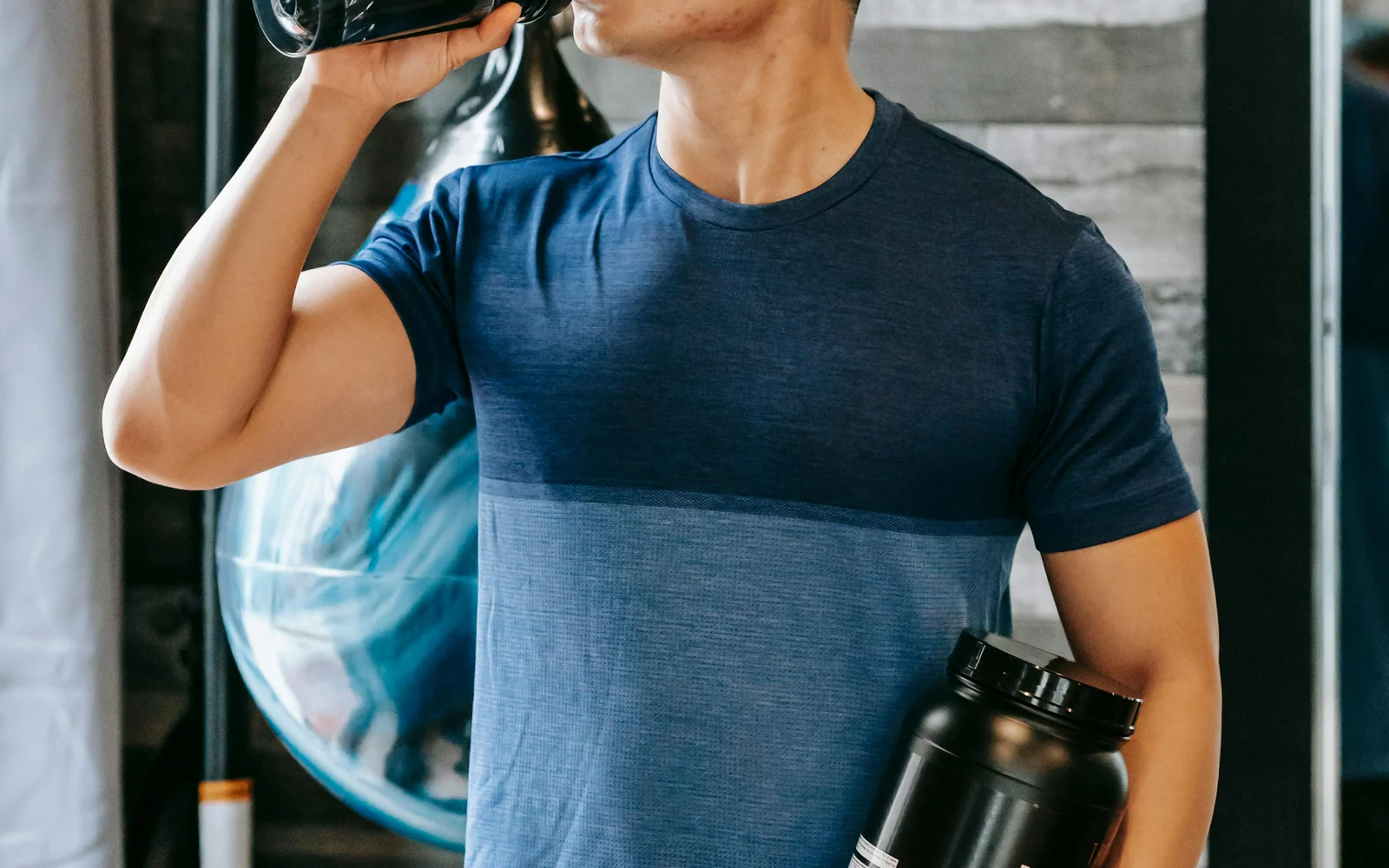
Walk down any supplement aisle — or open any supplement website — and you'll be hit with an avalanche of tubs, each claiming to be the "ultimate" protein powder for building muscle. The labels promise more mass, faster recovery, and a physique you've always wanted. For a beginner, it's genuinely overwhelming. Do you need whey isolate or concentrate? Is plant protein worth it? What about those protein bars everyone at the gym seems to carry?
This guide cuts through the noise. We tested and researched the best protein powders for muscle gain in 2026, ranked by what actually matters: protein per serving, amino acid quality, cost per gram of protein, mixability, taste, and real-world usability. You'll also learn exactly how much protein you need, when to take it, and the single best supplement you can stack with protein to accelerate your gains.
Key Takeaways
- Whey protein concentrate is the best all-around choice for most beginners — affordable, effective, and easy to use.
- Whey isolate is the upgrade pick for those who want faster absorption, lower fat, and near-zero lactose.
- Plant protein is a fully viable option for vegans and those with dairy intolerance — modern formulas close the gap with whey.
- Leucine content is the most important variable in a protein powder's muscle-building potential.
- Most beginners need 0.7–1g of protein per pound of bodyweight per day — a single daily shake is usually enough to fill the gap.
- Creatine + protein is the most evidence-backed supplement stack for beginners who want muscle and strength gains.
What to Look for in a Protein Powder
Before we rank the products, here's the short checklist every beginner should run against any protein powder label.
Protein Per Serving (and Per Dollar)
The headline metric on any tub is grams of protein per scoop. Most quality powders deliver 20–25g per serving. What matters more is the protein per dollar — divide the total grams of protein in the tub by the price. Cheaper products often have more fillers per scoop; premium isolates and organic formulas tend to cost more per gram.
Amino Acid Profile (Especially Leucine)
Not all protein is equal at the molecular level. Muscle protein synthesis is triggered primarily by leucine, one of the three branched-chain amino acids (BCAAs). Whey protein is naturally high in leucine (~10–11% of its amino acid profile), which is one reason it consistently outperforms other protein sources in muscle-building research. When comparing plant proteins, look for blends — pea + rice is the most effective combination because they complement each other's amino acid profiles.
Type of Protein
| Type | Best For | Lactose | Absorption | |------|----------|---------|------------| | Whey Concentrate | Most beginners, general use | Low-moderate | Fast | | Whey Isolate | Lean gains, lactose sensitivity | Very low | Very fast | | Casein | Before bed, slow-release | Low | Slow | | Plant (Pea/Rice) | Vegans, dairy-free | None | Moderate |
Mixability and Taste
A protein powder you hate drinking is a protein powder you won't take consistently. Consistency beats perfection every time. All five products on this list mix cleanly in a shaker with water or milk, with no chalky residue or clumping.
Third-Party Testing
Look for NSF Certified for Sport or Informed Sport certifications — these mean an independent lab has verified the label claims and screened for banned substances. For everyday gym-goers, this is a nice-to-have. For competitive athletes, it's non-negotiable.
Our Top 5 Protein Powders for Muscle Gain (2026)
Quick Comparison Table
| Product | Protein / Serving | Type | Cost / Serving (approx.) | Best For | |---------|------------------|------|--------------------------|----------| | ON Gold Standard | 24g | Whey Concentrate + Isolate Blend | ~$1.10–$1.30 | Best Overall | | Dymatize ISO100 | 25g | Whey Isolate | ~$1.50–$1.80 | Best Isolate / Lean Gains | | Orgain Organic | 21g | Plant (Pea + Brown Rice) | ~$0.80–$1.10 | Best Plant-Based / Budget | | Quest Protein Bars | 20–21g | Milk Protein Isolate | ~$2.00–$2.50 | Best Portable Option | | BulkSupplements Creatine | — | Creatine Monohydrate | ~$0.10–$0.20 | Best Stack Addition |
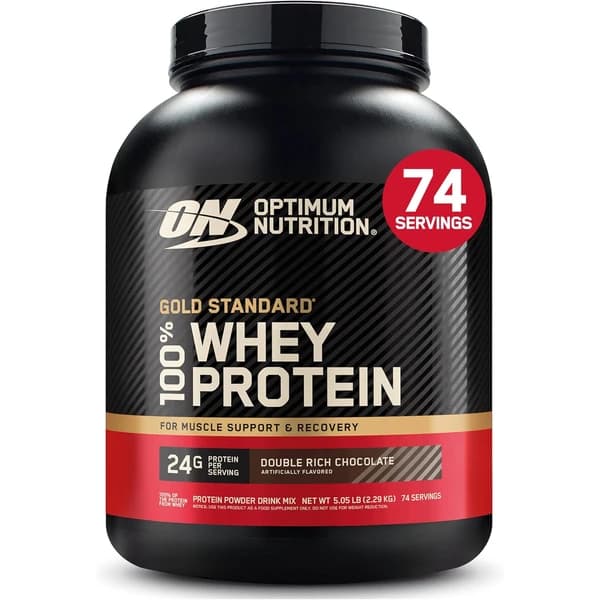
1. Optimum Nutrition Gold Standard 100% Whey — Best Overall
Amazon · Affiliate
Optimum Nutrition Gold Standard 100% Whey
4.8
The world's best-selling whey protein powder. 24g protein per serving, low sugar, mixes easily.
$30–$60Check Price on Amazon
Protein per serving: 24g Type: Whey Protein Blend (Isolate + Concentrate + Peptides) Price range: $30–$60 (2–5 lb tub) Rating: 4.8/5 — over 100,000 five-star reviews on Amazon
If there's one protein powder that the entire fitness world agrees on, it's ON Gold Standard. It has been the world's best-selling whey protein for nearly two decades, and the formula has barely changed because it doesn't need to. This is the benchmark every other product is measured against.
Each serving delivers 24g of protein from a blend of whey protein isolate (listed first, meaning it's the primary source), whey protein concentrate, and whey protein peptides. The isolate-first formula means you get fast absorption, a full amino acid profile, and a leucine content that reliably triggers muscle protein synthesis. It mixes easily — one scoop into a shaker bottle with 6–8oz of water or milk and you're done. No clumping, no chalky residue.
What's kept Gold Standard at the top for so long isn't just the formula — it's the consistency. Every batch delivers the same macros, the same flavor quality, and the same third-party tested purity. With more than 30 flavors, from Double Rich Chocolate to Birthday Cake, finding one you'll actually look forward to drinking is easy.
At roughly $1.10–$1.30 per serving (buying the 5lb tub), it's not the cheapest option per gram, but it's exceptional value for an isolate-blend formula at this quality level.
Pros:
- Whey isolate listed as the primary protein source
- 24g protein, 3g carbs, 1.5g fat per serving — very clean macros
- One of the most studied and trusted protein powders in existence
- 30+ flavors, widely available everywhere
- Third-party tested
Cons:
- Not suitable for those with dairy or lactose intolerance
- Not the cheapest per gram if you're purely cost-optimizing
Who it's best for: Beginners and intermediate lifters who want a reliable, well-formulated whey protein they can use for years. If you only ever buy one protein powder, this is the one.
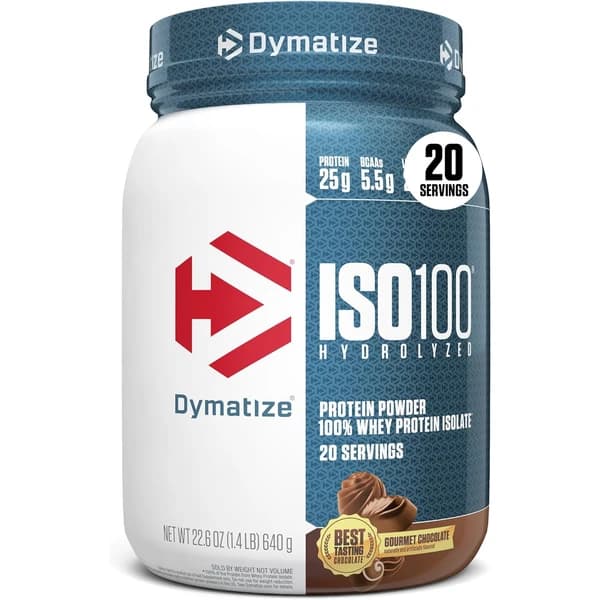
2. Dymatize ISO100 Whey Protein Isolate — Best Isolate / Best for Lean Gains
Amazon · Affiliate
Dymatize ISO100 Whey Protein Isolate
4.7
Fast-absorbing whey isolate with 25g protein and under 1g of fat and sugar per serving. Great for post-workout.
$35–$60Check Price on Amazon
Protein per serving: 25g Type: Hydrolyzed Whey Protein Isolate Price range: $35–$60 Rating: 4.7/5
If you want the cleanest possible protein powder with the fastest absorption and the least dietary "noise," ISO100 is the one. Dymatize uses hydrolyzed whey isolate — a form that's been pre-digested into smaller protein fragments for even faster uptake than standard isolate. The result is 25g of protein with under 1g of fat, under 1g of sugar, and a lactose content low enough that most lactose-sensitive people handle it without issues.
These numbers matter if you're on a cut (keeping total calories tight while hitting protein targets), or if you want your post-workout shake to start absorbing before you've even finished your cool-down. Hydrolyzed isolate shows a modest but real advantage in the research for immediate post-workout muscle protein synthesis compared to concentrate.
The flavor lineup is excellent. Fruity Pebbles and Fudge Brownie are fan favorites, and the texture is lighter and less "milky" than concentrate-based products — some people strongly prefer this, especially on a hot day. ISO100 is Informed Sport certified, making it a solid choice for drug-tested competitors.
At ~$1.50–$1.80 per serving, it's pricier than Gold Standard, but the macro profile justifies the premium for the right buyer.
Pros:
- Hydrolyzed whey isolate for maximum absorption speed
- 25g protein, <1g fat, <1g sugar — elite macro profile
- Very low lactose — friendly for most sensitive stomachs
- Informed Sport certified
- Outstanding flavor options
Cons:
- Higher price per serving than Gold Standard
- Lighter texture may not appeal to those who like a thicker shake
Who it's best for: Lifters prioritizing lean gains, those in a calorie deficit, or anyone with mild lactose sensitivity who still wants a high-performance whey product.
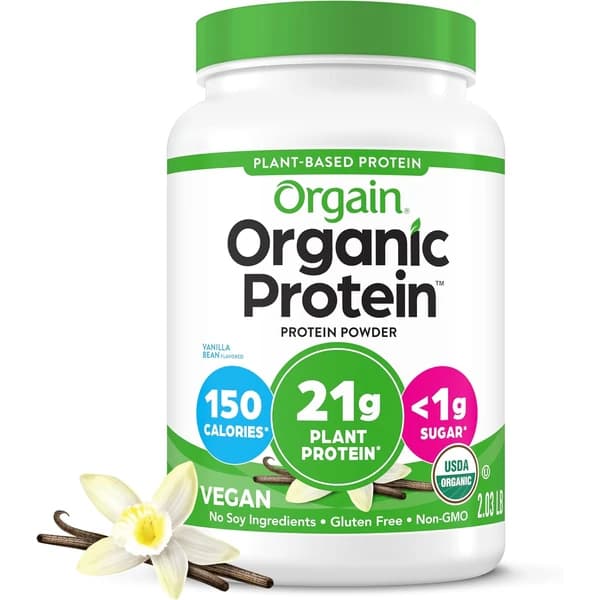
3. Orgain Organic Protein Powder — Best Plant-Based / Best Budget Pick
Amazon · Affiliate
Orgain Organic Protein Powder (Plant-Based)
4.5
21g of organic plant protein per serving. Dairy-free, soy-free, non-GMO. Great for vegans and those with lactose intolerance.
$20–$35Check Price on Amazon
Protein per serving: 21g Type: Plant-Based Blend (Pea + Brown Rice + Chia Seeds) Price range: $20–$35 Rating: 4.5/5
Plant-based protein powders have come a long way. The chalky, gritty, oddly earthy formulas of five years ago have been replaced by options that are genuinely enjoyable to drink — and Orgain Organic Protein is one of the best examples of the evolution.
Orgain uses a blend of organic pea protein, brown rice protein, and chia seeds. This matters because neither pea nor rice protein alone is a "complete" protein (meaning it doesn't contain all essential amino acids in optimal ratios), but together they complement each other to deliver a more complete amino acid profile — similar in practice to whey for muscle-building purposes. The leucine content is slightly lower than whey concentrate, but combined with consistent total daily protein intake, the difference in muscle gain outcomes is minimal.
At $20–$35 for a 2.03lb tub (roughly 20–25 servings), Orgain is the most affordable option on this list on a per-tub basis. It's certified USDA Organic, non-GMO, dairy-free, soy-free, and gluten-free — making it the most broadly accommodating option for anyone with dietary restrictions or preferences.
Chocolate Fudge is the flagship flavor and genuinely tastes good — smooth with a mild chocolate flavor that doesn't taste artificial. Vanilla Bean is a close second. It mixes reasonably well, though it's thicker than whey and works better with a blender or a vigorous shake.
Pros:
- Fully vegan and dairy-free
- USDA Organic, non-GMO, soy-free, gluten-free
- Most affordable per-tub price on this list
- Pea + rice blend provides a well-rounded amino acid profile
- Good flavor in Chocolate Fudge and Vanilla Bean
Cons:
- 21g protein vs 24–25g in whey options (slightly lower per serving)
- Leucine content lower than whey — important to hit total daily protein targets
- Thicker texture; benefits from a blender
- Not third-party tested for sport (important for competitive athletes)
Who it's best for: Vegans, vegetarians, anyone with lactose or dairy intolerance, and budget-conscious beginners who want a clean, affordable protein source without animal products.
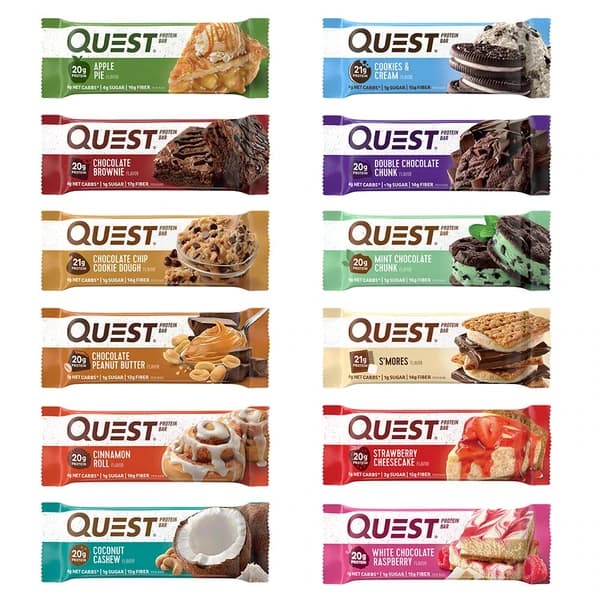
4. Quest Nutrition Protein Bars — Best Portable Option
Amazon · Affiliate
Quest Nutrition Protein Bars (12-Pack)
4.6
20–21g protein, low net carbs, and high fiber. A convenient on-the-go snack that fits most diet plans.
$20–$30Check Price on Amazon
Protein per serving: 20–21g Type: Milk Protein Isolate + Whey Protein Isolate Price range: $20–$30 (12-pack) Rating: 4.6/5
Protein powder works great when you're at home or at the gym. But what about when you're traveling, at the office, running between meetings, or stuck somewhere without access to a shaker bottle? That's where protein bars earn their place in a muscle-building program.
Quest Bars are the gold standard of the protein bar category — and that's not hyperbole. At 20–21g of protein, 5g net carbs, and roughly 200 calories per bar, they're one of the most macro-efficient convenient protein options available anywhere. The protein comes from milk protein isolate and whey protein isolate — both high-quality sources with strong amino acid profiles.
The texture has improved significantly from the original "chewy cement" reputation. Modern Quest Bars are softer, especially flavors like Double Chocolate Chunk and Chocolate Chip Cookie Dough. They don't require refrigeration, survive in a gym bag without melting, and are available at virtually every convenience store, pharmacy, and grocery chain in the country.
At about $2.00–$2.50 per bar (buying a 12-pack), they're more expensive per gram of protein than powder — but you're paying for convenience and portability. The cost makes sense when the alternative is skipping your protein target because you weren't near a kitchen.
Pros:
- 20–21g protein with very low net carbs (4–6g)
- High-quality protein sources (milk isolate + whey isolate)
- No refrigeration needed — truly portable
- Wide variety of flavors, consistently rated well
- Available everywhere
Cons:
- More expensive per gram of protein than powder
- Some flavors use sugar alcohols that cause GI discomfort in sensitive individuals
- Not a meal replacement — treat it as a protein supplement, not a complete food
Who it's best for: Active individuals who struggle to hit protein targets on the go, travelers, office workers, or anyone who needs a grab-and-go protein option that doesn't require prep or refrigeration.
The Best Muscle Gain Stack: Protein + Creatine
Most beginners are told to "just get your protein in" and that's good advice — but if you want to accelerate your results from day one, there's one supplement you should add alongside your protein powder: creatine monohydrate.
Why Creatine Belongs in Your Stack
Creatine is the most researched performance supplement in existence, with hundreds of peer-reviewed studies consistently showing benefits for:
- Strength and power output — particularly on compound lifts (squat, bench, deadlift)
- Lean muscle mass — creatine draws water into muscle cells and helps stimulate anabolic signaling
- Workout capacity — more ATP available means more reps at the same weight
- Recovery — reduced muscle damage markers after resistance training
For beginners specifically, creatine tends to produce dramatic early results because your baseline phosphocreatine stores are still undeveloped. The combination of progressive overload + adequate protein + creatine supplementation is the most evidence-backed beginner muscle-building stack available.
How to Combine Protein Powder and Creatine
The logistics are simple. Just add 3–5g of creatine to your protein shake. You don't need a "loading phase." Consistent daily use for 2–4 weeks is enough to saturate muscle stores, and taking it with a carbohydrate or protein (as in a post-workout shake) may slightly improve uptake.
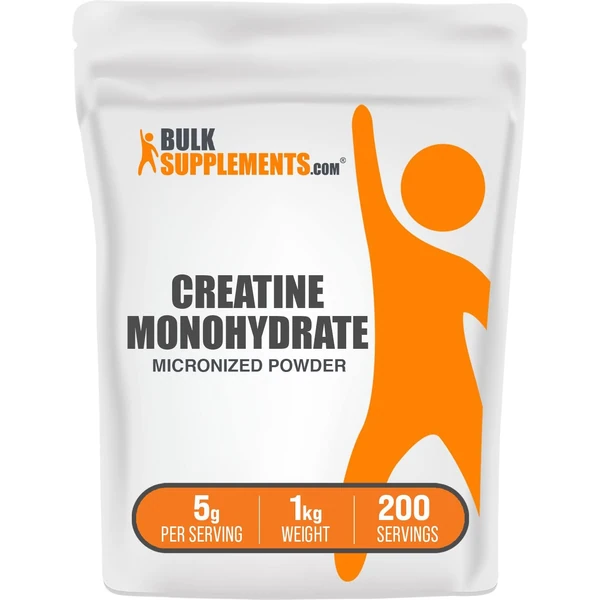
BulkSupplements Creatine Monohydrate — Best Creatine for the Stack
Amazon · Affiliate
BulkSupplements Creatine Monohydrate
4.7
Pure micronized creatine monohydrate. No fillers, no additives. Lab-tested for purity.
$20–$40Check Price on Amazon
Form: Pure Micronized Creatine Monohydrate Dose: 5g per day (roughly 1 teaspoon) Price range: $20–$40 Rating: 4.7/5
BulkSupplements Creatine Monohydrate is the simplest, most cost-effective creatine you can buy. No flavors, no fillers, no blends — just pure micronized creatine monohydrate that dissolves clearly into water or your protein shake. The micronized form is finer than standard creatine, which improves mixability and reduces the slight grittiness that older creatine products were known for.
The cost per serving is remarkably low — at the 500g size, you're looking at roughly $0.10–$0.15 per day. That's less than $5 per month for a supplement with hundreds of studies behind it. BulkSupplements is third-party tested for purity and potency, which matters when you're buying something in bulk.
Pros:
- Pure creatine monohydrate — the most studied form
- Mixes cleanly into any shake
- Extremely cost-effective (~$0.10–$0.15/day)
- Third-party tested for purity
- Unflavored — add to anything without affecting taste
Cons:
- Unflavored means it's not pleasant to mix with just water (add to a shake)
- No fancy features — for those who want flavored or ready-to-take creatine, look elsewhere
Who it's best for: Anyone who wants maximum muscle-building bang for their buck. This is the supplement equivalent of buying a generic ibuprofen — same active ingredient, fraction of the price.
The Stack in Practice:
- Post-workout: 1 scoop ON Gold Standard or Dymatize ISO100 + 5g BulkSupplements Creatine, mixed with 8oz water or milk
- Morning (non-training days): 1 scoop of your protein powder + 5g creatine added to any meal or shake
- Total daily cost: ~$1.25–$1.50 for protein + creatine combined
How Much Protein Do You Actually Need?
This is the question beginners ask most often — and it gets overcomplicated. Here's the straightforward answer backed by the current research consensus:
General target: 0.7–1g of protein per pound of bodyweight per day
For a 160lb person, that's 112–160g of protein daily. For a 200lb person, it's 140–200g.
The higher end of that range (closer to 1g/lb) is appropriate if you're:
- Actively trying to gain muscle while minimizing fat gain
- In a calorie deficit (cutting) and trying to preserve muscle
- Training 4–6 days per week with significant resistance training volume
The lower end (0.7–0.8g/lb) is fine if you're:
- Training 2–3 days per week
- A true beginner who will gain muscle even at lower protein intakes due to "newbie gains"
- Eating a highly varied whole-food diet
Can You Get Too Much Protein?
In healthy individuals, there's no compelling evidence that eating more protein than your body can use causes harm — it's just metabolically wasteful. Excess protein is either used for energy or converted to glucose. The real cost is financial, not physiological.
How Much Does a Scoop Actually Help?
One scoop of ON Gold Standard (24g protein) represents roughly 15–20% of most people's daily protein target. In the context of a normal diet — eggs at breakfast, chicken at lunch, dinner with some meat or legumes — a single daily protein shake is usually enough to close the gap without dramatically changing how you eat.
When to Take Protein
The timing of protein matters — but much less than consistently hitting your total daily intake. Here's the simplified breakdown:
Post-Workout (Most Popular, Most Studied)
Taking protein within 30–60 minutes of finishing a resistance training session has been shown to stimulate muscle protein synthesis more effectively than waiting several hours. This is the "anabolic window" you've probably heard about. The window is real, but it's wider than gym folklore suggests — 1–2 hours post-workout is fine.
Practical recommendation: mix your shake in the parking lot or within the first 30 minutes of finishing your session.
Morning (Second Best Time)
If you train in the evening or at night, a morning protein shake is an excellent way to break your overnight fast and give your muscles amino acids early in the day. After 7–9 hours of sleep with no protein intake, muscle protein synthesis has slowed — a fast-absorbing protein like whey restarts it quickly.
Before Bed (Underrated)
Slower-digesting proteins (casein, milk protein, even a plant-based shake) taken before bed have been shown to extend muscle protein synthesis during sleep. This is especially useful if you're eating in a calorie surplus and training hard.
The Simple Rule
If you're hitting your daily protein target by any means, timing is secondary. Focus on the total first. Once you're consistently at 0.7–1g/lb per day, then optimize timing.
Common Protein Powder Mistakes
Mistake 1: Treating Protein Powder as a Meal Replacement
Protein powder is a supplement — it's meant to fill gaps in your diet, not replace whole-food meals. Whole foods bring fiber, micronutrients, and satiety that a shake doesn't provide. Think of your shake as a convenient add-on, not a staple meal.
Mistake 2: Not Reading the Nutrition Label
Many "protein powders" marketed in flashy tubs turn out to be under-dosed meal replacement blends. Check: actual grams of protein per serving (not "serving size" which includes all ingredients), protein per dollar, and whether the first ingredient listed is the protein source you expect.
Mistake 3: Buying the Most Expensive Product Assuming It's the Best
Marketing budgets don't equal quality. Some of the best-reviewed protein powders (ON Gold Standard, BulkSupplements Creatine) are mid-range priced or cheap. Conversely, some premium-priced products have proprietary blends and underdosed actives.
Mistake 4: Ignoring Total Daily Protein and Obsessing Over Timing
Spending energy optimizing your post-workout window before you're consistently hitting your daily protein target is the wrong order of operations. Get to 0.7–1g/lb daily first. Everything else is fine-tuning.
Mistake 5: Expecting Protein Powder to Build Muscle on Its Own
Protein powder provides raw material. Muscle growth requires a progressive training stimulus, adequate sleep, sufficient total calories, and time. The supplement accelerates a process that the training creates — it doesn't create the process itself.
Final Thoughts
Protein powder doesn't need to be complicated. For most beginners, the decision tree is simple:
- Can you tolerate dairy? → Go with ON Gold Standard Whey. It's the best overall for most people.
- Want leaner macros or faster absorption? → Upgrade to Dymatize ISO100.
- Vegan or dairy-free? → Orgain Organic Protein is the best plant-based pick at a budget-friendly price.
- Need something portable for on-the-go days? → Keep Quest Protein Bars in your bag.
- Want to accelerate your gains further? → Add BulkSupplements Creatine to your daily shake.
The goal is to hit your daily protein target consistently, pair it with a progressive training program, sleep enough, and stay patient. A good protein powder makes that process easier and more convenient — and any of the five options on this list will get the job done.
Pick one, be consistent, and let the work speak for itself.
Affiliate disclosure: Some links in this article are affiliate links. If you purchase through them, we may earn a small commission at no extra cost to you. We only recommend products we genuinely believe in.
About the author
Nathan reviews the research, tests the tools, and writes the guides at LeanBodyEngine — evidence-first, no sponsored content, no supplement shilling.
Related articles


Subscribe
Never miss a new article
Get an email whenever we publish a new fitness guide, supplement review, or workout plan. One short email per post — that's it.
Unsubscribe anytime. We only email when there's a new post.