
How to Optimize Sleep for Muscle Growth: The Athlete's Complete Guide
Discover how sleep directly impacts muscle growth, fat loss, and recovery. Science-backed strategies, supplements, and routines to transform your sleep.
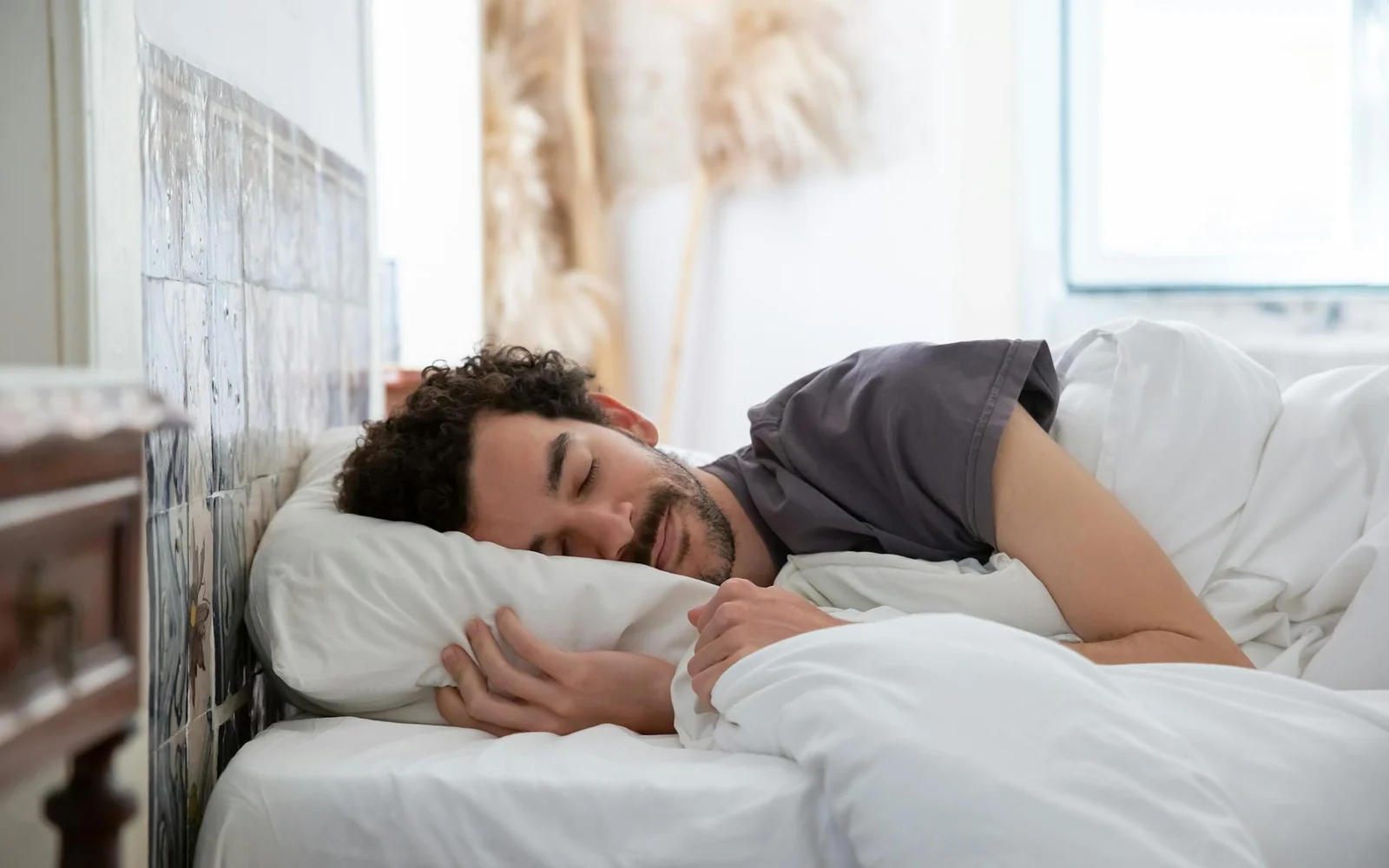
A 2019 study in the Journal of Sleep Research found that athletes sleeping fewer than 6 hours per night had 60% higher cortisol levels and 40% lower testosterone than those sleeping 8+ hours. A separate landmark study published in JAMA showed that restricting sleep to 5 hours per night for just one week dropped testosterone in healthy young men by 10–15% — the hormonal equivalent of aging 10–15 years in seven days.
You could be running the perfect training program, eating the ideal macros, and taking every supplement worth taking — and still leave the majority of your gains on the table if your sleep is broken. This guide covers everything an intermediate athlete needs to know: the mechanisms, the sleep stages that matter most, the supplements with real evidence behind them, how to build a bedroom environment that maximizes deep sleep, and the pre-sleep routine that pulls it all together.
Key Takeaways
- Growth hormone release is tied directly to deep (slow-wave) sleep — roughly 70% of your daily GH output happens in the first third of the night
- Testosterone follows a similar pattern — chronic under-sleeping of 5–6 hours causes hormonal deficits equivalent to a decade of aging
- Cortisol and sleep are inversely related — less sleep means more of the hormone that actively breaks down muscle
- Sleep stages matter, not just duration — slow-wave sleep drives physical recovery; REM sleep drives cognitive and neuromuscular recovery
- Three supplements have the best evidence for sleep quality: magnesium glycinate, ashwagandha (KSM-66 extract), and low-dose melatonin (0.3–0.5 mg)
- Environment is upstream of supplements — temperature, darkness, and noise control often matter more than anything you take
- A consistent pre-sleep routine reduces sleep onset latency by ~37% (randomized trial, Journal of Behavioral Medicine, 2015)
- Tracking is useful for trends, not individual nights — avoid obsessing over wearable scores
Why Sleep Is Critical for Muscle Growth
The common framing is that training builds muscle. The accurate framing is that training creates the stimulus, and sleep is where the adaptation actually happens. Every major anabolic and restorative process in the human body runs at a higher rate during sleep than during waking hours.
Growth Hormone: The Overnight Construction Crew
Human growth hormone (HGH) is the primary driver of muscle repair, connective tissue rebuilding, and fat mobilization. It is released in pulses throughout the day, but the largest pulse — accounting for roughly 70% of your total daily output — occurs during the first slow-wave (deep) sleep cycle of the night, typically within 60–90 minutes of falling asleep.
This has a critical implication: if you cut your sleep short, you don't just miss the final sleep cycles — you compress the architecture that allows the early, high-amplitude GH pulse to complete. A 2000 study in Sleep by Van Cauter and colleagues showed that even moderate sleep restriction disrupted this early GH pulse, reducing overall 24-hour GH exposure in ways that directly impaired tissue repair markers.
Testosterone: The Nighttime Surge
Testosterone production is highest during sleep, peaking in the early morning hours during REM cycles. The JAMA study mentioned at the top of this article — Leproult & Van Cauter, 2011 — followed 10 healthy young men over a week of 5-hour sleep restriction and found an average testosterone decline of 10–15% within one week. The subjects themselves reported decreased wellbeing, vigor, and libido. What made the finding striking was the speed: these were not men with sleep disorders or chronic deprivation — just a single week of moderately restricted sleep was sufficient to produce the decline.
At the other end, sleep extension research shows the flip side. A 2011 Stanford study (Mah et al., Sleep) had college basketball players extend sleep to 10 hours per night for 5–7 weeks. Results: 9% faster sprint times, better shooting accuracy, faster reaction times, and — critically — players reported feeling more energetic and less fatigued in practice. They didn't change their training. They didn't change their nutrition. They slept more.
Cortisol: Sleep's Inverse Partner
Cortisol is catabolic — it breaks down muscle tissue and opposes the effects of testosterone and GH. Its release follows a diurnal rhythm, peaking in the early morning to drive wakefulness and dropping through the day and night. Sleep deprivation disrupts this pattern aggressively.
The Journal of Sleep Research study (2019) that found 60% higher cortisol in under-slept athletes also confirmed that this elevated cortisol suppressed protein synthesis directly. Essentially, sleeping less doesn't just reduce anabolic hormones — it simultaneously elevates a hormone that actively counteracts any anabolic signal that remains.
A 2010 study in Sleep found that just two nights of partial sleep loss was sufficient to produce measurable cortisol elevation in the afternoon — a window when cortisol should normally be low. Athletes in multi-day training blocks face this compounding effect every time they cut corners on sleep.
Muscle Protein Synthesis and IGF-1
Beyond the hormonal cascade, sleep supports muscle protein synthesis (MPS) through insulin-like growth factor 1 (IGF-1), a downstream mediator of GH. During deep sleep, IGF-1 levels rise and directly stimulate satellite cell activity — the stem cells responsible for muscle repair and growth.
A 2021 review in Nature and Science of Sleep synthesized the literature and concluded that sleep deprivation reduced MPS rates by up to 18% even when protein intake was adequate. You can eat your 1g/lb of bodyweight in protein, time it perfectly, and still see blunted muscle repair if your slow-wave sleep is insufficient.
Immune Function and Inflammation
Training creates micro-tears and local inflammation. The resolution of that inflammation — the step that precedes growth — is heavily dependent on immune system activity, which runs at its most efficient during sleep. A 2015 study in Sleep (Prather et al.) showed that people sleeping under 6 hours were 4.2 times more likely to develop a cold after controlled rhinovirus exposure than those sleeping 7+ hours. For athletes, this translates directly to increased injury risk, longer DOMS duration, and slower connective tissue repair.
The 4 Stages of Sleep — and Which Matter Most for Athletes
Not all sleep is equal. A full night of sleep cycles through four distinct stages, and understanding which stages do what allows you to make smarter decisions about sleep timing, environment, and supplementation.
Stage 1: NREM Light Sleep (N1)
The entry stage. You're transitioning from wakefulness, muscle tone decreases, and you're easily awakened. This stage represents about 5–10% of total sleep time and has minimal direct recovery value. Its primary function is serving as the gateway to deeper stages.
Stage 2: NREM Light Sleep (N2)
Where you spend the most time — roughly 45–55% of total sleep. Heart rate slows, body temperature drops, and your brain produces sleep spindles (bursts of neural activity associated with memory consolidation) and K-complexes (neural events that suppress arousal). Stage 2 is not "unimportant" sleep — it's where significant cardiovascular recovery occurs and where much of the motor learning from practice and training gets consolidated in the motor cortex.
Stage 3: Slow-Wave Sleep / Deep Sleep (N3)
The most critical stage for physical recovery. This is where the massive GH pulse occurs, IGF-1 peaks, tissue repair runs at its highest rate, and immune system activity is most robust. Deep sleep comprises roughly 15–20% of total sleep in healthy young adults, concentrated heavily in the first half of the night.
Deep sleep is also the most difficult stage to recover if disrupted. Unlike REM sleep, which tends to rebound strongly after deprivation, deep sleep is less amenable to "catch-up." This is why the first 4–5 hours of sleep are disproportionately valuable for an athlete — they contain the majority of the deep sleep you'll get in a full night.
Key disruptors of deep sleep: alcohol (even moderate evening intake reduces N3 by 20–40%), bedroom temperature above 70°F, high cortisol from late-night training, and blue light exposure within 1–2 hours of bed.
Stage 4: REM Sleep
REM (Rapid Eye Movement) sleep is where vivid dreaming occurs, emotional processing happens, and — critically for athletes — neuromuscular learning and skill consolidation are encoded. Motor sequences practiced during training get "replayed" and solidified during REM. Studies on musicians, chess players, and athletes have all confirmed that REM deprivation impairs the retention of procedural skills learned the day before.
REM sleep increases in proportion across the night, dominating the final third. This is why cutting sleep from 8 to 6 hours disproportionately eliminates REM — the math is simple but the consequences for skill-based sports are significant.
For athletes: prioritize total duration to protect both N3 and REM. The 7–9 hour recommendation from the American Academy of Sleep Medicine is a range designed to protect both stages in the majority of adults.
Supplements for Better Sleep Quality
The supplement market for sleep is oversaturated with products that have weak or no evidence. Three supplements stand above the noise for athletes specifically: magnesium glycinate, ashwagandha KSM-66, and low-dose melatonin. Here's what the research actually says about each.
Magnesium Glycinate: The Foundation
Magnesium is involved in over 300 enzymatic reactions in the human body, including the regulation of GABA — the primary inhibitory neurotransmitter that drives sleep. Athletes deplete magnesium faster than sedentary individuals: sweat losses during training, higher metabolic demand, and elevated cortisol all accelerate magnesium excretion. Conservative estimates suggest that 60–70% of athletes are below optimal magnesium levels.
A 2022 meta-analysis in BMC Complementary Medicine and Therapies reviewed 9 RCTs on magnesium supplementation and sleep, finding that magnesium improved sleep onset latency by an average of 17 minutes and increased total sleep time by approximately 16 minutes. Not transformative in isolation, but meaningful when sleep quality is already compromised — and particularly impactful when the deficiency underlying poor sleep is magnesium insufficiency.
The form matters. Magnesium glycinate (magnesium bound to the amino acid glycine) is the preferred form for sleep because glycine itself has independent sleep-promoting effects — a 2012 study in Sleep and Biological Rhythms found that glycine supplementation at bedtime reduced fatigue, improved sleep quality scores, and lowered body temperature during sleep. Glycine's cooling effect may directly facilitate the core body temperature drop needed to enter deep sleep.
Magnesium oxide (the cheapest and most common form in supermarkets) is poorly absorbed and primarily acts as a laxative. Magnesium citrate is better absorbed but lacks the glycine. For sleep specifically, glycinate is the right form.
Effective dose: 300–400 mg elemental magnesium as glycinate, taken 30–60 minutes before bed. Look for a supplement that lists the elemental magnesium content, not just the total weight of the magnesium glycinate compound.
For this, we recommend Magnesium Glycinate by a reputable supplement brand, which uses the chelated glycinate form at a proper elemental dose, third-party tested, and reliably dosed per capsule — critical because magnesium is one of the most commonly underdosed supplements on the market.

Amazon · Affiliate
Doctor's Best High Absorption Magnesium Glycinate
4.7
Highly bioavailable magnesium chelate. Supports muscle relaxation, deep sleep, stress reduction, and recovery.
$12–$22Check Price on Amazon
Ashwagandha (KSM-66 Extract): The Cortisol Reducer
Ashwagandha is an adaptogen — a class of herbs that support the body's stress-response system. The mechanism relevant to sleep is its ability to modulate the hypothalamic-pituitary-adrenal (HPA) axis, reducing cortisol output during the evening and nighttime hours. For athletes carrying a high training load, this is directly relevant: elevated training stress means elevated cortisol, and elevated cortisol is one of the most reliable sleep disruptors there is.
The most-studied extract is KSM-66, a full-spectrum root extract standardized to a minimum of 5% withanolides. The research specifically on KSM-66 (not generic ashwagandha powder) is impressive for sleep:
A 2019 randomized, double-blind, placebo-controlled trial published in Medicine followed 60 adults taking 300 mg KSM-66 twice daily for 10 weeks. The ashwagandha group showed significant improvements in sleep quality measured by actigraphy (wearable sleep tracking) and the Pittsburgh Sleep Quality Index — including faster sleep onset, longer total sleep time, and better sleep efficiency.
A 2020 study in PLOS ONE (Langade et al.) specifically in people with mild-to-moderate insomnia found that 600 mg/day KSM-66 for 8 weeks produced a 72% improvement in sleep quality scores versus 29% in the placebo group. Sleep efficiency (time asleep vs. time in bed) improved from ~75% to ~83%.
Beyond sleep, KSM-66 has consistent evidence for reducing morning cortisol, improving strength and VO2max in training studies, and blunting the psychological stress response. For athletes who sleep poorly because they're overtrained or carry chronic stress, ashwagandha addresses the upstream cause rather than just sedating.
Dosing: 300–600 mg KSM-66 extract daily, taken in the evening with dinner or 30–60 minutes before bed. The research consistently uses full-spectrum, standardized extracts — don't substitute with low-cost generic ashwagandha powder of unknown withanolide content.
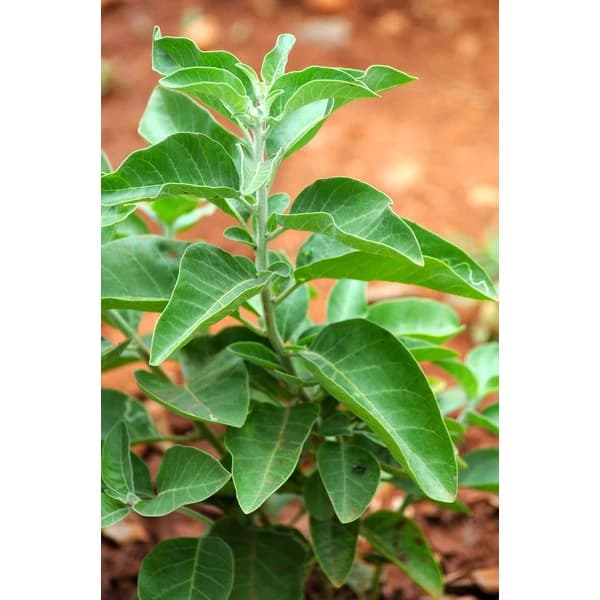
For this, we recommend an Ashwagandha KSM-66 supplement that uses the clinically validated extract at the research-supported dose — the standardization to 5%+ withanolides is what separates effective products from label dressing.
Amazon · Affiliate
Jarrow Formulas Ashwagandha (KSM-66)
4.6
300mg KSM-66 ashwagandha root extract. Clinically studied to reduce cortisol, improve sleep quality, and boost strength.
$15–$25Check Price on Amazon
Melatonin: Right Dose, Right Context
Melatonin is the most commonly used sleep supplement in the US, but it is almost universally taken at the wrong dose. Standard over-the-counter products contain 5–10 mg per dose. The research-optimal dose for improving sleep onset is 0.3–0.5 mg — 10 to 30 times lower than what's sitting on most pharmacy shelves.
A landmark 2017 review in Sleep Medicine Reviews (Brzezinski et al.) analyzed the dose-response relationship and found that low physiological doses (0.3–0.5 mg) were more effective at advancing sleep timing than higher pharmacological doses (5–10 mg), which can cause morning grogginess, suppress your own melatonin production with continued use, and are potentially counterproductive for people without circadian misalignment.
Melatonin is best used in specific contexts: jet lag (advancing or delaying sleep timing when crossing time zones), shift work, or occasional use on nights when sleep onset is difficult due to travel, stress, or schedule disruption. It is not a nightly sedative and should not replace circadian hygiene or addressing the root cause of sleep problems.
For athletes who do benefit from occasional supplementation, the key is finding a product with accurate, low-dose delivery — most 10 mg products can be split to approximate 0.3–0.5 mg doses, but this is imprecise. Purpose-formulated low-dose options are better.
Natrol's melatonin is one of the most widely used and reliably dosed options at accessible price points, available in both 1 mg and 3 mg formulations that can be split or taken as-is for controlled, low-to-moderate dosing without the pharmacological effects of high-dose products.
Amazon · Affiliate
Natrol Melatonin 5mg Fast Dissolve (90ct)
4.6
Drug-free sleep aid that helps you fall asleep faster. Strawberry flavor, dissolves instantly — no water needed.
$8–$14Check Price on Amazon
Supplement Comparison Table
| Supplement | Best Evidence Dose | Primary Mechanism | Best Context | Price Range | |---|---|---|---|---| | Magnesium Glycinate | 300–400 mg elemental | GABA modulation, glycine cooling effect | Nightly; especially for athletes with deficiency | $12–$22 | | Ashwagandha KSM-66 | 300–600 mg extract | HPA axis modulation, cortisol reduction | Nightly; high-stress, overtrained athletes | $15–$25 | | Melatonin (low-dose) | 0.3–0.5 mg | Circadian phase shifting | Jet lag, shift work, occasional disruption | $8–$14 | | Magnesium Oxide | Not recommended | Poorly absorbed, primarily laxative | Avoid for sleep | — | | High-dose melatonin (5–10 mg) | Avoid for sleep | Pharmacological; may suppress endogenous | Avoid for nightly use | — | | Valerian root | 300–600 mg | Weak GABA modulation (mixed evidence) | Optional; low confidence | — | | L-theanine | 100–200 mg | Anxiety reduction, alpha-wave promotion | Can stack with magnesium | — |
Environment Optimization: Build a Sleep Cave
Supplements are downstream of environment. If your bedroom is warm, bright, or noisy, no amount of magnesium glycinate will fully compensate. The physiology is clear: your core body temperature must drop by approximately 1–2°F to initiate and maintain deep sleep, and light and noise both fragment sleep architecture in ways that show up clearly on polysomnography even when the sleeper doesn't consciously wake.
Temperature: The Single Biggest Lever
The scientific consensus from sleep thermoregulation research is narrow: 65–68°F (18–20°C) is the optimal bedroom temperature for most adults. A 2012 study in the Journal of Physiological Anthropology found that bedroom temperatures above 75°F significantly reduced slow-wave sleep and increased waking time after sleep onset. The mechanism is direct: your body loses heat to the environment to achieve the core temperature drop necessary for deep sleep — if the room is too warm, heat dissipation is impaired and you spend more time in lighter stages.
Practical actions:
- Set your thermostat to 65–68°F 30–60 minutes before bed
- Use a fan for airflow if you can't air-condition to that temperature
- Sleep with breathable bedding — polyester traps heat; cotton and bamboo wick moisture
- A warm shower or bath 60–90 minutes before bed is counterintuitively effective: peripheral vasodilation causes a rapid core temperature drop when you exit, accelerating the temperature decrease your body needs to initiate sleep (research on this from Haghayegh et al., Sleep Medicine Reviews, 2019)
Darkness: Non-Negotiable
Even small amounts of light during sleep suppress melatonin release and fragment sleep architecture. Streetlights through thin curtains, charging indicator LEDs, and phone screens left face-up have measurable effects. A 2022 study in the Proceedings of the National Academy of Sciences (Mason et al.) found that sleeping with moderate room lighting — versus complete darkness — was associated with higher heart rate during sleep and increased insulin resistance the following morning.
Two solutions:
Blackout curtains are the permanent fix for external light. They're the highest-leverage bedroom upgrade available.
A quality sleep mask provides complete darkness anywhere — whether at home with inadequate curtains, while traveling, on planes, or when your partner's schedule differs from yours. The key quality characteristics are: contoured shape that doesn't press on eyelids (allowing natural eye movement during REM), adjustable strap that doesn't create pressure at the back of the head, and breathable material.
The Alaska Bear sleep mask has become the benchmark budget option for this reason — the mulberry silk material is naturally temperature-regulating and soft, the contoured design protects eyelid movement, and the adjustable band stays put without pressure points. It's the choice endorsed by sleep researchers specifically because it doesn't sacrifice REM eye movement, which cheaper flat-fabric masks inhibit.
Amazon · Affiliate
Alaska Bear Natural Silk Sleep Mask
4.5
Ultra-soft 100% natural mulberry silk. Blocks 100% of light without putting pressure on eyes. Includes earplugs.
$8–$15Check Price on Amazon
Noise: The Underrated Disruptor
Noise doesn't have to wake you to hurt your sleep. Research by McEwen and colleagues (2007, Physiology & Behavior) showed that acoustic stimulation during sleep — even at levels below conscious awakening — triggers cortical arousal responses that shift sleep from deeper to lighter stages. Traffic, a partner's breathing, heating and cooling system noise, and inconsistent environmental sounds all chip away at sleep quality without most people realizing it.
White noise works by raising the auditory floor — rather than eliminating sound, it masks transient noise events by providing a steady broadband background that prevents the contrast spikes that trigger arousal. A 2021 study in the Journal of Sleep Research found that continuous broadband noise reduced nighttime awakenings by approximately 38% in adults sleeping in noise-disrupted environments.
The distinction between white, pink, and brown noise matters: white noise is flat across frequencies (sounds like static), pink noise has more energy in lower frequencies and sounds more like rain or wind, and brown noise is even lower-frequency with a deeper rumble. The research base is largest for white noise, though emerging studies suggest pink noise may have slight advantages for slow-wave sleep specifically (a 2017 Frontiers in Human Neuroscience study reported pink noise enhanced deep sleep and memory consolidation).
A dedicated white noise machine outperforms a phone app or speaker in three ways: consistent sound output at a controlled decibel level, dedicated hardware purpose-built for all-night use, and the absence of light and screen-time temptation that comes with using a phone as a sound device.
For this, we recommend the LectroFan or Marpac Dohm-series white noise machines, which are the two most validated options in sleep research lab settings — both are used in clinical and research environments and offer a range of sound profiles. The Dohm specifically uses a mechanical fan for truly non-looping, natural sound, while the LectroFan offers digital precision with volume control and multiple noise types.
Amazon · Affiliate
LectroFan High Fidelity White Noise Machine
4.6
20 non-looping fan and white noise sounds. Masks disruptive sounds for deeper, uninterrupted sleep. Used in sleep clinics.
$45–$60Check Price on Amazon
Building Your Pre-Sleep Routine
Your nervous system doesn't switch from "working" to "sleeping" on a binary signal. It requires a transition — a gradual downregulation of the sympathetic nervous system (fight-or-flight) and upregulation of the parasympathetic system (rest-and-digest). The purpose of a pre-sleep routine is to create a structured, repeatable transition that your brain learns to associate with sleep.
A 2015 randomized trial in the Journal of Behavioral Medicine found that a consistent 30-minute pre-sleep routine reduced sleep onset latency by an average of 37%. The specific activities mattered less than the consistency — the routine itself became the trigger.
The 60-Minute Wind-Down Template
This is a framework, not a law. Adapt it to your life — but keep the timing anchors fixed.
T-60 minutes: Hard stop on training Training within 2–3 hours of bed significantly delays sleep onset for most athletes. A 2019 meta-analysis in Sports Medicine found that vigorous evening exercise raised core body temperature and heart rate in ways that persisted for 60–90 minutes post-session. If you must train late, low-intensity sessions (walking, mobility, yoga) have a much smaller effect on sleep onset than high-intensity work.
T-60 minutes: Last meal and supplements Take your magnesium glycinate and ashwagandha now with dinner or a small snack. Eating a large meal within 60 minutes of bed elevates core body temperature (the thermic effect of food) and can delay sleep. A small snack (~150–200 calories) is fine if you're hungry — choose something with some carbohydrates and protein (yogurt, cottage cheese, a small banana and peanut butter), which supports tryptophan uptake and overnight muscle protein synthesis.
T-45 minutes: Screens to low or off The issue with screens before bed isn't purely blue light — it's the combination of blue light, cognitive stimulation, and emotional arousal (social media, email, news) that collectively delays sleep onset. If you must use screens, switch to night mode (warmer color temperature), reduce brightness to minimum, and hold the device at arm's length rather than 6 inches from your face.
T-30 minutes: Lights down Dim overhead lights and switch to a single warm-toned lamp or night light. Bright overhead lighting suppresses melatonin even at relatively short exposures. A 2011 study in Journal of Clinical Endocrinology & Metabolism found that exposure to standard indoor overhead lighting (200 lux) in the hour before bed suppressed melatonin onset by approximately 1.5 hours — equivalent to a major phase delay.
T-20 minutes: Mobility or stretching Light mobility work accomplishes two things: it mechanically reduces tension accumulated from the day (particularly in the hips, thoracic spine, and shoulders for most lifters), and it activates the parasympathetic nervous system through slow, diaphragmatic breathing. A 2020 review in Sleep Medicine Reviews linked gentle evening stretching to faster sleep onset and improved sleep quality scores.
5-minute pre-bed floor sequence:
- Supine knees-to-chest: 60 seconds
- Supine spinal twist: 45 seconds per side
- Figure-4 glute stretch: 45 seconds per side
- Child's pose with arms extended: 60 seconds
- Diaphragmatic breathing (4-count inhale, 6-count exhale): 2 minutes
T-10 minutes: Breathing or reading The 4-7-8 breathing technique (inhale 4 counts, hold 7, exhale 8) has been cited by Andrew Weil as a parasympathetic activator, and while controlled trials are limited, slow exhalation-heavy breathing patterns do have evidence for heart rate variability improvements and cortisol reduction. Alternatively, reading fiction (not work material) for 10 minutes is associated with reduced stress in pre-sleep settings.
Lights out: fixed bedtime ±30 minutes Consistency of bedtime is less important than consistency of wake time — but a fixed bedtime window matters for consolidating the pre-sleep routine signal. The brain needs 10–14 days of consistent timing to begin associating the end of the routine with sleep onset.
What to Avoid in the Final 2 Hours
- Alcohol. Even one drink disrupts REM in the second half of the night. A 2018 study in Journal of Clinical Sleep Medicine showed moderate evening alcohol reduced overall sleep quality by 24%.
- Large meals. Thermogenesis from digestion fights the temperature drop your body needs for deep sleep.
- Arguments or high-stress conversations. The cortisol response from emotional stress has a half-life that can extend well into your first sleep cycles.
- Checking the news or social media. Passive exposure to threatening or arousing content (bad news, social comparison) activates the amygdala and delays the parasympathetic shift needed for sleep.
- Hard-interval training or HIIT. Reserve intense training for morning or afternoon sessions whenever possible.
How to Track Your Sleep Quality
Tracking sleep is useful but comes with important caveats. The goal is to identify patterns over weeks and months, not to optimize individual nights — chasing a single night's score is a trap with a name in the literature: orthosomnia, described in a 2017 Journal of Clinical Sleep Medicine case series as "worsening insomnia due to obsession with achieving perfect sleep tracker data."
What Consumer Wearables Actually Measure Accurately
Consumer sleep trackers (Oura Ring, WHOOP, Apple Watch, Garmin) use a combination of accelerometry (movement) and photoplethysmography (heart rate variability and heart rate) to infer sleep stages. Multiple validation studies comparing these devices to polysomnography (the clinical gold standard) have found:
- Total sleep time: moderate accuracy (within 10–15% on average)
- Sleep efficiency: reasonably accurate
- Deep sleep vs. light sleep identification: low accuracy — the algorithms vary widely and individual nights can be wrong by 30–50%
- REM identification: moderate accuracy
The practical conclusion: use your tracker to spot weekly behavioral patterns, not to grade individual nights. Questions worth asking with a tracker:
- Does alcohol on weekends correlate with lower HRV and more awakenings?
- Does training past 8 PM delay sleep onset by a measurable amount?
- Does my bedtime drift later when I skip my routine?
- Is my resting heart rate elevated (a proxy for inadequate recovery) on high-stress work weeks?
Subjective Metrics Are Underrated
The simplest and most honest sleep quality metric is your answer to this question within 30 minutes of waking: "How do I feel?" Sleep researchers use validated questionnaires — the Pittsburgh Sleep Quality Index (PSQI) and the Epworth Sleepiness Scale — that both center on subjective sleepiness, fatigue, and next-day cognitive function. These correlate with health outcomes more strongly than any consumer wearable metric.
Track these three things daily (takes 30 seconds):
- Sleep duration (bedtime to wake time)
- Subjective quality (1–10 scale on rested feeling)
- Notable inputs from the previous evening (alcohol, late training, stress, room temperature)
After 4 weeks, patterns become obvious. You don't need a $300 ring for this — a notes app or a simple spreadsheet works perfectly.
Interpreting Heart Rate Variability (HRV)
HRV — the variation in time between heartbeats — is the most reliable non-invasive proxy for autonomic nervous system recovery available in consumer devices. High HRV correlates with parasympathetic dominance (well-recovered, low-stress state); low HRV correlates with sympathetic dominance (high stress, inadequate recovery, illness onset).
For sleep optimization, track your morning HRV (within 5 minutes of waking, before getting out of bed) and compare it against your personal rolling average. Individual absolute numbers are not meaningful between people — a "good" HRV for one person might be objectively low for another. What matters is your trend relative to your baseline:
- HRV 10%+ above your 7-day average: well-recovered — full training session appropriate
- HRV near average (±10%): normal — train as planned
- HRV 10%+ below your 7-day average: impaired recovery — reduce training intensity, investigate sleep inputs from the last 48 hours
Athletes who incorporate HRV-guided training adjustments consistently show fewer overtraining injuries and more consistent progress in blocks of 8+ weeks (research summarized in International Journal of Sports Physiology and Performance, 2016).
Red Flags Worth Investigating
Several sleep patterns warrant medical evaluation rather than lifestyle adjustment alone:
- Loud, witnessed snoring with apnea pauses: potential obstructive sleep apnea (OSA), extremely common in athletes with larger necks (powerlifters, rugby players). OSA destroys deep sleep architecture and is dramatically underdiagnosed.
- Waking consistently at 2–4 AM unable to fall back asleep: may indicate cortisol dysregulation, blood sugar fluctuation, or early-morning cortisol peak — worth investigating with a 4-point cortisol test.
- Chronic sleep onset over 30 minutes: persistent sleep onset insomnia; cognitive behavioral therapy for insomnia (CBT-I) is more effective than any supplement for this presentation and is the first-line recommendation from the American Academy of Sleep Medicine.
- Excessive daytime sleepiness despite 8+ hours: may indicate poor sleep quality (OSA, UARS, periodic limb movement disorder) rather than insufficient duration.
A single night of poor sleep is noise. Three or more consecutive weeks of poor sleep are a signal.
Putting It All Together: The Athlete's Sleep Stack
Here's the complete framework distilled to its essentials.
The Non-Negotiables (Free, High-Impact)
| Habit | Protocol | Why | |---|---|---| | Fixed wake time | Same time ±30 min, 7 days/week | Anchors circadian rhythm, the foundation everything else builds on | | Morning light | 5–20 min outdoor light within 30 min of waking | Single strongest circadian signal; sets the sleep pressure timer | | Caffeine cutoff | No caffeine after 2 PM | Caffeine's 5–6 hr half-life persists late into evening at doses taken post-2 PM | | Bedroom temperature | 65–68°F before bed | Core body temperature drop is required for deep sleep initiation | | Total duration | 7–9 hours (most adults) | Protects both N3 and REM; the minimum for full anabolic hormonal cycles | | Alcohol avoidance before bed | None within 3 hrs | Even moderate intake reduces deep sleep 20–40% and fragments REM |
The Environment Upgrades (One-Time Cost, Ongoing Benefit)
| Tool | Purpose | Priority | |---|---|---| | Blackout curtains | Eliminate external light that suppresses melatonin | High | | Sleep mask | Portable darkness; protects REM eye movement | High (especially for travelers) | | White noise machine | Mask transient noise events; reduce awakenings 38% | Medium–High | | Thermostat or fan | Maintain 65–68°F | High |
The Supplement Stack (Evidence-Based, Targeted)
| Supplement | Dose | Timing | Best For | |---|---|---|---| | Magnesium Glycinate | 300–400 mg elemental | 30–60 min before bed | Foundational; most athletes are deficient | | Ashwagandha KSM-66 | 300–600 mg | Evening, with dinner | High training load, stress, elevated cortisol | | Melatonin (low-dose) | 0.3–0.5 mg | 60–90 min before desired sleep time | Jet lag, shift work, occasional disruption |
Final Thoughts
Sleep is the most underutilized performance-enhancing tool in fitness. You cannot outwork poor sleep — and unlike most performance variables, the payoff is immediate: a single night of extended, optimized sleep produces measurable improvements in strength output, sprint speed, reaction time, and cognitive function the following day. Stack multiple good nights and the hormonal, structural, and neuromuscular effects compound over weeks in ways that no training program or supplement can replicate.
The hierarchy is simple: circadian habits first, environment second, supplementation third. Fix your wake time, earn your morning light, get your bedroom to 65–68°F with real darkness and managed noise, then layer in magnesium glycinate nightly, ashwagandha if your stress load is high, and melatonin for disrupted-schedule situations. Add a structured 30–60 minute wind-down and track the patterns rather than individual nights.
If you're training seriously and sleeping 6 hours in a warm, noisy room, you're essentially funding a renovation and forgetting to install the roof. Your body is ready to grow. Give it the conditions to do so.
For more on the recovery side of this equation, pair this guide with our how to recover faster after a workout breakdown — it covers nutrition timing, active recovery, and mobility work that directly amplifies the gains you'll see from optimized sleep.
Affiliate disclosure: Some links in this article are affiliate links. If you purchase through them, we may earn a small commission at no extra cost to you. We only recommend products we genuinely believe in.
About the author
Nathan reviews the research, tests the tools, and writes the guides at LeanBodyEngine — evidence-first, no sponsored content, no supplement shilling.
Related articles

Subscribe
Never miss a new article
Get an email whenever we publish a new fitness guide, supplement review, or workout plan. One short email per post — that's it.
Unsubscribe anytime. We only email when there's a new post.