
Cold Plunge vs Sauna: What the Recovery Research Actually Recommends
Cold plunges are everywhere on social media. But research suggests heat therapy may be the better recovery tool for athletes focused on muscle and performance.

The cold plunge craze has a problem: if you're training for muscle and strength, your ice bath may be undermining the adaptations you worked for.
That's not a contrarian take for clicks — it's the conclusion of a 2024 systematic review and meta-analysis published in the European Journal of Sport Science by Alec Piñero and colleagues at CUNY Lehman College's Applied Muscle Development Laboratory. Their analysis of 8 randomized controlled trials found that resistance training alone produced meaningful hypertrophic gains (SMD = 0.36), while cold water immersion combined with resistance training produced gains that were "small to negligible in magnitude" (SMD = 0.14).
Meanwhile, the heat therapy literature has been quietly accumulating evidence in the other direction — for cardiovascular health, recovery, mental health, and even hypertrophy compatibility.
This article gives equal treatment to both modalities. The goal isn't to declare a winner based on what looks cooler on Instagram. The goal is to help you choose the right tool for your actual training goals.
Key Takeaways
- Cold water immersion at 10–15°C (50–59°F) for 10–20 minutes reduces DOMS at 48–96 hours post-exercise, but blunts mTOR signaling and muscle protein synthesis after resistance training
- A 2024 systematic review and meta-analysis (Piñero et al.) found resistance training alone produced meaningful hypertrophy (SMD = 0.36), while CWI combined with resistance training produced gains "small to negligible in magnitude" (SMD = 0.14)
- Finnish sauna use 4–7 times per week is associated with a 50% reduction in cardiovascular mortality and a 66% reduced risk of dementia over a 20.7-year prospective cohort (Laukkanen et al.)
- Heat therapy does not suppress anabolic signaling post-resistance training — a 2025 study in Frontiers in Sports and Active Living found infrared sauna neither enhanced nor inhibited hypertrophy in a 6-week training block
- Norepinephrine increases 200–300% in response to cold water exposure, producing the acute mood elevation and mental clarity commonly reported after cold plunges
- If using CWI alongside resistance training, waiting at least 6 hours post-session may partially attenuate (but not eliminate) hypertrophy interference, per Fröhlich et al.
The Head-to-Head at a Glance
| Factor | Cold Water Immersion (CWI) | Heat Therapy (Sauna/Hot Bath) | |---|---|---| | Mechanism | Vasoconstriction, reduced acute inflammation, nervous system downregulation | Vasodilation, heat shock proteins, cardiovascular adaptation | | DOMS Reduction | Moderate — strongest at 48–96h post-exercise | Mild to moderate — less acute than cold | | Hypertrophy Impact | Negative — blunts mTOR signaling and muscle protein synthesis | Neutral to positive — does not interfere with adaptation signals | | Cardiovascular Benefit | Minimal long-term evidence | Strong — dose-dependent reductions in CVD mortality (Laukkanen et al.) | | Mental Health Benefit | Moderate — acute mood elevation, dopamine spike | Strong — clinically studied for depression, anxiety, and stress reduction | | Cost | Low (DIY) to high (commercial plunge units) | Low (hot bath) to moderate (gym sauna access) | | Accessibility | Requires cold water source; temperature control matters | Bathtub, gym sauna, or infrared sauna | | Time Commitment | 10–20 minutes | 15–30 minutes |
Cold Water Immersion: How It Works and What the Research Says
The Mechanism
Cold water immersion (CWI) — typically defined in research as full or partial body immersion in water between 10–15°C (50–59°F) for 10–20 minutes — produces a cascade of acute physiological responses. Vasoconstriction shunts blood away from the periphery and toward the core. Tissue temperature drops, slowing local metabolic rate and nerve conduction velocity. Inflammation markers — specifically IL-6, TNF-α, and creatine kinase — are acutely reduced in the hours after exercise.
This is why CWI gained such traction in endurance and team sport contexts: the perception of reduced soreness is real, and in sports where athletes need to perform again within 24–48 hours, dampening acute inflammation has genuine practical value.
The nervous system effects are less often discussed but equally relevant. Cold exposure triggers a sympathetic discharge followed by a prolonged parasympathetic rebound — the mechanism behind the reported mood elevation and mental clarity many users describe post-plunge. Norepinephrine levels have been shown to increase by 200–300% in response to cold water exposure in studies from Secher and colleagues.
Evidence For: DOMS Reduction and Perceived Recovery
The strongest evidence for CWI is in DOMS reduction for high-intensity and endurance exercise. A comprehensive 2022 systematic review and meta-analysis by Emma Moore and colleagues (including recovery researcher Shona Halson) found that CWI was effective at reducing DOMS at 48, 72, and 96 hours after eccentric exercise, and produced moderate effects on DOMS after high-intensity exercise at 24 hours.
For endurance athletes, team sport players, and those competing multiple times per week, that DOMS reduction has practical value that shouldn't be dismissed.
A 2022 meta-analysis in PMC further confirmed that CWI improves muscular power recovery 24 hours after high-intensity exercise, which matters in tournament or back-to-back competition contexts.
Evidence Against: Hypertrophy Blunting
Here is where the science creates a real problem for the cold plunge narrative.
The 2024 Piñero meta-analysis is the most comprehensive synthesis of the evidence, but it builds on a trail of mechanistic studies that have been accumulating since 2015. A foundational study by Roberts and colleagues published in the Journal of Physiology (2015) was among the first to demonstrate that CWI post-resistance training attenuated mTORC1 signaling, ribosome biogenesis, and satellite cell activity in the hours after training.
A 2019 study in the Journal of Applied Physiology by Fröhlich and colleagues replicated these findings in a whole-body resistance training context: CWI attenuated skeletal muscle fiber hypertrophy even when strength gains were preserved. This finding has been consistently replicated: the cellular machinery for growth is suppressed, even if peak force output is not.
The mechanism is now fairly well-characterized. mTORC1, the key signaling hub for muscle protein synthesis, requires a specific inflammatory environment to function optimally. That acute inflammatory response post-training — the one CWI suppresses — is not purely damaging. It's a necessary signaling event. Suppressing it blunts the downstream anabolic cascade.
Practically: if you're training 3–5 times per week for muscle growth and cold plunging after every session, the Piñero data suggests you may be leaving meaningful hypertrophy on the table.
Who Benefits Most from CWI and When to Use It
CWI is most appropriate for:
- Endurance athletes competing in back-to-back events or training blocks where accumulated fatigue is the limiting factor
- Team sport athletes with multi-day tournament schedules (CWI's DOMS-reduction effect is better documented than heat's in this context)
- Off-season or deload periods where hypertrophy adaptation is not the priority
- Mental health and acute stress reduction — the norepinephrine spike is real and can be useful for mood regulation when used strategically
CWI Protocol
- Temperature: 10–15°C (50–59°F) — research consistently uses this range; warmer temperatures produce reduced physiological effects
- Duration: 10–20 minutes — most meta-analyses use protocols in this range
- Timing post-workout: If you must use CWI after resistance training, waiting at least 6 hours post-session may attenuate (though not eliminate) the hypertrophy interference, per Fröhlich et al.
- Frequency: 2–3 times per week for recovery purposes; not necessary after every session
Heat Therapy: How It Works and What the Research Says
The Mechanism
Heat therapy — whether delivered via Finnish sauna (80–100°C, low humidity), infrared sauna (50–60°C), or hot water immersion (38–42°C) — produces physiological responses that are nearly the mirror image of cold.
Vasodilation increases peripheral blood flow and tissue perfusion. Heart rate rises to levels comparable to moderate-intensity aerobic exercise (100–150 bpm during sauna). Plasma volume expands over repeated exposures. And crucially, core body temperature elevation triggers production of heat shock proteins (HSPs), particularly HSP70 and HSP72, which have multiple recovery-relevant functions: refolding damaged proteins, inhibiting NF-kB-mediated inflammation, protecting mitochondrial function, and facilitating muscle tissue repair.
Unlike CWI's acute suppression of inflammatory signals, heat therapy modulates inflammation without switching off the anabolic signaling that follows resistance training. This distinction — modulation versus suppression — is central to why heat is increasingly favored by sports scientists for athletes focused on muscle building.
Evidence For: Cardiovascular Health, Longevity, and Hypertrophy Compatibility
The strongest and most consistent evidence for heat therapy is in cardiovascular health and longevity. Dr. Jari Laukkanen and colleagues at the University of Eastern Finland have produced the most cited research in this area. A prospective cohort study following 2,315 Finnish men over 20.7 years found that men who used the sauna 4–7 times per week were 50% less likely to die from cardiovascular causes compared to those who used it once per week. The same cohort showed a 66% reduced risk of dementia and Alzheimer's disease with frequent sauna use.
A 2024 study published in the Annals of Medicine confirmed that frequent sauna bathing counteracts the adverse effects of elevated blood pressure on mortality risk — suggesting a genuine cardioprotective mechanism, not just correlation.
For recovery specifically, a 2025 study by Ahokas, Hanstock, Kyröläinen, and Ihalainen published in Frontiers in Sports and Active Living examined 40 female team sport athletes over a 6-week resistance and power training block. Infrared sauna did not significantly enhance hypertrophy beyond training alone, but it did not inhibit it either — a critical contrast with the CWI literature. Performance measures, including countermovement jump height and sprint acceleration, showed trends toward improvement in the sauna group.
Earlier research from Périard and colleagues in the Journal of Applied Physiology demonstrated that repeated heat exposure induces mitochondrial biogenesis and angiogenesis in skeletal muscle — adaptations that typically require endurance training to produce. This "endurance mimicry" effect from passive heat has generated genuine interest among sports scientists studying heat acclimation.
Evidence For: Mental Health
A 2024 UCSF pilot study led by Dr. Ashley Mason enrolled 16 adults with major depressive disorder in eight sessions of whole-body hyperthermia alongside cognitive behavioral therapy. Eleven of 12 participants who completed the combined treatment no longer met diagnostic criteria for MDD at study completion. The sample size is small and the design limits causal conclusions, but the signal is striking.
Broader evidence on sauna and mental health is convergent: multiple observational studies have associated frequent sauna bathing with reduced risk of psychotic disorders, and the physiological pathway (beta-endorphin release, reduced cortisol, improved sleep architecture) is plausible and consistent with the data.
Evidence Against: Acute DOMS Reduction
Heat therapy's weakness relative to CWI is in acute DOMS reduction. The cold-versus-heat comparison generally favors CWI for perceived soreness in the first 24 hours post-exercise — particularly after eccentric-heavy sessions. Heat does reduce DOMS, but the effect size is smaller than cold for acute relief.
For athletes whose primary concern is feeling less sore tomorrow morning, CWI has a legitimate edge in that narrow window.
Who Benefits Most from Heat Therapy and When to Use It
Heat therapy is most appropriate for:
- Hypertrophy-focused athletes who want recovery support without blunting anabolic signals
- Endurance athletes seeking cardiovascular adaptation and mitochondrial benefits
- Anyone training for general health and longevity — the Laukkanen cardiovascular data is some of the most robust in the recovery literature
- Mental health and stress management — the evidence is emerging but consistently positive
- Budget-conscious athletes — a hot Epsom salt bath is accessible to nearly everyone
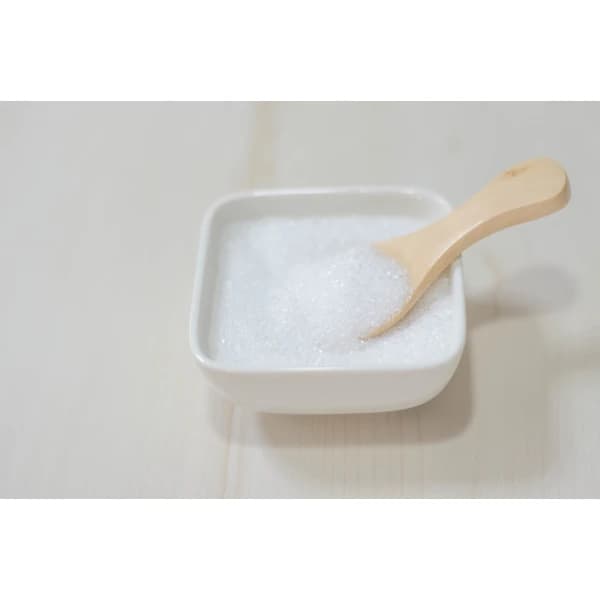
A magnesium sulfate hot bath at 104°F for 20 minutes mirrors sauna conditions for most of the key physiological responses — vasodilation, heat shock protein activation, and cardiovascular loading — at a fraction of the cost of commercial sauna access.
Amazon · Affiliate
Dr Teal's Pure Epsom Salt Soak (6 lbs)
4.8
Pure magnesium sulfate soak. Relieves sore muscles, reduces inflammation, and promotes relaxation post-workout.
$8–$16Check Price on Amazon
Heat Therapy Protocol
- Temperature: 80–100°C for Finnish sauna; 38–42°C for hot bath immersion
- Duration: 15–20 minutes per session; Finnish cohort studies use 15–30 min sessions
- Timing post-workout: Heat can be applied immediately post-exercise for recovery without the hypertrophy interference of cold; however, some practitioners prefer a 30–60 minute buffer to avoid core temperature conflict with cool-down
- Frequency: 3–7 times per week for cardiovascular benefits per Laukkanen data; 2–3 times per week is sufficient for recovery purposes
Myth vs. Reality
Myth 1: "Cold plunges reduce inflammation — inflammation is bad." Reality: Acute post-exercise inflammation is a required signaling event for muscle repair and growth. mTOR activation, satellite cell proliferation, and muscle protein synthesis all depend on this inflammatory milieu. CWI suppresses this process — which reduces soreness, but also attenuates the adaptation you're training for. Chronic systemic inflammation is harmful; acute exercise-induced inflammation is adaptive.
Myth 2: "Sauna is just relaxation — it doesn't do anything physiological." Reality: A 20-minute Finnish sauna session raises core temperature by 1–2°C, drives heart rate to moderate-aerobic levels, triggers heat shock protein synthesis, expands plasma volume, and initiates cardiovascular adaptations that, over repeated exposures, mirror those produced by aerobic training. It is a genuine physiological stressor with documented dose-dependent health outcomes in prospective cohort data spanning two decades.
Myth 3: "Cold plunges boost testosterone and growth hormone significantly." Reality: Some studies show transient hormonal responses to cold exposure, but these effects are acute, small in magnitude, and the research is inconsistent. The 2024 Piñero meta-analysis found no evidence of long-term hormonal amplification that translated into meaningfully greater hypertrophy. The testosterone claims commonly circulated on social media significantly outrun the data.
Blood Flow, Venous Return, and a Note on Compression
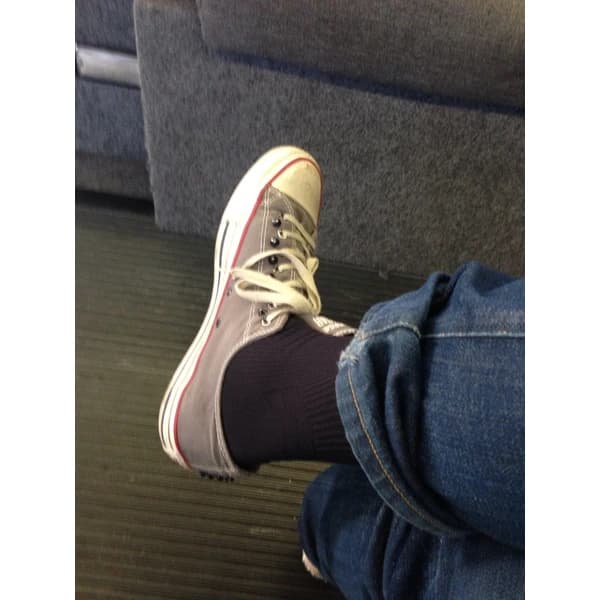
Both CWI and heat therapy are partly valued for their effects on circulatory dynamics — cold for reducing edema through vasoconstriction, heat for promoting nutrient delivery through vasodilation. It's worth noting that compression garments post-training produce similar venous return benefits to some cold immersion effects — specifically in reducing lower-limb edema and improving perceived recovery — without the hypertrophy trade-off that CWI carries.
Amazon · Affiliate
Physix Gear Sport Compression Socks (3-Pack)
4.6
20-30 mmHg graduated compression. Reduces soreness, swelling, and fatigue during and after exercise.
$14–$22Check Price on Amazon
For athletes who want improved venous return and reduced swelling without committing to either thermal modality, graduated compression is a low-cost, evidence-backed option.
The Sleep Connection
Both heat therapy and cold immersion ultimately improve recovery largely through better sleep. Sauna use before bed accelerates sleep onset by triggering the post-hyperthermia core temperature drop that signals the circadian system to initiate sleep. CWI has similar (though less studied) effects on sleep onset through its parasympathetic rebound.
Neither modality, however, replaces the foundational intervention for sleep quality in athletes: adequate dietary magnesium. Deficiency in magnesium — common in trained individuals due to sweat losses — impairs slow-wave sleep, increases nighttime cortisol, and reduces sleep efficiency in ways that compound across a training week.
Amazon · Affiliate
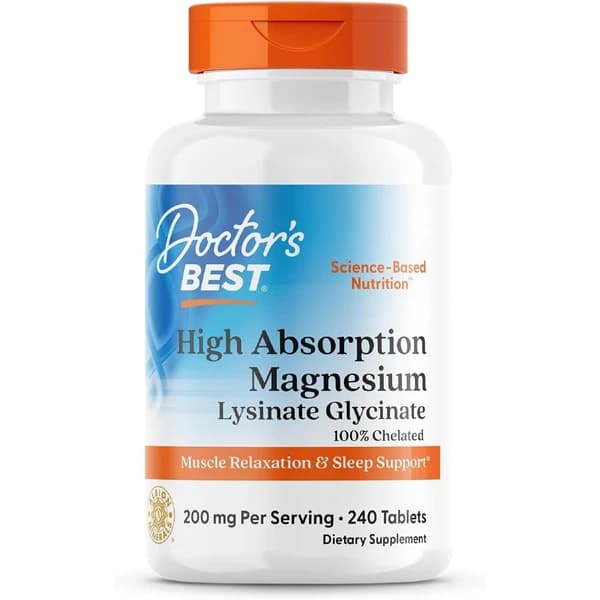
Doctor's Best High Absorption Magnesium Glycinate
4.7
Highly bioavailable magnesium chelate. Supports muscle relaxation, deep sleep, stress reduction, and recovery.
$12–$22Check Price on Amazon
If you're debating between a cold plunge setup and an Epsom salt bath for recovery, the honest answer is that oral magnesium glycinate before bed will do more for your recovery through sleep quality than either thermal modality — and it costs less per month.
Decision Table: Which Modality for Your Goal?
| Training Goal | Recommended Modality | Protocol | |---|---|---| | Muscle hypertrophy | Heat therapy (or nothing) | Hot bath or sauna 3–4x/week; avoid post-RT CWI | | DOMS relief, back-to-back training | Cold water immersion | 10–15°C, 15 min, within 2h post-session | | Cardiovascular health/longevity | Heat therapy (sauna) | 4–7x/week, 15–20 min, Finnish or infrared | | Endurance performance | Heat acclimation or contrast | Post-session sauna 3x/week, or alternating hot/cold | | Mental health/stress | Heat therapy (primary) | 3–4x/week sauna; CWI morning protocol for acute mood | | General athletic recovery | Heat therapy (default) | 3x/week hot bath or sauna; CWI selectively for competition prep | | Competition performance the next day | Cold water immersion | Single session, night before or morning of |
The Contrarian Take Most Coaches Won't Say
For most recreational athletes focused on muscle building, a hot bath with Epsom salts has better evidence than a cold plunge — and most people don't know this because influencers don't make hot baths look cool.
The cold plunge aesthetic — the gasping, the stoicism, the ice — performs extraordinarily well on social media. The hot bath does not. But the research increasingly favors heat for athletes whose primary goal is building muscle, improving cardiovascular health, and managing long-term recovery. The cold plunge peaked as a trend in 2023–2024; the 2024 meta-analysis literature has now put real numbers on what was previously a mechanistic concern.
This is not an argument against cold therapy categorically. CWI is a legitimate tool. But it is a specific tool, best suited for specific contexts — primarily competition prep, back-to-back training, and acute DOMS management. As a daily or default recovery protocol for a hypertrophy-focused athlete, the evidence no longer supports it.
Final Thoughts
The research increasingly supports a simple, goal-dependent framework:
If you're training for muscle, skip the cold plunge post-workout. If you're training for general health and longevity, the evidence increasingly favors regular heat exposure.
CWI has genuine value for endurance athletes, competition contexts, and acute soreness management. Heat therapy has broader, better-evidenced benefits for muscle-building athletes, cardiovascular health, mental wellbeing, and recovery without the hypertrophy trade-off.
The most honest summary of where the science sits in 2025–2026: cold immersion research has become more nuanced and, for resistance-trained athletes, more cautionary; heat therapy research has become more expansive and consistently positive across multiple outcome domains.
Choose your tool based on your actual goal — not based on what gets the most views.
Affiliate disclosure: Some links in this article are affiliate links. If you purchase through them, we may earn a small commission at no extra cost to you. We only recommend products we genuinely believe in.
About the author
Nathan reviews the research, tests the tools, and writes the guides at LeanBodyEngine — evidence-first, no sponsored content, no supplement shilling.
Related articles

Subscribe
Never miss a new article
Get an email whenever we publish a new fitness guide, supplement review, or workout plan. One short email per post — that's it.
Unsubscribe anytime. We only email when there's a new post.