
Breathing Techniques for Stress Relief: 7 Methods That Actually Work
7 breathing techniques for stress relief — box breathing, 4-7-8, and more. Science-backed methods to lower cortisol in minutes, for beginners.
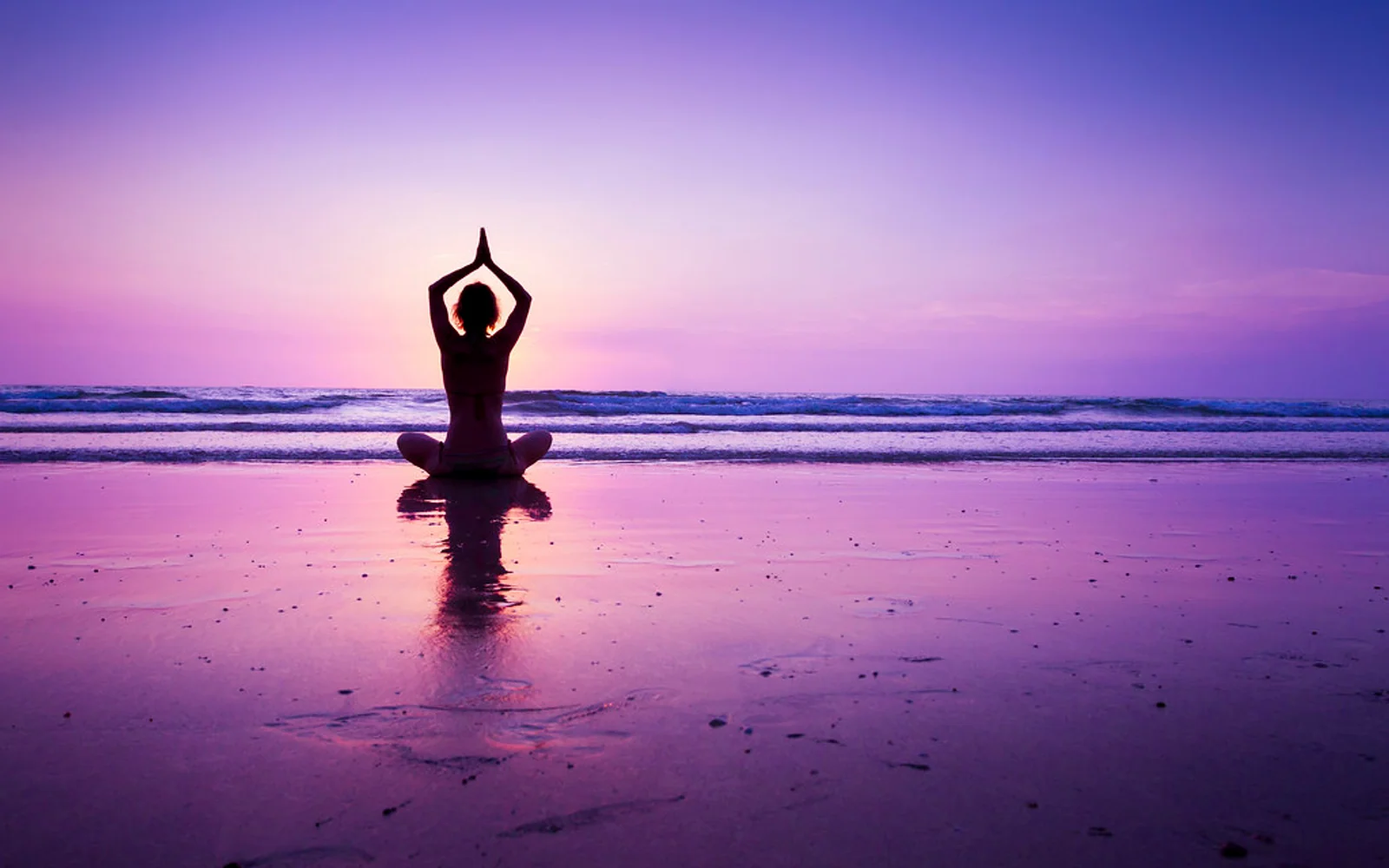
If your shoulders live near your ears and your jaw clenches before you even open your laptop, you're not alone — chronic stress is one of the most common health complaints in modern life. The good news is that some of the most effective breathing techniques for stress relief require no equipment, no app, and no experience. In the next few minutes, you'll learn 7 science-backed methods used by Navy SEALs, yoga teachers, anxiety researchers, and sleep specialists — and the exact pace and posture that make each one work.
Breath is the one part of your autonomic nervous system you can consciously override. That's why it's the fastest "off switch" you have for the fight-or-flight response.
Key Takeaways
- Structured breathwork at 5.5 breaths/min (resonant breathing) maximizes heart rate variability (HRV), the gold-standard marker of nervous-system resilience, more than any other breath rate.
- A 2023 Stanford study (Cell Reports Medicine) found 5 minutes of daily cyclic sighing produced greater anxiety reduction than box breathing or mindfulness meditation after 30 days.
- Diaphragmatic breathing practiced daily for 8 weeks lowered cortisol by an average of 15% in high-stress adults (Frontiers in Psychology, 2017).
- A single 5-minute breathwork session produces measurable HRV improvements — benefits don't require weeks of training to begin.
- Box breathing (4-4-4-4) was shown to reduce cortisol and improve attention in healthy adults after just 20 minutes of practice (Frontiers in Human Neuroscience, 2017).
- Coherent breathing for 12 weeks matched standard exercise for reducing depression scores (Journal of Alternative and Complementary Medicine, 2017).
Why Breathing Techniques for Stress Relief Actually Work
Stress activates the sympathetic nervous system — racing heart, shallow chest breathing, cortisol spikes. Slow, deliberate breathing does the opposite: it stimulates the vagus nerve and activates the parasympathetic ("rest and digest") response.
A 2023 meta-analysis published in Scientific Reports reviewed 12 randomized controlled trials and concluded that structured breathwork produced significantly larger reductions in self-reported stress than mindfulness meditation alone. Even a single 5-minute session has measurable effects on heart rate variability (HRV), a key marker of nervous-system resilience.
Dr. Andrew Huberman, neuroscientist at Stanford, has popularized what he calls the "physiological sigh" (technique #6 below) as the fastest known way to reduce acute stress in real time — sometimes in under 60 seconds.
You don't need to master all seven. Pick one, practice it for a week, and see how your body responds.
Technique Comparison at a Glance
| Technique | Breath Rate | Session Length | Best For | Evidence Grade | |---|---|---|---|---| | Box Breathing | ~4 breaths/min | 4–5 min | Pre-performance calm | A (RCT support) | | 4-7-8 Breathing | ~3 breaths/min | 2–3 min | Sleep onset, anxiety | B+ (clinical trial) | | Diaphragmatic | ~6–8 breaths/min | 5–10 min | Chronic stress, posture | A (meta-analysis) | | Alternate Nostril | ~4 breaths/min | 5–10 min | Focus, blood pressure | B (controlled study) | | Resonant/Coherent | 5.5 breaths/min | 10 min | Daily HRV practice | A (multiple RCTs) | | Physiological Sigh | ~1–2 sighs | 1–2 breaths | Acute stress reset | A (Stanford RCT) | | Lion's Breath | Variable | 1–2 min | Jaw/facial tension, catharsis | C (pilot study) |
The LBE 3-Tier Breathing Protocol
Not every moment of stress is the same. This framework matches the right technique to the right intensity — so you're never guessing which tool to reach for.
Tier 1 — Emergency Reset (under 2 minutes) For acute spikes: a meeting starting now, traffic, sudden anxiety. Use the Physiological Sigh or Lion's Breath. Speed is the goal; no setup required.
Tier 2 — Active Regulation (2–10 minutes) For moderate, ongoing stress that needs a deliberate pause. Use Box Breathing, 4-7-8, or Alternate Nostril Breathing. Structured counts guide the nervous system down progressively.
Tier 3 — Daily Maintenance (10+ minutes) For long-term resilience and cortisol management. Use Resonant/Coherent Breathing or Diaphragmatic Breathing. These are the "training" sessions that raise your baseline HRV over weeks.
Protocol Reference Table
| Technique | Inhale (sec) | Hold (sec) | Exhale (sec) | Reps / Duration | |---|---|---|---|---| | Box Breathing | 4 | 4 | 4 + hold 4 | 4–5 min | | 4-7-8 Breathing | 4 | 7 | 8 | 4 cycles | | Diaphragmatic | 4 | 0 | 6 | 5–10 min | | Alternate Nostril | 4 (per side) | 0 | 4 (per side) | 5–10 rounds | | Resonant/Coherent | 5.5 | 0 | 5.5 | 10 min | | Physiological Sigh | 2 + 1 (double) | 0 | 6–8 (slow) | 1–5 sighs | | Lion's Breath | 4 | 0 | Forceful "haaaaa" | 3–5 reps |
1. Box Breathing (The Navy SEAL Method)
Box breathing — also called square breathing or tactical breathing — is the technique U.S. Navy SEALs are trained to use before high-stakes operations. The pattern is beautifully simple: inhale 4 seconds, hold 4, exhale 4, hold 4. Repeat for 4–5 minutes.
A 2017 study in Frontiers in Human Neuroscience found that just 20 minutes of box-style breathing reduced cortisol levels and significantly improved attention in healthy adults. Because each phase is equal, it's one of the easiest patterns for beginners to memorize under stress.
Try it when: You're walking into a meeting, sitting in traffic, or lying awake at 2 a.m.
2. 4-7-8 Breathing (Dr. Weil's Sleep Technique)
Developed by Dr. Andrew Weil of the University of Arizona, the 4-7-8 method is specifically designed to slow the heart rate and ease you into sleep. Inhale through the nose for 4 seconds, hold for 7, exhale through the mouth for 8. Complete 4 cycles.
The extended exhale is the magic ingredient — longer exhales than inhales are consistently linked to parasympathetic dominance. Dr. Weil has called 4-7-8 "the most powerful anti-anxiety measure I've ever encountered," and a 2022 clinical trial in Complementary Therapies in Clinical Practice found it reduced symptoms of insomnia in 71% of participants after 8 weeks.
Try it when: You can't fall asleep or you feel anxiety rising.
3. Diaphragmatic (Belly) Breathing
Most stressed adults are chest breathers — short, shallow breaths that keep the sympathetic system locked on. Diaphragmatic breathing retrains you to breathe from the belly, the way you did as a baby.
Lie down, place one hand on your chest and one on your belly. Breathe in through the nose for 4 seconds, letting only the belly hand rise. Exhale slowly through pursed lips for 6 seconds. A 2017 study in Frontiers in Psychology found that 8 weeks of daily diaphragmatic breathing reduced cortisol by an average of 15% in participants with high baseline stress.
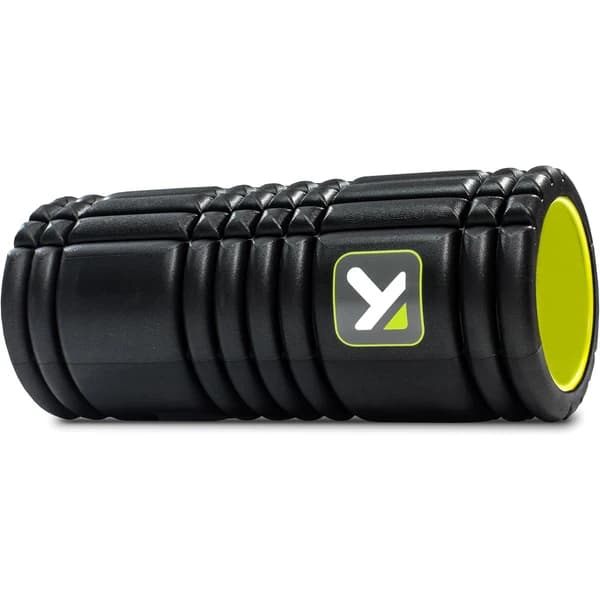
Before your breathwork session, it helps to release physical tension in the body — tight traps, a stiff upper back, and knotted hips all work against deep belly breathing. A foam roller takedown of your thoracic spine and lats takes 3–4 minutes and dramatically opens up your breathing capacity.
Amazon · Affiliate
TriggerPoint GRID Foam Roller
4.7
Multi-density foam roller for muscle recovery and myofascial release. Used by pro athletes.
$30–$40Check Price on Amazon
Try it when: You notice your shoulders hunched up or your breathing shallow during work.
4. Alternate Nostril Breathing (Nadi Shodhana)
Borrowed from classical yoga, alternate nostril breathing balances the two hemispheres of the nervous system. Close your right nostril with your thumb, inhale through the left for 4 seconds. Close the left with your ring finger, release the right, and exhale for 4. Inhale right, switch, exhale left. That's one round — do 5 to 10.
A 2013 study in the International Journal of Yoga showed that 10 minutes of alternate nostril breathing significantly lowered blood pressure and perceived stress in young adults. Clinical yoga therapists often recommend it before exams, presentations, or any task requiring focused calm.
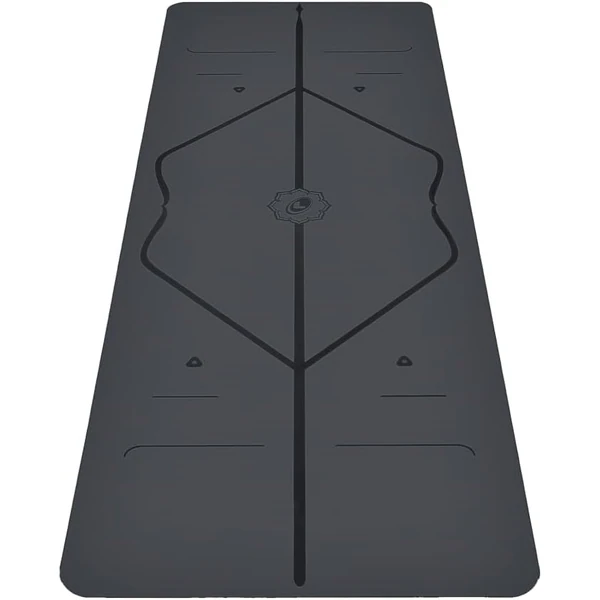
This practice works best seated on the floor with a straight spine — a stable, non-slip surface helps you stay grounded without fidgeting, and a good mat keeps your hips and knees comfortable for the full session.
Amazon · Affiliate
Manduka PRO Yoga Mat
4.8
Lifetime guarantee yoga mat with supreme cushioning. 6mm thick, non-slip surface, eco-friendly.
$80–$120Check Price on Amazon
Try it when: Your mind is racing and you need to focus.
5. Resonant (Coherent) Breathing
Resonant breathing — also called coherent breathing — aims for 5.5 breaths per minute: roughly 5.5 seconds in, 5.5 seconds out. At this specific pace, heart rate variability hits its peak, which is associated with better emotional regulation and cardiovascular health.
Dr. Richard Brown, author of The Healing Power of the Breath, has documented reductions in PTSD symptoms, depression, and anxiety in participants who practiced coherent breathing for just 10 minutes twice a day. A 2017 study in the Journal of Alternative and Complementary Medicine found that 12 weeks of resonant breathing was as effective as standard exercise for reducing depression scores.
Try it when: You want a steady daily practice — this one is the "multivitamin" of breathwork.
6. The Physiological Sigh (Fastest Real-Time Reset)
Popularized by Stanford's Dr. Andrew Huberman, the physiological sigh is the body's built-in stress-release mechanism — you've done it spontaneously after crying. It's a double inhale through the nose, followed by a long, slow exhale through the mouth.
In a 2023 study from Stanford University published in Cell Reports Medicine, researchers compared cyclic sighing against mindfulness meditation and box breathing. After 30 days of daily 5-minute practice, the cyclic sighing group showed the greatest reduction in anxiety and the biggest improvements in mood.
The mechanism: the second inhale re-inflates tiny collapsed alveoli in the lungs, and the long exhale dumps CO₂ and slows heart rate — all within 1–2 breaths.
Try it when: You need relief in under 60 seconds.
7. Lion's Breath (Simhasana Pranayama)
Lion's breath is the loudest, weirdest technique on this list — and also one of the most cathartic. Kneel or sit cross-legged, inhale deeply through the nose, then open your mouth wide, stick out your tongue, and exhale forcefully with a "haaaaa" sound. Repeat 3–5 times.
Beyond feeling ridiculous (in a good way), lion's breath releases tension in the jaw, throat, and face — areas where many people unconsciously store chronic stress. A 2020 pilot study from the Journal of Ayurveda and Integrative Medicine found that a 4-week simhasana-inclusive pranayama program significantly reduced anxiety scores and self-reported jaw tension in adults with stress-related bruxism.
Try it when: You feel bottled-up frustration or you've been clenching your jaw all day.
How to Build a Daily Breathwork Habit
Seven techniques is more than you need. Here's a simple starter week using the LBE 3-Tier Breathing Protocol:
- Morning — Tier 3 (5 min): Resonant breathing — builds HRV baseline over time
- Midday — Tier 1 (1 min): Physiological sigh when stress spikes unexpectedly
- Evening — Tier 2 (5 min): 4-7-8 or box breathing to wind down before bed
Track how you feel on a 1–10 stress scale before and after each session. Most people see noticeable shifts within 7–10 days. According to the American Institute of Stress, even 10 minutes of daily breathwork is associated with long-term reductions in anxiety symptoms.
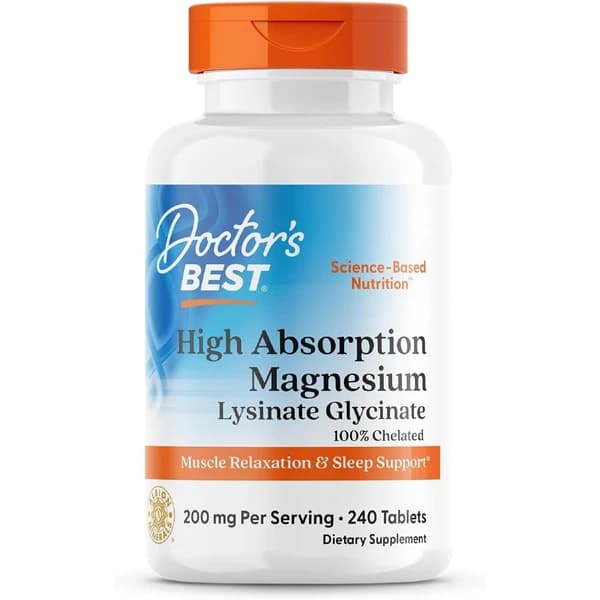
If you want a deeper reset, pair breathwork with gentle movement — slow yoga flows or even 5 minutes of mobility work amplify the parasympathetic response far beyond either practice alone. Many people also find that magnesium glycinate taken in the evening works synergistically with breathwork to support a calm nervous system and deeper sleep.
Amazon · Affiliate
Doctor's Best High Absorption Magnesium Glycinate
4.7
Highly bioavailable magnesium chelate. Supports muscle relaxation, deep sleep, stress reduction, and recovery.
$12–$22Check Price on Amazon
Final Thoughts
The best breathing technique for stress relief is the one you'll actually do. Start with whichever pattern sounds most doable — box breathing for structure, the physiological sigh for speed, 4-7-8 for sleep — and practice it daily for a week before adding anything else. Your nervous system rewards consistency more than complexity.
Use the LBE 3-Tier Breathing Protocol as your map: keep a Tier 1 tool ready for acute moments, a Tier 2 tool for deliberate pauses, and a Tier 3 practice for long-term resilience. After a few weeks, lowering your stress response becomes less of an effort and more of a reflex.
Ready to go deeper into recovery and wellness? Check out our guide on how to recover faster after workout and our beginner-friendly home workout guide to build a movement practice that actually calms the body. And if you'd like weekly science-backed wellness tips delivered straight to your inbox, join the LeanBodyEngine newsletter — one email, zero noise.
Breathe in. Breathe out. You've got this.
Affiliate disclosure: Some links in this article are affiliate links. If you purchase through them, we may earn a small commission at no extra cost to you. We only recommend products we genuinely believe in.
Frequently asked
Questions people ask about this
Which breathing technique works fastest for acute stress?
The physiological sigh — a double inhale through the nose followed by a long exhale through the mouth — can produce noticeable calm in under 60 seconds. A 2023 Stanford study in Cell Reports Medicine found 5 minutes of daily cyclic sighing outperformed both box breathing and mindfulness meditation for anxiety reduction.
Which breathing technique is best for sleep?
Dr. Andrew Weil's 4-7-8 method is specifically designed for sleep: inhale through the nose for 4 seconds, hold for 7, exhale through the mouth for 8. The long exhale triggers parasympathetic (rest-and-digest) activation. A 2022 clinical trial found it reduced insomnia symptoms in 71% of participants after 8 weeks.
How long do I need to practice breathwork to see results?
Even a single 5-minute session produces measurable shifts in heart rate variability. Most people report noticeable stress reductions within 7–10 days of daily practice. The American Institute of Stress links 10 minutes of daily breathwork to long-term anxiety reduction.
Do I need to meditate or learn yoga first?
No. All 7 techniques in this guide work without any meditation background. Box breathing and the physiological sigh are specifically designed to be used anywhere — in traffic, before a meeting, or lying in bed — with zero prior training.
Is breathwork safe for everyone?
Slow, gentle breathing is safe for most healthy adults. However, people with cardiovascular conditions, respiratory issues, pregnancy complications, or a history of panic disorder should consult a physician before starting intense breath-hold practices like 4-7-8 or Wim Hof–style breathwork.
About the author
Nathan reviews the research, tests the tools, and writes the guides at LeanBodyEngine — evidence-first, no sponsored content, no supplement shilling.
Related articles

Subscribe
Never miss a new article
Get an email whenever we publish a new fitness guide, supplement review, or workout plan. One short email per post — that's it.
Unsubscribe anytime. We only email when there's a new post.