
How to Recover Faster After a Workout: 8 Science-Backed Tips
Learn how to recover faster after a workout with 8 science-backed tips covering sleep, nutrition, mobility, and the tools that actually move the needle.
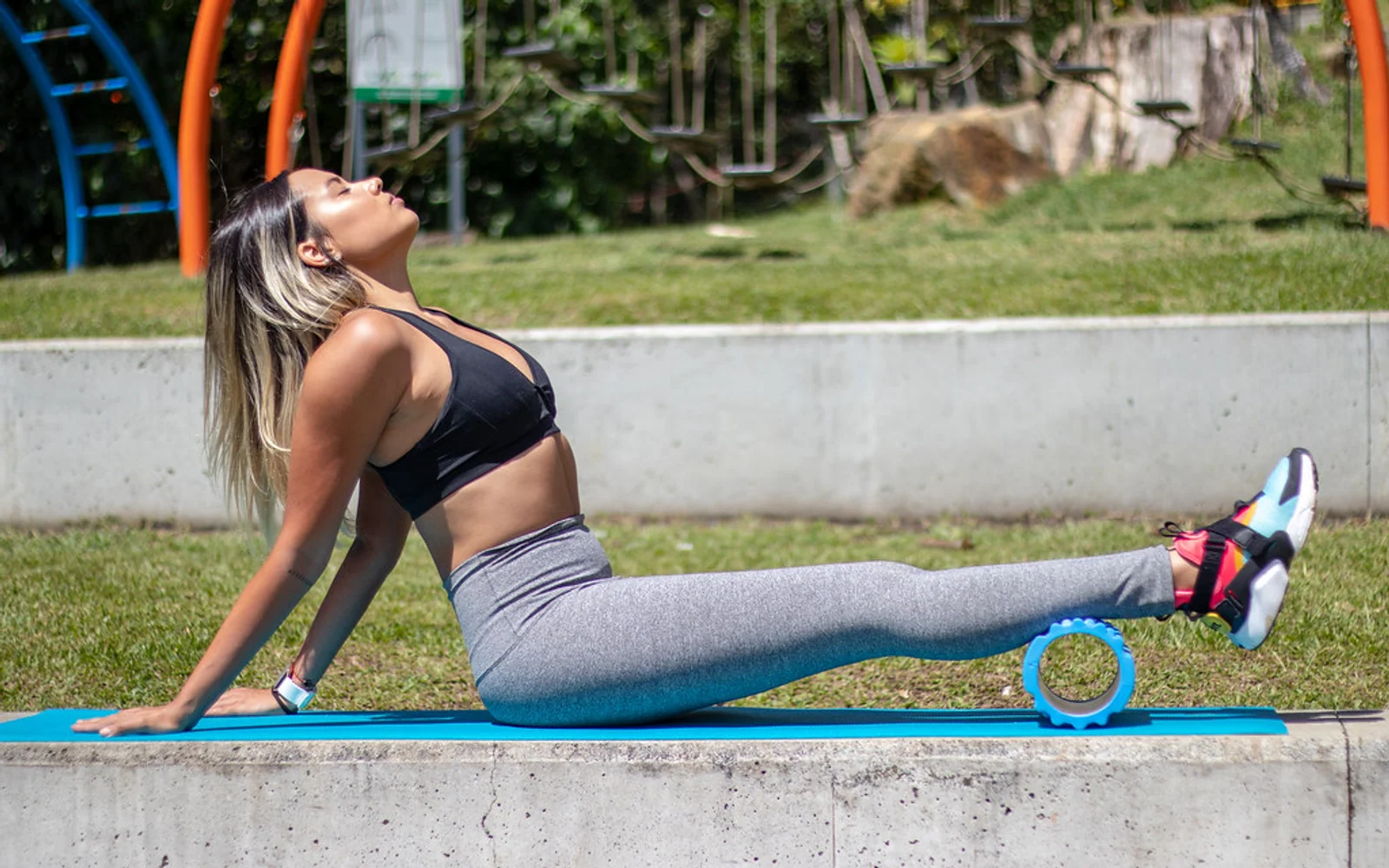
Training doesn't make you stronger — recovering from training does. Muscle repairs, connective tissue rebuilds, and the nervous system resets during the hours after your session, not during it. If you're chronically sore, perpetually tired, or watching your numbers stall, the problem is almost never "more workouts." It's smarter recovery. Here are eight evidence-backed tips for how to recover faster after a workout — the exact habits and tools that separate people who plateau from people who progress.
Key Takeaways
- Muscle protein synthesis peaks within a 2–3 hour post-workout window — hitting 0.3–0.4 g protein per kg bodyweight in that window measurably accelerates repair
- Sleep is the single highest-ROI recovery intervention: less than 6 hours raises cortisol by ~60% and tanks testosterone by ~40%, directly stalling adaptation
- Acute inflammation after training is necessary — it peaks at 24–72 hours post-session (DOMS window) and should be managed, not suppressed
- Magnesium glycinate taken 30–60 minutes before bed improves deep sleep quality and reduces nighttime cortisol — timing matters
- HRV (heart rate variability) is the most reliable daily readiness signal; a drop of more than 10–15% from your rolling baseline is a clear signal to deload
- Zone 2 active recovery cuts DOMS duration by ~20% versus passive rest, without adding meaningful training stress
1. Prioritize Sleep Above Everything Else
If you only change one thing on this list, change this one. A 2019 study in the Journal of Sleep Research found that athletes sleeping under 6 hours had 60% higher cortisol levels and 40% lower testosterone than those sleeping 8+ hours — both hormonal signatures that wreck recovery.
Actionable rules:
- Fixed wake time 7 days/week (variance under 30 min)
- Cool room (65–68°F) and blackout curtains
- Caffeine cutoff at 2 PM
- No screens in the final 30 minutes before bed
Expert tip: sleep researcher Matthew Walker (Why We Sleep) calls sleep "the greatest legal performance-enhancing drug most athletes are ignoring." The statistic he points to most: a single night at 4–5 hours drops maximum strength output by roughly 10%.
2. Get Protein Within 3 Hours
The old "30-minute anabolic window" is dead — but a wider 2–3 hour post-workout window for protein intake does matter. A 2022 meta-analysis confirmed that hitting 0.3–0.4 g protein per kg bodyweight at your post-workout meal accelerates muscle protein synthesis versus skipping or under-eating.
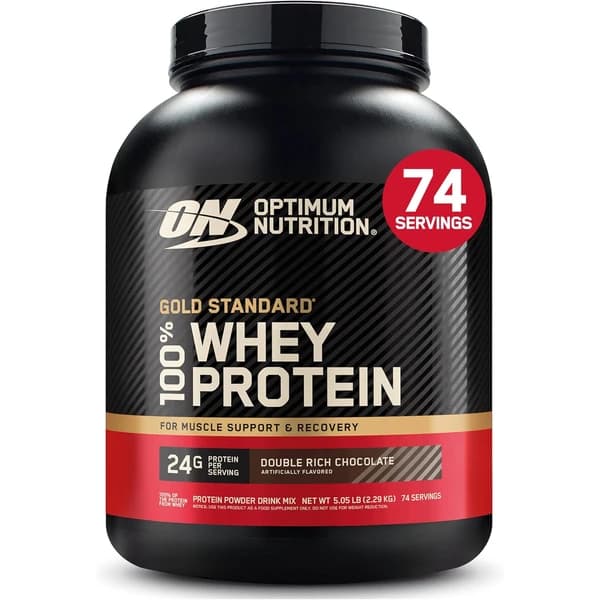
For a 160 lb lifter, that's ~22–29 g of quality protein. A chicken breast, four eggs, or one scoop of whey all cover it. The single easiest win — especially if you train right before work or sleep — is a fast-digesting whey shake within an hour of your cooldown.
Amazon · Affiliate
Optimum Nutrition Gold Standard 100% Whey
4.8
The world's best-selling whey protein powder. 24g protein per serving, low sugar, mixes easily.
$30–$60Check Price on Amazon
3. Rehydrate With More Than Just Water
You lose 500–1500 ml of fluid per hour of training, along with sodium, potassium, and magnesium. Drinking only water can actually worsen recovery by diluting blood sodium further (the phenomenon marathon runners call hyponatremia).
Simple rehydration formula:
- ~500 ml water per hour of training
- Pinch of salt + squeeze of lemon (or an electrolyte packet)
- One potassium-rich food within a meal (banana, potato, avocado)
Aim for pale-yellow urine within 4 hours post-session as your rehydration checkpoint.
4. Foam Roll the Right Way
Self-myofascial release — foam rolling — doesn't literally "break up adhesions" like 2010s bro-science claimed. What it does do, per a 2019 Frontiers in Physiology review, is reduce perceived muscle soreness (DOMS) by 8–12% and temporarily improve range of motion, both of which let you train at full intensity sooner.
Beginner protocol (5–8 min post-workout):
- Quads — 60 seconds per leg
- Hamstrings — 45 seconds per leg
- Upper back — 60 seconds
- Glutes (seated on roller) — 60 seconds per side
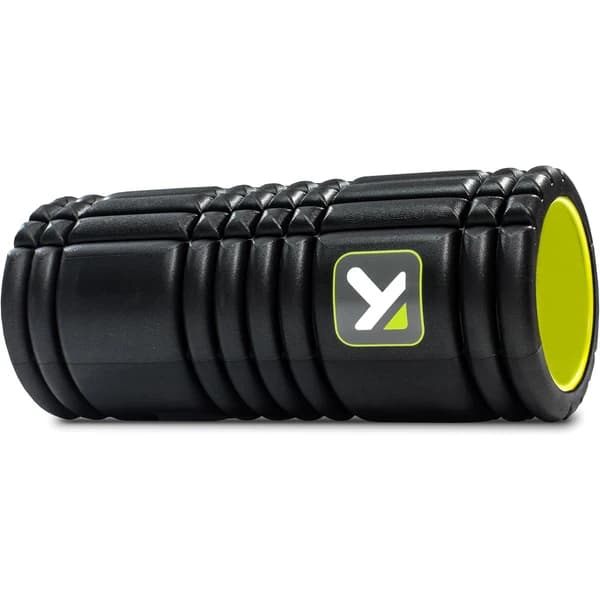
Pressure should register as uncomfortable but not sharp. A high-density roller maintains shape for years, unlike cheap foam that compresses flat after a month.
Amazon · Affiliate
TriggerPoint GRID Foam Roller
4.7
Multi-density foam roller for muscle recovery and myofascial release. Used by pro athletes.
$30–$40Check Price on Amazon
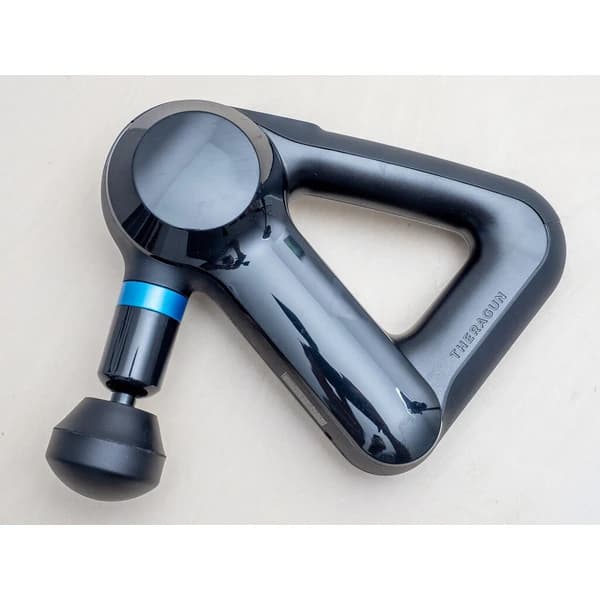
For deeper tissue work between sessions, a percussion massage gun reaches spots a roller can't and takes about 15 minutes to meaningfully reduce next-day soreness.
Amazon · Affiliate
RENPHO R3 Mini Massage Gun
4.5
5 speeds, 6 interchangeable heads, 50 lbs of percussion force. Ultra-quiet motor. Reaches deep tissue in 15 minutes.
$40–$65Check Price on Amazon
5. Do Zone 2 Cardio on Rest Days
Counter-intuitive but powerful: light cardio accelerates recovery between hard sessions. Easy zone-2 work (heart rate around 60–70% of max — you can hold a conversation) increases blood flow to damaged tissue, flushes metabolic byproducts, and improves mitochondrial density without creating additional training stress.
Rest-day template:
- 30–45 minutes of brisk walking, easy cycling, or swimming
- Keep it conversational — if you're gasping, slow down
- 2–3 rest days per week is enough
Studies on professional strength athletes show this "active recovery" cuts DOMS duration by roughly 20% versus passive rest.
6. Cover the Micronutrient Floor
Deficiencies in magnesium, zinc, iron, and vitamin D — all of which deplete faster under heavy training — directly stall recovery. A 2021 review in Nutrients showed that 47% of recreational lifters are below RDA on at least two micros.
You can fix this with food (magnesium from leafy greens and almonds, zinc from pumpkin seeds and oysters, vitamin D from fatty fish and sun), but targeted supplementation closes the gap on less-than-perfect weeks.
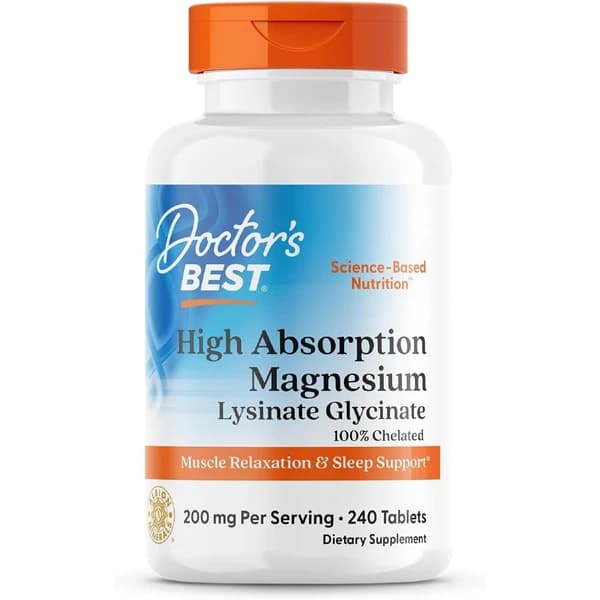
Expert tip: take fat-soluble vitamins (A, D, E, K) with your fattiest meal — absorption improves 30–50%. Magnesium glycinate specifically, taken 30–60 minutes before bed, supports deep sleep and overnight muscle relaxation.
Amazon · Affiliate
Doctor's Best High Absorption Magnesium Glycinate
4.7
Highly bioavailable magnesium chelate. Supports muscle relaxation, deep sleep, stress reduction, and recovery.
$12–$22Check Price on Amazon
7. Use Mobility Work as a Daily Reset
Static stretching right before heavy lifting reduces force output by roughly 5%, per multiple studies — but doing it at a separate time, or as a post-workout cooldown, improves recovery and tissue quality.
10-minute evening mobility routine:
- 90/90 hip stretch — 60 sec/side
- Thoracic extensions over a roller — 90 sec
- Couch stretch (hip flexors) — 60 sec/side
- Child's pose to cobra flow — 10 reps
- Hamstring floor stretch — 60 sec/side
Compression socks worn during the first 2–3 hours post-workout (or during long travel days) also offer modest but real circulatory benefits that stack with mobility work.
Amazon · Affiliate
Physix Gear Sport Compression Socks (3-Pack)
4.6
20-30 mmHg graduated compression. Reduces soreness, swelling, and fatigue during and after exercise.
$14–$22Check Price on Amazon
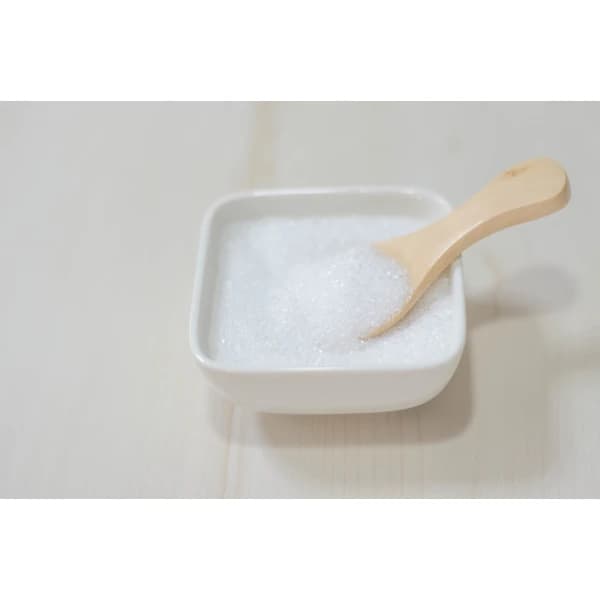
An Epsom salt soak 2–3 times per week adds magnesium transdermally and provides a genuine relaxation signal that lowers evening cortisol — making it easier to fall into deep sleep.
Amazon · Affiliate
Dr Teal's Pure Epsom Salt Soak (6 lbs)
4.8
Pure magnesium sulfate soak. Relieves sore muscles, reduces inflammation, and promotes relaxation post-workout.
$8–$16Check Price on Amazon
8. Manage Stress Like It's a Workout Variable
Chronic life stress elevates cortisol, suppresses testosterone, and directly impairs muscle protein synthesis. A 2014 study in the Journal of Strength & Conditioning Research tracked 31 lifters and found that those under high life stress recovered strength 38% slower between sessions, even with identical training loads.
Low-effort interventions that work:
- 10 minutes of morning sunlight (anchors circadian rhythm)
- 4-7-8 breathing x 4 cycles before bed
- Two 10-minute walks per day (broken into movement + nature)
- One "no phone" meal per day
None of these are glamorous. All of them are supported by RCTs.
The LBE Recovery Hierarchy
Not all recovery inputs are equal. The hierarchy below ranks methods by return on investment — the ratio of measurable adaptation gain to time, cost, and effort required.
| Tier | Method | Why It Ranks Here | |------|--------|-------------------| | S — Foundation | Sleep (7.5–9 hrs) | Governs every downstream hormonal, neural, and muscular process. No substitute. | | S — Foundation | Post-workout protein (0.3–0.4 g/kg) | Directly fuels muscle protein synthesis during the critical repair window. | | A — High ROI | Hydration + electrolytes | Cheap, fast, and dramatically affects next-day performance. Ignored constantly. | | A — High ROI | Micronutrient floor (Mg, Zn, D3) | Deficiencies silently blunt recovery; fixing them costs <$1/day. | | B — Meaningful | Zone 2 active recovery | Cuts DOMS ~20%, zero cost, no equipment required. | | B — Meaningful | Foam rolling / massage gun | 8–12% DOMS reduction; time-efficient with the right protocol. | | C — Additive | Mobility work | Improves tissue quality over weeks; injury prevention payoff compounds. | | C — Additive | Epsom salt soaks / compression | Real but modest benefits; great for stacking on S/A-tier habits. | | D — Situational | Ice baths | Blunts hypertrophy ~30% in muscle-building phases; save for in-season. | | D — Situational | Saunas, red-light panels | Mild endurance and cardiovascular benefits; don't replace foundation tiers. |
Start at S. Build downward. Most lifters have D-tier tools and no S-tier habits.
Recovery Tool Comparison
| Tool | Mechanism | Time Investment | Evidence Grade | Est. Cost | |------|-----------|----------------|----------------|-----------| | Foam Roller | Myofascial release, blood flow | 5–10 min/session | B+ (solid RCT support) | $30–40 | | Percussion Massage Gun | Deep tissue percussive force, lactate clearance | 10–15 min/session | B (growing RCT base) | $40–65 | | Compression Socks | Graduated pressure, venous return | Passive (wear post-workout) | C+ (consistent small effects) | $14–22 | | Epsom Salt Soak | Transdermal magnesium, parasympathetic activation | 15–20 min/session | C (mechanistic + anecdotal) | $8–16 | | Magnesium Glycinate | Systemic Mg repletion, deep sleep support | <1 min/day | B (solid sleep + recovery RCTs) | $12–22 | | Whey Protein | Leucine-triggered MPS, amino acid delivery | <5 min/day | A (most-studied supplement) | $30–60 |
Nutrition Timing Table
| Window | What to Eat | Why | |--------|-------------|-----| | 0–30 min post-workout | Fast carbs (banana, white rice, sports drink) + electrolytes | Replenishes glycogen when GLUT-4 transporters are maximally active; replaces sodium/potassium lost in sweat | | 30–120 min post-workout | 20–40 g quality protein (whey, chicken, eggs) + complex carbs | Peak muscle protein synthesis window; leucine threshold triggers anabolic signaling | | 2–4 hrs post-workout | Full balanced meal (protein + carbs + vegetables) | Sustains elevated MPS and refills liver glycogen; key micronutrients absorbed with fat | | Evening (2–3 hrs pre-sleep) | Casein protein or cottage cheese, magnesium glycinate | Slow-release protein sustains overnight MPS; magnesium improves sleep architecture | | Morning of next training day | Moderate carbs + protein, hydration + electrolytes | Restores muscle glycogen before the next session; prevents starting in a depleted state |
Bonus: What Doesn't Work as Well as You Think
- Ice baths — recent research (McMaster, 2015) suggests post-workout cold plunges blunt hypertrophy gains by ~30% when done regularly. Save them for in-season competition, not muscle-building phases.
- Saunas — mild benefits for endurance adaptations and cardiovascular health, but don't replace sleep or protein.
- Compression gear — modest 2–5% reductions in perceived soreness; nice to have, not load-bearing.
- Super-expensive recovery tools — cryo chambers, red-light panels all have a narrow evidence base. The foam roller and magnesium do 90% of the work at 5% of the cost.
Putting It All Together: A Sample Recovery Day
7:00 AM — Wake, 10 min sunlight, hydrate with water + pinch of salt
12:00 PM — Walk outside for 15 min after lunch
5:00 PM — Zone 2 cardio (30 min easy bike or brisk walk)
6:00 PM — 10-minute mobility flow
7:00 PM — High-protein dinner, magnesium glycinate with meal or 30 min before bed
9:00 PM — Optional Epsom salt soak
9:30 PM — Screens off, 4-7-8 breathing
10:00 PM — Lights out (target 7.5–8.5 hours)
Do this twice a week and your next training block feels like a different sport.
Final Thoughts
Understanding how to recover faster after a workout is the lowest-risk, highest-ROI upgrade most lifters ever make. The LBE Recovery Hierarchy makes the priority order clear: sleep and protein are non-negotiable foundations, hydration and micronutrients are cheap high-leverage wins, and the tools (foam roller, massage gun, Epsom salts) add meaningful value once the foundation is solid.
Train hard — but train recoverable volumes, eat enough protein, sleep like it's your job, and layer in mobility and micronutrient support. The people who look like they "progress faster" aren't doing more — they're recovering more.
For the training side of the equation, pair this with our compound vs isolation exercises guide or subscribe to the LeanBodyEngine newsletter for weekly recovery and training breakdowns.
Affiliate disclosure: Some links in this article are affiliate links. If you purchase through them, we may earn a small commission at no extra cost to you. We only recommend products we genuinely believe in.
About the author
Nathan reviews the research, tests the tools, and writes the guides at LeanBodyEngine — evidence-first, no sponsored content, no supplement shilling.
Related articles


Subscribe
Never miss a new article
Get an email whenever we publish a new fitness guide, supplement review, or workout plan. One short email per post — that's it.
Unsubscribe anytime. We only email when there's a new post.