
Mediterranean Diet for Athletes: Complete Guide to Performance Eating
Learn how the Mediterranean diet boosts athletic performance, speeds recovery, and fuels endurance with science-backed nutrition strategies.
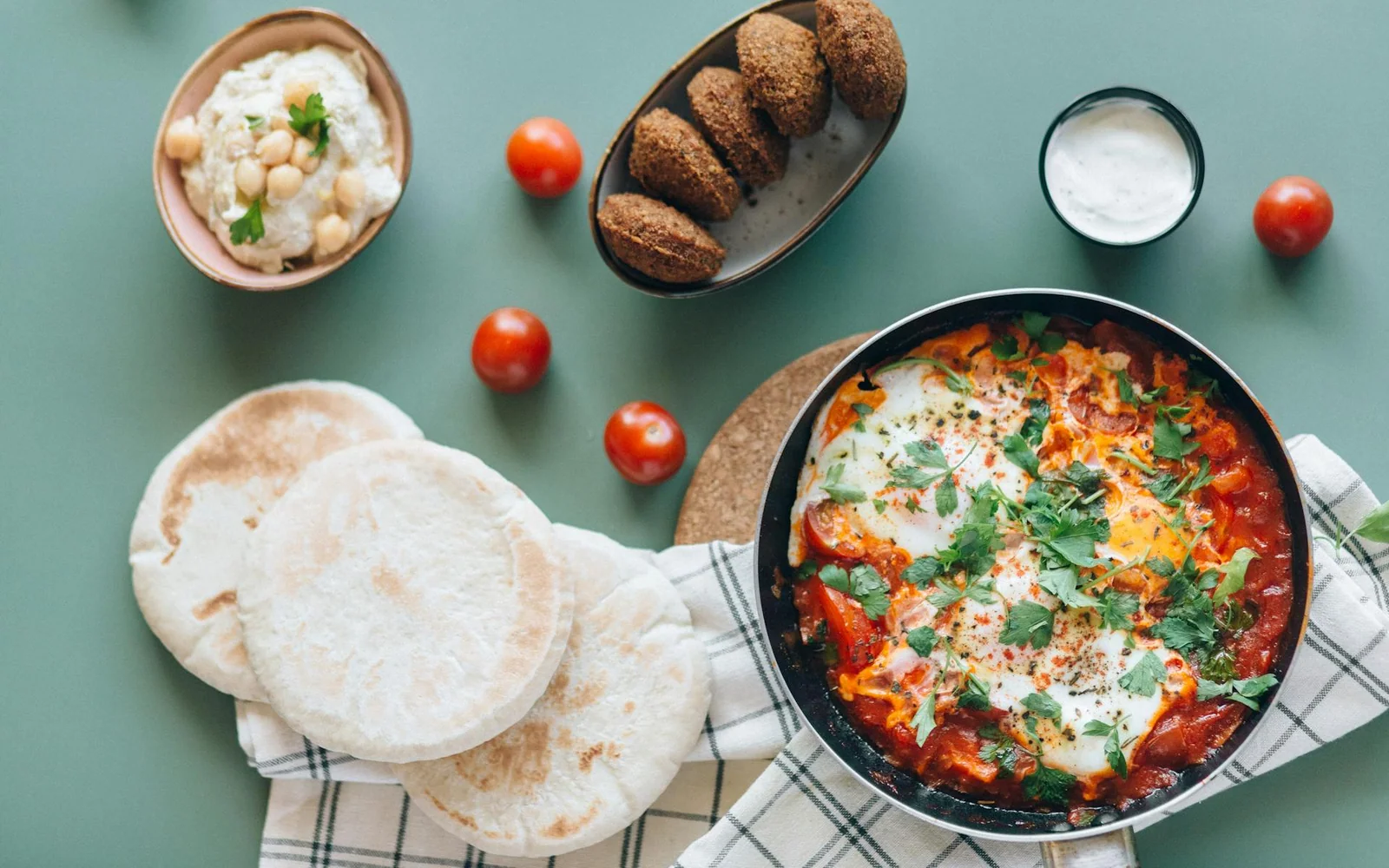
Athletes spend enormous energy optimizing training — but most overlook the one variable that determines how well that training converts into results: what they eat. Here's the surprising part: a dietary pattern developed in coastal villages thousands of years ago consistently outperforms modern sports nutrition protocols in peer-reviewed research. A 2022 meta-analysis in Nutrients found that Mediterranean diet adherence was associated with significantly better endurance performance, reduced exercise-induced inflammation, and faster recovery times compared to standard Western eating patterns.
This is your complete, beginner-friendly guide to using the Mediterranean diet as an athletic performance tool — not just a "healthy eating" plan.
Key Takeaways
- The Mediterranean diet provides the ideal macro ratio for athletes: ~40% carbohydrates, ~35% healthy fats, ~25% protein
- Anti-inflammatory omega-3s from fish and olive oil directly reduce exercise-induced muscle damage
- Polyphenol-rich foods (olives, berries, red wine) accelerate post-workout recovery at the cellular level
- Meal timing around workouts matters just as much as food quality
- Strategic supplementation fills the gaps the diet can't cover on high training volumes
- Consistent meal prep is the #1 predictor of long-term dietary adherence in athletes
What Is the Mediterranean Diet?
The Mediterranean diet is not a rigid meal plan — it is a pattern of eating derived from the traditional food cultures of countries bordering the Mediterranean Sea: Greece, Italy, Spain, Morocco, and Lebanon, among others. The diet was first characterized scientifically by Ancel Keys in the Seven Countries Study (1958), but it gained serious research attention after the landmark PREDIMED trial in 2013, which demonstrated a 30% reduction in major cardiovascular events among high-risk individuals who followed it.
For athletes, the relevant science goes beyond heart health. The diet is characterized by:
- High olive oil consumption as the primary fat source
- Abundant vegetables, legumes, and whole grains at every meal
- Frequent fish and seafood (2–4 times per week)
- Moderate poultry, eggs, and dairy (primarily Greek yogurt and cheese)
- Minimal red meat (a few times per month)
- Fresh fruit as dessert, rather than refined sweets
- Herbs and spices in place of salt
- Moderate red wine with meals (optional — athletes may skip)
What it is not: a low-fat diet, a low-carb diet, or a high-protein bodybuilder diet. It is a whole-food, nutrient-dense eating pattern that delivers performance nutrition as a byproduct of eating real food.
Mediterranean Diet vs. Standard Western Diet: Macros and Nutrients
The difference between the Mediterranean diet and the standard American diet (SAD) is stark when you look at it nutritionally:
| Nutrient | Mediterranean Diet | Standard Western Diet | |---|---|---| | Total Fat | 35–40% of calories | 34–38% of calories | | Saturated Fat | < 8% | 11–14% | | Monounsaturated Fat | 15–20% | 12–15% | | Omega-3 Fatty Acids | 2–3g/day | 0.5–1g/day | | Carbohydrates | 40–45% | 48–55% | | Refined Carbs / Added Sugar | < 10% | 20–30% | | Dietary Fiber | 25–35g/day | 10–15g/day | | Protein | 15–20% | 14–18% | | Antioxidant Polyphenols | Very high | Very low | | Sodium | Low–Moderate | Very high |
The key difference for athletes is not total macros — it is the quality of each macronutrient. Mediterranean carbohydrates come from whole grains, legumes, and vegetables, delivering slow-releasing energy with fiber. Mediterranean fats are dominated by anti-inflammatory monounsaturated and omega-3 fatty acids rather than saturated and trans fats. Even the protein sources (fish, legumes, lean poultry) carry additional anti-inflammatory and micronutrient benefits absent from processed meats.
Why Athletes Specifically Benefit from the Mediterranean Diet
Reduced Exercise-Induced Inflammation
Every hard training session causes controlled muscle damage — that is literally how you get stronger and fitter. But excessive or prolonged inflammation from that damage delays recovery, increases injury risk, and impairs adaptation.
Olive oil's primary polyphenol, oleocanthal, functions as a natural COX-1 and COX-2 inhibitor — the same mechanism as ibuprofen, but without the gut damage or kidney stress associated with chronic NSAID use. A 2019 study in the European Journal of Clinical Nutrition found that athletes consuming extra-virgin olive oil had significantly lower post-exercise IL-6 and TNF-alpha levels (key inflammation markers) compared to controls using refined oils.
Omega-3 fatty acids from fatty fish further suppress the inflammatory cascade. EPA and DHA directly compete with arachidonic acid for cyclooxygenase enzymes, reducing the production of pro-inflammatory prostaglandins. For athletes training 5–6 days per week, this means the baseline inflammation load stays lower, allowing more productive training sessions.
Superior Glycogen Replenishment
The carbohydrate quality on a Mediterranean diet matters for recovery. Whole grains and legumes have lower glycemic indices than the white bread, white rice, and sugary sports drinks that dominate the Western athlete's diet. Lower glycemic index foods produce more stable blood glucose levels, leading to:
- More consistent energy across training sessions
- Lower cortisol spikes during exercise
- Better insulin sensitivity over time (critical for body composition)
- Reduced oxidative stress from blood sugar swings
Research published in the Journal of the International Society of Sports Nutrition (2021) found that athletes on lower-glycemic-index carbohydrate sources showed 18% better insulin sensitivity after 8 weeks compared to athletes eating matched-calorie high-glycemic-index carbohydrates.
Antioxidant Defense Against Oxidative Stress
Intense exercise generates reactive oxygen species (ROS) that damage muscle cell membranes, mitochondria, and DNA. While some ROS are necessary signaling molecules for training adaptation, chronic oxidative stress impairs recovery and accelerates cellular aging.
The Mediterranean diet is the richest dietary pattern in antioxidant polyphenols: resveratrol in red wine and grapes, hydroxytyrosol in olive oil, anthocyanins in berries and cherries, and quercetin in onions, apples, and capers. A 2020 study in Antioxidants found that adherence to the Mediterranean diet was associated with 40% higher total antioxidant capacity in the blood compared to a control diet, after 12 weeks.
Gut Microbiome Health
A largely overlooked performance factor: your gut microbiome directly affects energy extraction from food, immune function, and even mood and motivation. The Mediterranean diet's high fiber content (25–35g/day) from vegetables, legumes, and whole grains feeds beneficial gut bacteria such as Lactobacillus and Bifidobacterium.
A 2019 study in Gut found that elite rugby players who shifted toward a Mediterranean eating pattern for 4 weeks showed significantly increased gut microbiome diversity and higher levels of short-chain fatty acid-producing bacteria — linked to better endurance and reduced body fat percentage.
The Core Mediterranean Foods for Athletes
Olive Oil — Your Primary Fat Source
Extra-virgin olive oil (EVOO) should be your default cooking and dressing fat. Use 2–4 tablespoons daily. Look for cold-pressed, first-extraction EVOO with a harvest date on the label (not just a "best by" date) — polyphenol content degrades with age and heat processing.
Key use: Drizzle over cooked vegetables, use as salad dressing base, finish grains and legumes.
Do not fear the calories. EVOO is calorie-dense (~120 kcal/tablespoon), but dietary fat from monounsaturated sources does not store as body fat preferentially. Studies consistently show that EVOO consumption does not cause weight gain at typical Mediterranean diet intake levels, and may actually support fat oxidation.
Fatty Fish — Your Anti-Inflammatory Protein
Salmon, sardines, mackerel, herring, and anchovies are the Mediterranean protein stars. Aim for 2–4 servings per week. Each 100g serving of salmon provides:
- ~20g of high-quality complete protein
- ~2–3g of EPA+DHA omega-3 fatty acids
- ~100% DV of Vitamin D
- ~80% DV of Vitamin B12
- ~50% DV of Selenium (critical for thyroid function and antioxidant enzyme production)
Canned sardines and mackerel are cost-effective alternatives with identical nutritional profiles to fresh fish. They also offer an advantage many athletes miss: canned sardines with bones provide ~35% DV of calcium per serving.
Legumes — Your Slow-Burn Carbohydrate Engine
Chickpeas, lentils, white beans, black beans, and fava beans are eaten daily in Mediterranean cultures. For athletes, legumes are uniquely valuable because they provide:
- Slow-releasing complex carbohydrates (GI 20–45)
- Plant-based protein (7–9g per 100g cooked)
- Resistant starch that feeds beneficial gut bacteria
- Iron, zinc, magnesium, and folate
A 200g serving of cooked lentils delivers 35g of complex carbohydrates, 18g of protein, and 15g of fiber — with only 230 calories. For pre-training meals eaten 2–3 hours before exercise, lentils and chickpeas provide sustained energy without the blood sugar crash common with refined carbohydrates.
Whole Grains — Complex Carbs Done Right
Quinoa, farro, bulgur wheat, barley, oats, and whole-grain bread are the Mediterranean grain staples. Unlike refined grains, they retain the bran and germ, providing:
- B vitamins (B1, B2, B3, B6) essential for energy metabolism
- Magnesium for muscle contraction and recovery
- Iron for oxygen transport
- Fiber for gut health and sustained energy
For athletes, quinoa deserves special attention: it is one of the only plant foods containing all nine essential amino acids, making it a complete protein source (8g protein per cooked cup) in addition to its 39g of complex carbohydrates.
Vegetables and Fruits — Micronutrient Density
Mediterranean eating emphasizes variety and abundance. Target at least 7–9 servings of produce per day:
- Leafy greens (spinach, arugula, kale): iron, folate, vitamin K
- Tomatoes: lycopene (anti-inflammatory antioxidant), vitamin C
- Peppers: highest vitamin C content of any vegetable
- Beets: dietary nitrates that improve exercise efficiency (meta-analysis: ~3% improvement in time-to-exhaustion)
- Citrus fruits: vitamin C, flavonoids, hydration
- Berries: anthocyanins that reduce muscle soreness (see: tart cherry research)
- Pomegranate: punicalagins that reduce exercise-induced oxidative stress
Nuts and Seeds — Convenient Performance Snacks
Walnuts (highest omega-3 content of any nut at ~2.5g ALA per ounce), almonds (magnesium, vitamin E), pistachios (most protein of any nut), and sunflower seeds (vitamin E, selenium) are Mediterranean staples eaten as snacks or added to meals.
A handful of mixed nuts (30g) makes an ideal pre-workout snack 30–60 minutes before moderate-intensity sessions: ~170 calories, 5g protein, 6g carbs, 15g healthy fats.
Mediterranean Diet Macros for Athletic Performance
The Mediterranean diet's natural macro ratio — approximately 40% carbohydrates, 35% fat, 25% protein — maps well to athletic needs, but you may need to adjust based on your sport and training intensity.
Calorie Targets by Activity Level
| Training Level | Daily Calories (70kg athlete) | Carbs | Protein | Fat | |---|---|---|---|---| | Recreational (3x/week) | 2,400–2,800 | 240–280g | 140–160g | 90–110g | | Intermediate (5x/week) | 2,800–3,200 | 280–320g | 160–185g | 105–125g | | Advanced (6x/week) | 3,200–3,800 | 320–400g | 185–210g | 120–150g | | Endurance athlete | 3,500–5,000+ | 400–600g | 150–180g | 130–170g |
For strength athletes, bump protein toward 1.6–2.2g/kg of body weight. For endurance athletes (runners, cyclists, triathletes), emphasize carbohydrates toward the higher end — the Mediterranean diet accommodates this beautifully because whole grains and legumes are already calorie-dense carbohydrate sources.
Protein Adequacy on the Mediterranean Diet
A common concern: can the Mediterranean diet deliver enough protein for muscle building? Yes — but it requires intentional food selection:
High-protein Mediterranean foods:
- Greek yogurt (plain, full-fat): 17–20g per 200g serving
- Cottage cheese: 25g per 200g serving
- Eggs: 6g each
- Canned tuna: 25g per 100g drained
- Grilled chicken breast: 31g per 100g
- Salmon: 20g per 100g
- Lentils: 9g per 100g cooked
- Chickpeas: 9g per 100g cooked
If you are training hard (5+ days/week) and building muscle, you may find it difficult to hit 2g/kg body weight purely from whole food Mediterranean sources. This is where a clean plant-based protein powder can fill the gap without compromising the diet's principles.
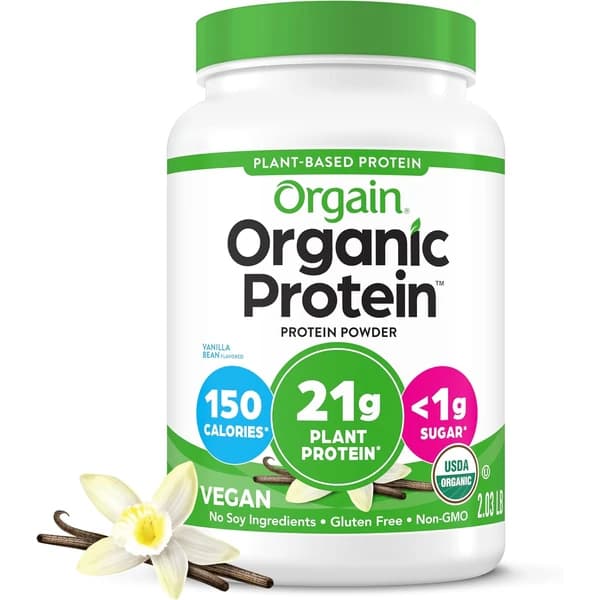
For athletes who need extra protein without heavy dairy or processed ingredients, Orgain Organic Protein Powder (plant-based, $20–$35) fits the Mediterranean ethos well — it is made from organic pea, brown rice, and chia seed proteins, providing 21g of complete protein per serving without artificial additives. It pairs naturally with almond milk and Mediterranean flavors like vanilla or chocolate hazelnut. With a 4.5-star rating and thousands of positive reviews, it is a reliable, clean option for bridging the protein gap.
Amazon · Affiliate
Orgain Organic Protein Powder (Plant-Based)
4.5
21g of organic plant protein per serving. Dairy-free, soy-free, non-GMO. Great for vegans and those with lactose intolerance.
$20–$35Check Price on Amazon
Meal Timing for Athletic Performance
What you eat matters — but when you eat it profoundly affects training quality, recovery speed, and body composition. The Mediterranean diet pairs seamlessly with strategic meal timing:
Pre-Workout Nutrition (2–3 Hours Before)
Goal: stable blood glucose, topped-up glycogen, no GI distress.
Ideal Mediterranean pre-workout meal:
- 1 cup cooked farro or quinoa
- 150g grilled chicken or salmon
- Large serving of roasted vegetables (zucchini, tomatoes, peppers)
- 1 tablespoon EVOO drizzle
- Total: ~550–650 kcal | ~55g carbs | 40g protein | 18g fat
This meal sits 2–3 hours before training. The complex carbohydrates fuel the session; the moderate protein primes muscle protein synthesis; the olive oil slows digestion without causing GI distress.
Pre-Workout Snack (30–60 Minutes Before)
For sessions within an hour of a light meal or when a full pre-workout meal is not possible:
- 1 small banana + 2 tablespoons of almond butter
- OR: handful of dates (3–4) + a few walnuts
- OR: small bowl of Greek yogurt with honey
These provide fast-releasing carbohydrates without excessive fiber that might cause digestive discomfort during exercise.
Intra-Workout Nutrition
For sessions under 60 minutes at moderate intensity: water is sufficient. For sessions over 90 minutes or high-intensity intervals:
- Natural electrolyte sources: coconut water, watermelon juice
- Quick carbohydrates: Medjool dates (27g carbs each), dried figs, or raisins
Mediterranean athletes have historically used figs as a training fuel — Greek Olympians reportedly ate them before competition. Modern research confirms they are an effective natural alternative to commercial sports gels.
Post-Workout Recovery Window (Within 30–45 Minutes)
The post-workout window is critical. Your muscles are primed to absorb nutrients — specifically 20–40g of fast-digesting protein and 40–60g of carbohydrates to replenish glycogen.
Mediterranean post-workout options:
- Greek yogurt (200g) with a banana and drizzle of honey
- 2–3 whole eggs scrambled with roasted sweet potato
- Grilled fish with white rice and roasted tomatoes
- Smoothie: Greek yogurt + banana + berries + 1 tbsp honey
If you cannot eat a full meal within 45 minutes of training, a protein supplement accelerates recovery without compromising the diet's integrity.
Evening Recovery Meal
Dinner is the largest Mediterranean meal. It should emphasize:
- Lean protein (fish, chicken, legumes)
- Abundant vegetables
- Moderate whole grains
- High-quality fats from olive oil, avocado, or nuts
Eating the largest meal in the evening is culturally Mediterranean — and it aligns with recovery biology, as growth hormone and muscle protein synthesis peak during nighttime sleep when amino acid availability is highest.
Mediterranean Meal Prep for Athletes: A Weekly System
The single biggest barrier to eating a Mediterranean diet as an athlete is time. Training schedules leave little room for elaborate daily cooking. The solution: Mediterranean-style batch cooking, which prepares versatile components that assemble into multiple meals throughout the week.
The 5-Component Meal Prep System
Spend 2 hours on Sunday preparing five base components:
- Protein batch: Bake 1–1.5kg of salmon fillets or chicken thighs seasoned with lemon, garlic, and herbs
- Grain batch: Cook 3–4 cups of dry quinoa, farro, or barley
- Legume batch: Cook 2 cups of dried lentils or chickpeas (or use BPA-free canned)
- Roasted vegetables: 2 large sheet pans of seasonal vegetables — zucchini, peppers, tomatoes, eggplant, broccoli
- Sauce/dressing: Tahini-lemon dressing, simple EVOO-herb vinaigrette, or tzatziki
These five components combine into 15–20 distinct meals. Monday's grain bowl with salmon becomes Tuesday's lentil-vegetable soup, Wednesday's stuffed pepper, and Thursday's grilled chicken over greens. Variation comes from different spice profiles and vegetable combinations, not from cooking from scratch every night.
The Right Storage System Matters
Glass containers are far superior to plastic for Mediterranean meal prep. They are oven-safe (you can reheat directly in the container), do not leach chemicals when heated, do not absorb food odors, and last indefinitely. For athletes prepping 15–20 portions per week, a quality container set is an investment that pays for itself in consistency.
The Prep Naturals Glass Meal Prep Containers (10-pack, $35–$50) are purpose-built for this system. They are made from borosilicate glass — the same material as laboratory glassware — and are oven, microwave, freezer, and dishwasher safe. With a 4.7-star rating and thousands of reviews from meal preppers, they are one of the most practical tools for consistent Mediterranean eating. The 10-pack provides enough containers to cover the full week's meals without running out mid-week.
Amazon · Affiliate
Prep Naturals Glass Meal Prep Containers (10-Pack)
4.7
1-cup and 2-cup borosilicate glass containers. Oven, microwave, freezer, and dishwasher safe. Ideal for weekly meal prep.
$35–$50Check Price on Amazon
Accurate Macro Tracking with a Food Scale
Consistency is the foundation of both dietary progress and athletic adaptation. Athletes who eyeball portions consistently underestimate calorie-dense foods (olive oil, nuts, cheese) and overestimate lean proteins. A digital food scale eliminates guesswork entirely.
Weighing food takes less than 30 seconds per ingredient and is especially important when:
- Adjusting body composition (cutting or bulking phase)
- Diagnosing why performance or recovery is declining
- Learning correct portion sizes (most people dramatically misjudge portions initially)
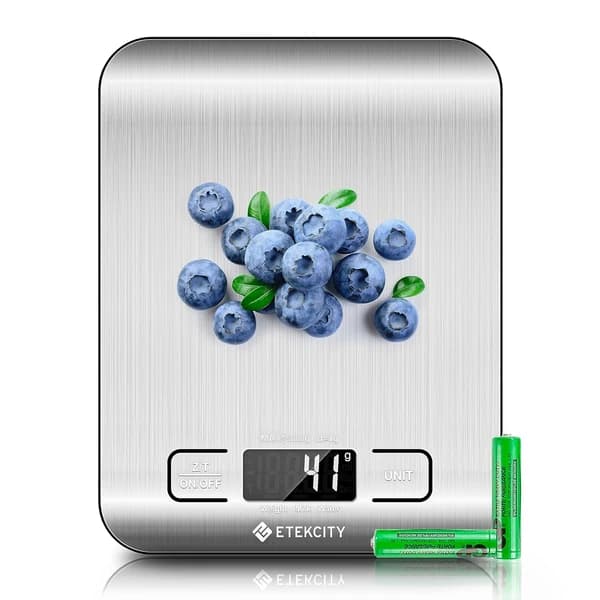
The Etekcity Digital Food Scale ($10–$16) provides 0.1g precision — important for tracking olive oil and nuts accurately. It measures in grams, ounces, pounds, and milliliters, and has a tare function to zero out containers. With a 4.7-star rating and over 40,000 reviews, it is the most-reviewed food scale on Amazon and consistently tops accuracy tests in independent comparisons.
Amazon · Affiliate
Etekcity Digital Food Scale (0.1g precision)
4.7
Measures in grams, ounces, pounds, and milliliters. Tare function, backlit display, auto-off. Essential for accurate macro tracking.
$10–$16Check Price on Amazon
Sample Weekly Mediterranean Meal Plan for Athletes
Here is a practical 5-day meal plan designed for an intermediate athlete training 5 days per week (~2,800–3,000 kcal/day):
Monday (Training Day — Upper Body)
Breakfast: 3-egg omelette with spinach, tomatoes, and feta cheese | Whole-grain toast with EVOO | Orange juice (~600 kcal)
Pre-Workout Snack: 1 banana + handful of walnuts (~250 kcal)
Post-Workout: Greek yogurt (200g) with honey and berries | 2 rice cakes (~350 kcal)
Lunch: Quinoa bowl with baked salmon, roasted peppers, cucumber, and lemon-tahini dressing (~650 kcal)
Dinner: Lentil soup with crusty whole-grain bread | Large Greek salad | 1 tablespoon EVOO (~700 kcal)
Evening Snack: 30g mixed nuts + 2 dried figs (~200 kcal)
Daily total: ~2,750 kcal | ~280g carbs | ~175g protein | ~100g fat
Tuesday (Rest/Active Recovery Day)
Breakfast: Overnight oats with almond milk, chia seeds, sliced almonds, and fresh figs (~450 kcal)
Lunch: Large Greek salad with chickpeas, cucumber, olives, feta, and EVOO dressing | Whole-grain pita (~550 kcal)
Dinner: Grilled mackerel with roasted sweet potato and steamed broccoli | EVOO and lemon (~650 kcal)
Snack: Apple + 2 tablespoons almond butter (~250 kcal)
Daily total: ~1,900 kcal | ~220g carbs | ~120g protein | ~75g fat
(Calorie reduction on rest days is intentional — lower activity means lower energy needs)
Wednesday (Training Day — Lower Body)
Pre-Workout Breakfast (2 hrs before): Farro with poached eggs, sliced avocado, and cherry tomatoes | EVOO (~700 kcal)
Post-Workout: Smoothie — almond milk, 1 banana, 1 cup frozen berries, Greek yogurt, 1 tbsp honey (~400 kcal)
Lunch: Grilled chicken over arugula with white beans, sun-dried tomatoes, and balsamic-EVOO dressing (~600 kcal)
Dinner: Spaghetti with whole-wheat pasta, homemade tomato sauce, ground turkey, and fresh basil | Side salad (~700 kcal)
Thursday (Training Day — Cardio/Endurance)
Breakfast: 2 slices whole-grain toast with smashed avocado and 2 poached eggs | Sliced tomatoes (~550 kcal)
Pre-Workout: 3–4 Medjool dates + small handful of pistachios (~300 kcal)
Post-Workout: Cottage cheese (200g) + pineapple + drizzle of honey (~300 kcal)
Lunch: Stuffed bell peppers with quinoa, lentils, diced tomatoes, herbs, and a dollop of Greek yogurt (~600 kcal)
Dinner: Baked salmon with roasted asparagus and cauliflower tabbouleh | EVOO and lemon (~650 kcal)
Friday (Training Day — Full Body)
Breakfast: Greek yogurt parfait — plain yogurt, granola (oat-based), mixed berries, walnuts, honey (~550 kcal)
Post-Workout: Tuna and avocado wrap in whole-wheat tortilla | Orange (~500 kcal)
Lunch: Warm lentil salad with roasted beets, goat cheese, walnuts, and lemon-herb vinaigrette (~600 kcal)
Dinner: Grilled swordfish or sea bass with roasted cherry tomatoes, olives, capers, and whole-grain couscous (~700 kcal)
Supplements That Complement the Mediterranean Diet
The Mediterranean diet is one of the most nutrient-complete dietary patterns studied. But athletes have elevated needs — and even a well-constructed diet has gaps at high training volumes. Here are the supplements most supported by evidence for Mediterranean diet athletes:
Omega-3 Fish Oil — Amplify What the Diet Already Does
The Mediterranean diet provides omega-3s from fish and walnuts, but athletes training intensely 5–6 days per week may need supplemental omega-3s to keep pace with inflammation demands. Research indicates that the anti-inflammatory threshold for EPA+DHA in athletic contexts is approximately 2–3g/day — which requires eating fatty fish 4–5 times per week to achieve from food alone.
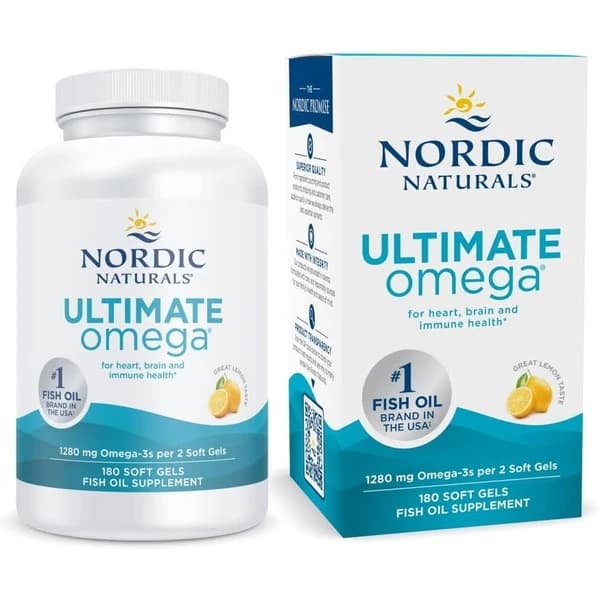
Supplementation bridges this gap efficiently. Nordic Naturals Ultimate Omega ($30–$55) delivers 1,280mg of EPA+DHA per serving from sustainably sourced, molecularly distilled fish oil. It is third-party tested for purity, freshness, and freedom from heavy metals — the three most important quality markers in fish oil. With a 4.7-star rating and over 25,000 reviews, it is consistently ranked among the highest-quality fish oil supplements on the market.
Two softgels per day (1,280mg EPA+DHA) provides the research-supported dose for inflammation reduction in athletes. Combined with 2–3 weekly fish servings from your Mediterranean diet, you reliably hit the 2–3g daily target.
Amazon · Affiliate
Nordic Naturals Ultimate Omega
4.7
1,280mg of EPA+DHA per serving. Third-party tested for purity and freshness. Reduces inflammation and supports heart health.
$30–$55Check Price on Amazon
Multivitamin — Insurance for Training Volume Gaps
Athletes have dramatically higher micronutrient needs than sedentary individuals. Sweat losses increase sodium, potassium, magnesium, and zinc requirements. Elevated energy metabolism burns through B vitamins faster. Oxidative stress from training increases vitamin C and E turnover. And many athletes train indoors, limiting vitamin D synthesis.
While the Mediterranean diet is micronutrient-rich, high-volume training (6+ sessions/week) can outpace what diet alone provides. A high-quality, bioavailable multivitamin closes micronutrient gaps without requiring you to meticulously track 30+ individual nutrients.
Best Overall: Thorne Basic Nutrients 2/Day ($35–$45)
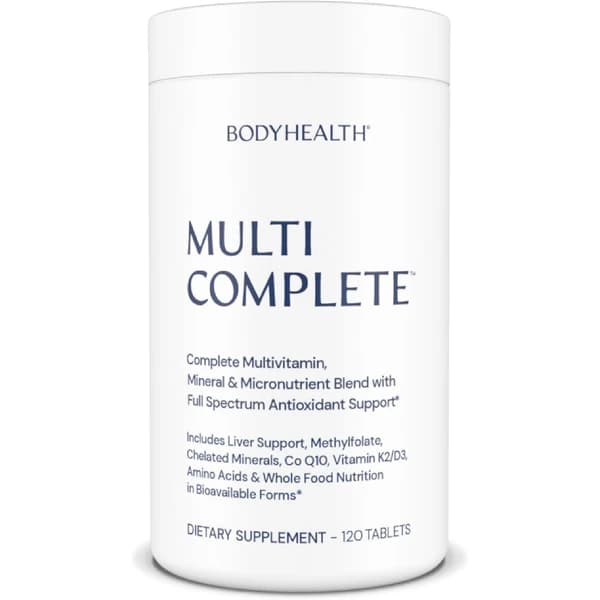
Thorne is widely considered the gold standard for athlete supplementation. Their Basic Nutrients 2/Day is NSF Certified for Sport — meaning every batch is tested for banned substances, a critical consideration for competitive athletes. The formulation uses highly bioavailable forms: methylcobalamin (not cyanocobalamin) for B12, methyl-folate (not folic acid) for folate, and chelated minerals for superior absorption. With a 4.8-star rating and thousands of reviews from athletes and clinicians, it is the top recommendation from sports dietitians and performance coaches.
Amazon · Affiliate
Thorne Basic Nutrients 2/Day
4.8
NSF Certified multivitamin for athletes. Highly bioavailable forms of key vitamins and minerals.
$35–$45Check Price on Amazon
Best Budget Pick: Orgain Organic Protein Powder (~$20–$35) fills a different role (as covered above in the protein section), but for athletes who cannot justify the Thorne price point and want a food-first approach, doubling down on organ meats (chicken liver, once weekly) and optimizing each food category in the Mediterranean diet often achieves similar micronutrient coverage at lower cost.
The trade-off with budget multivitamins is bioavailability: cheaper forms like cyanocobalamin and oxide-form minerals may have 40–60% lower absorption rates. For athletes with high demands, this difference matters. If budget allows, Thorne's NSF certification and superior forms justify the premium.
Common Mediterranean Diet Mistakes Athletes Make
Mistake 1: Not Eating Enough Calories
The Mediterranean diet's whole-food nature creates high satiety, which is ideal for weight loss but problematic for athletes who need to maintain or gain weight. If you feel chronically tired, struggle to recover between sessions, or lose weight unintentionally, increase your portion sizes — especially grains, legumes, and olive oil.
Mistake 2: Insufficient Post-Workout Protein
Traditional Mediterranean cultures were not strength athletes. The post-workout window requires 20–40g of fast-digesting protein within 45 minutes of training. Greek yogurt and eggs work well for this. If you are training before meals are convenient, protein supplementation fills this window without compromising the diet's principles.
Mistake 3: Treating It as a Weight Loss Diet
The Mediterranean diet is a performance diet. Do not restrict calories in service of weight loss while also trying to improve athletic performance — these goals conflict. Use the diet for body composition changes during off-season or reduced-volume training phases; during peak training, prioritize fueling adequately.
Mistake 4: Using Low-Quality Olive Oil
"Pure olive oil" and "light olive oil" are refined products stripped of the polyphenols that make EVOO anti-inflammatory. Always use extra-virgin olive oil with a harvest date on the label. California Olive Ranch, Kirkland Signature Organic EVOO, and Greek estate-bottled oils are reliable quality markers.
Mistake 5: Neglecting Hydration
The Mediterranean diet is naturally lower in sodium than the Western diet, which means you retain less water. Athletes need to actively hydrate, targeting 35–45ml of water per kilogram of body weight on training days, plus 500–750ml additional per hour of exercise.
Special Considerations by Sport
Endurance Athletes (Running, Cycling, Triathlon)
Increase carbohydrate emphasis toward the higher end of the Mediterranean range (50–55% of calories during peak training blocks). Farro, whole-grain pasta, and legumes should anchor every major meal. Prioritize beet juice or beets 2–3 hours pre-race for nitrate-mediated performance enhancement.
Strength and Power Athletes (Weightlifting, CrossFit, Sprinting)
Push protein toward 2.0–2.2g/kg/day. Add eggs and Greek yogurt to every meal. Consider supplemental protein (plant-based or whey) to reach targets without dramatically increasing total food volume.
Team Sport Athletes (Soccer, Basketball, Rugby)
The Mediterranean diet naturally suits the mixed-energy-system demands of team sports. Focus on pre-game carbohydrate loading (whole-grain pasta dinner the night before), and prioritize post-game protein and anti-inflammatory foods to compress recovery between competitions.
Combat Sports Athletes (Wrestling, MMA, Boxing)
Weight management is critical. The Mediterranean diet's high satiety per calorie makes it excellent for weight management without performance compromise. Maintain omega-3 supplementation during weight cuts to preserve muscle and reduce inflammation from hard sparring.
Making the Transition: A 4-Week Ramp-Up Plan
Switching dietary patterns abruptly often leads to GI distress and dietary fatigue. Here is a phased approach:
Week 1 — Replace Fats
- Swap butter and vegetable oils for extra-virgin olive oil in all cooking
- Replace processed snacks with mixed nuts and fresh fruit
- Add a handful of olives to at least one meal daily
Week 2 — Upgrade Proteins
- Replace one red meat meal with fatty fish (salmon, sardines, mackerel)
- Introduce Greek yogurt as your default dairy (replace milk, processed cheese)
- Add eggs to breakfast daily
Week 3 — Upgrade Carbohydrates
- Swap white rice and white bread for quinoa, farro, or barley
- Add a legume (lentils, chickpeas, white beans) to at least one meal daily
- Replace sugary snacks with fresh fruit, dates, or figs
Week 4 — Maximize Vegetables
- Target 7+ servings of vegetables and fruit daily
- Make a large Greek salad a regular lunch component
- Experiment with Mediterranean herbs: oregano, thyme, rosemary, basil, sumac, za'atar
By week 4, the Mediterranean diet will feel natural rather than restrictive. Most athletes report feeling noticeably better in workouts by week 2–3 as inflammation decreases and micronutrient status improves.
Dining Out on the Mediterranean Diet
Athletes do not live in laboratories. Restaurants and social dining are part of life. Fortunately, the Mediterranean diet travels well:
Safe choices at any restaurant:
- Grilled or baked fish over fried
- Any salad with oil and vinegar (skip creamy dressings)
- Hummus and vegetable appetizers
- Grilled chicken with vegetables and olive oil
- Bean-based soups (minestrone, lentil, chickpea)
Cuisines that align naturally:
- Greek: grilled seafood, Greek salad, hummus, dolmas, tzatziki
- Italian: grilled fish, pasta e fagioli, caprese, minestrone (stick to olive oil-based sauces)
- Middle Eastern: falafel, tabbouleh, shawarma (chicken), lentil dishes
- Spanish: tapas, gazpacho, grilled fish, paella (small portion)
Order strategy: Ask for olive oil and lemon instead of butter. Request extra vegetables instead of starchy sides when in a calorie deficit. Order fish or chicken over red meat at most meals.
Final Thoughts
The Mediterranean diet is not a trend, a fad, or a restriction protocol. It is a performance eating system backed by decades of research and refined by millennia of human experience in cultures where physical labor, longevity, and vitality intersected.
For athletes, it delivers something no supplement stack can replicate: a self-reinforcing cycle of reduced inflammation, better gut health, stable energy, superior micronutrient status, and sustainable long-term adherence. The foods taste good, meals are satisfying, and the lifestyle supports — rather than fights — athletic training.
The transition takes 4–6 weeks to feel completely natural. The performance benefits start showing up in weeks 2–3. The body composition improvements take 8–12 weeks. But the athletes who make this shift consistently report that it is the single highest-leverage dietary change they have made.
Start with the fats. Swap to olive oil today. Add fatty fish this week. Build from there.
For more evidence-based performance nutrition guides, explore LeanBodyEngine's complete diet and nutrition library.
The information in this article is for educational purposes and does not constitute personalized medical or nutritional advice. Consult a registered sports dietitian or physician before making significant dietary changes, especially if you have existing health conditions.
Affiliate disclosure: Some links in this article are affiliate links. If you purchase through them, we may earn a small commission at no extra cost to you. We only recommend products we genuinely believe in.
About the author
Nathan reviews the research, tests the tools, and writes the guides at LeanBodyEngine — evidence-first, no sponsored content, no supplement shilling.
Related articles


Subscribe
Never miss a new article
Get an email whenever we publish a new fitness guide, supplement review, or workout plan. One short email per post — that's it.
Unsubscribe anytime. We only email when there's a new post.