
Keto Diet Complete Guide for Beginners (2025)
Everything you need to know about starting a ketogenic diet — what to eat, what to avoid, how to get into ketosis, and whether keto is right for you.
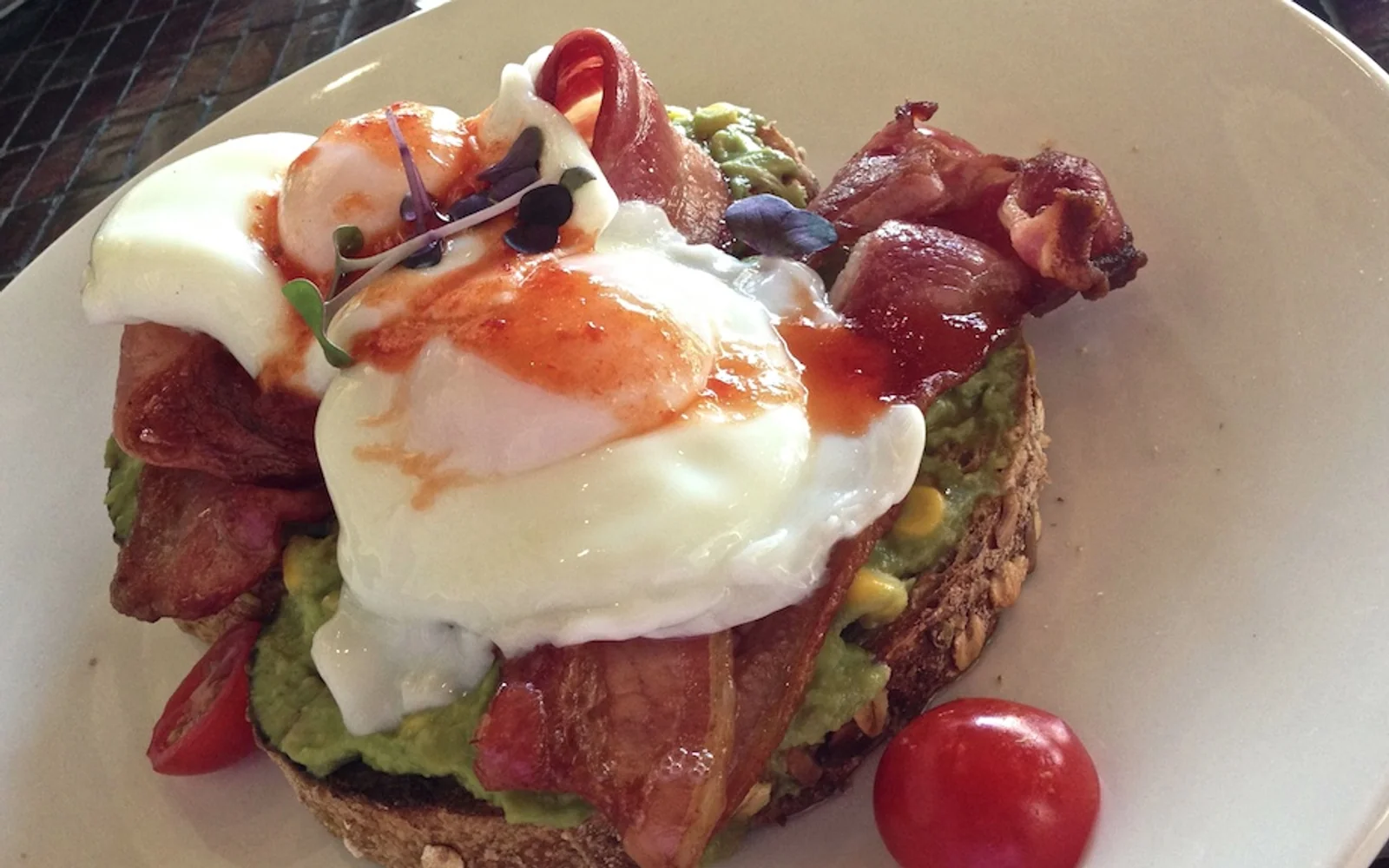
Keto Diet Complete Guide for Beginners (2025)
The ketogenic diet has been one of the most searched diets for the past decade — and the research backing it is more compelling than the backlash suggests. Here's the part most keto critics don't mention: a 2019 meta-analysis in Obesity Reviews found ketogenic diets produced significantly greater fat loss than low-fat diets at 12 months, even when calories weren't precisely controlled. That's not because keto is magical. It's because dramatically cutting carbs changes hunger hormones — specifically ghrelin — in a way that makes eating less feel effortless for many people. Beyond the hype, this guide covers everything a beginner needs to know before going keto: how ketosis works, what the keto flu actually is, and honestly — who should skip it entirely.
Key Takeaways
- Ketosis typically begins within 24–48 hours of dropping below 50g of net carbs per day
- The standard keto macro split is 70–75% fat, 20–25% protein, 5–10% carbs
- Studies show ketogenic diets can reduce HbA1c by 0.5–1.5% in type 2 diabetics within 3 months
- Keto flu symptoms peak at days 2–4 and resolve for most people by day 7–10
- Electrolyte loss — not carb withdrawal — is the primary cause of keto flu
- Sustained ketosis requires keeping net carbs under 20–50g per day (individual threshold varies)
What Is the Ketogenic Diet?
The ketogenic diet is a very low-carbohydrate, high-fat eating pattern. By drastically reducing carbohydrate intake, your body enters a metabolic state called ketosis, where it burns fat for fuel instead of glucose.
Standard macronutrient breakdown:
- Fat: 70–75%
- Protein: 20–25%
- Carbohydrates: 5–10% (typically under 50g net carbs per day)
There are several variants — strict therapeutic keto (used for epilepsy) sits at under 20g carbs per day, while a more flexible "dirty keto" approach simply hits the macro ratios without policing food quality. For most beginners, aiming for under 50g net carbs while prioritizing whole foods is the right starting point.
How Ketosis Works
Normally, your body runs on glucose from carbohydrates. When carbs are restricted, liver glycogen depletes within 24–48 hours. The liver then begins converting fatty acids into ketone bodies — specifically acetoacetate, beta-hydroxybutyrate (BHB), and acetone — which fuel the brain and muscles.
BHB is the primary circulating ketone and can be measured via blood ketone meters. Nutritional ketosis is generally defined as blood BHB levels of 0.5–3.0 mmol/L. Below 0.5 and you're not yet in ketosis. Above 3.0 and you're likely deep in fat-adaptation territory (still safe — this is distinct from diabetic ketoacidosis, which requires blood sugar to also be elevated).
The liver can produce up to 150–200g of ketones per day at peak adaptation, providing a near-complete substitute for glucose-dependent energy demands.
Benefits of the Keto Diet
Weight Loss
Keto produces rapid initial weight loss — mostly water weight from glycogen depletion (each gram of stored glycogen holds ~3g of water). But sustained fat loss follows, driven by appetite suppression from ketones and the satiety effect of high dietary fat. A meta-analysis in British Journal of Nutrition found keto dieters lost 2 lbs more on average than low-fat diet groups over 12+ month periods.
Blood Sugar Control
Multiple controlled trials show ketogenic diets significantly improve insulin sensitivity and reduce HbA1c in type 2 diabetics. The Virta Health study — a 2-year controlled trial — found that 60% of participants reduced or eliminated diabetes medications while improving HbA1c by an average of 1.3%. This is among the strongest dietary intervention data in metabolic medicine.
Mental Clarity
Many people report improved focus and cognitive performance after the first 2 weeks on keto. The mechanism is partially real: the brain runs efficiently on BHB (some research suggests it's a "preferred" fuel over glucose in certain contexts), and reduced blood sugar variability eliminates the post-meal energy crashes that disrupt concentration. However, the mechanism is debated — more on this in the contrarian section below.
Reduced Triglycerides
Dietary fat and reduced carbohydrate intake consistently lower serum triglycerides, often dramatically. A reduction of 20–40% within 8 weeks is common in clinical studies.
The 3-Phase Keto Adaptation Timeline
Most beginners treat keto as binary — either you're in ketosis or you're not. The reality is a staged physiological transition. Understanding where you are in the process prevents you from quitting during the hardest phase.
Phase 1 — Glycogen Depletion (Days 1–3) Liver and muscle glycogen drain. Blood glucose drops, insulin falls sharply. Kidneys excrete sodium at an accelerated rate — this is what triggers the keto flu (see below). You may feel tired, irritable, and experience headaches. This is normal. Do not interpret it as the diet not working.
Phase 2 — Early Ketosis (Days 4–14) Ketone production ramps up. Keto flu typically resolves by day 7–10 if you manage electrolytes properly. Energy may feel inconsistent — some days good, some days flat. Appetite begins to decrease noticeably by week 2 for most people. Fat oxidation is increasing but enzyme expression for fat metabolism is still catching up.
Phase 3 — Full Fat Adaptation (Weeks 3–6) Mitochondrial density increases. Fat oxidation peaks. Performance (especially for lower-intensity activity) normalizes. Hunger regulation becomes much more stable. Many people report their best subjective "keto feeling" — steady energy, reduced cravings — in this phase. Getting to Phase 3 requires patience; most people who "tried keto and it didn't work" quit during Phase 1 or early Phase 2.
Foods to Eat on Keto
Proteins:
- Chicken, beef, pork, lamb
- Fatty fish (salmon, mackerel, sardines)
- Eggs
Fats:
- Avocados and avocado oil
- Olive oil
- Butter, ghee, coconut oil
- Nuts and seeds (macadamias, almonds, chia)
Low-Carb Vegetables:
- Leafy greens (spinach, kale, arugula)
- Broccoli, cauliflower, zucchini
- Bell peppers, cucumber, asparagus
Keto Food Scoring: High-Fat Foods Ranked by Satiety and Nutrient Density
| Food | Satiety Score | Nutrient Density | Net Carbs (per 100g) | Best Use | |------|--------------|-----------------|----------------------|----------| | Eggs | High | Very High | <1g | Daily protein anchor | | Salmon (wild) | Very High | Very High | 0g | 3–4x per week | | Avocado | High | High | 2g | Fat and micronutrients | | Macadamia nuts | High | Moderate | 5g | Snacking, fat target | | Grass-fed beef | Very High | High | 0g | Main protein source | | Olive oil | Moderate | High | 0g | Cooking fat | | Spinach | Low | Very High | 1g | Volume, micronutrients | | Almonds | Moderate | Moderate | 10g | Use sparingly | | Coconut oil | Moderate | Moderate | 0g | MCT boost, cooking | | Hard cheese | High | High | 1–2g | Satiety filler |
Foods to Avoid
- Bread, pasta, rice, oats
- Sugar, honey, maple syrup
- Fruit (except small amounts of berries)
- Legumes and beans
- Starchy vegetables (potatoes, corn)
- Most dairy with added sugars
The Keto Flu
During the first 3–7 days, many people experience keto flu: fatigue, headache, brain fog, and irritability. This is caused by electrolyte loss — as insulin drops, kidneys excrete more sodium, pulling potassium and magnesium along with it. It is not carb withdrawal in the addictive sense. It is a mineral deficit.
Keto Flu Timeline and Remedies
| Day | Typical Symptoms | Priority Action | |-----|-----------------|-----------------| | Day 1–2 | Mild fatigue, slight headache | Increase water + salt intake | | Day 2–4 | Peak symptoms: fatigue, headache, brain fog, leg cramps | Add 2–3g sodium, 300–400mg magnesium | | Day 4–6 | Symptoms begin to ease; energy inconsistent | Continue electrolytes, prioritize sleep | | Day 7–10 | Most symptoms resolve; appetite drops noticeably | Maintain electrolytes through adaptation | | Week 3+ | Energy stabilizes; no further flu-like symptoms | Standard electrolyte maintenance |
How to manage it:
- Increase sodium intake (add salt to food, drink bone broth — aim for 2,000–3,000mg extra sodium per day)
- Supplement magnesium glycinate (300–400mg before bed; superior absorption vs. magnesium oxide)
- Supplement potassium (from food: avocado, leafy greens — or a low-sodium salt substitute)
- Stay well hydrated — at least 2–3L water per day

Amazon · Affiliate
Doctor's Best High Absorption Magnesium Glycinate
4.7
Highly bioavailable magnesium chelate. Supports muscle relaxation, deep sleep, stress reduction, and recovery.
$12–$22Check Price on Amazon
Magnesium is the most commonly neglected keto electrolyte. Most people get enough sodium by salting food, but dietary magnesium is harder to hit on keto since legumes and whole grains — two major magnesium sources — are off the table. A nightly glycinate form supplement solves this and often improves sleep quality as a bonus.
Is Keto Right for You?
Keto Decision Table
| Your Goal | Keto Recommendation | Reason | |-----------|-------------------|--------| | Fat loss (general) | Strong yes | Appetite suppression + insulin reduction | | Type 2 diabetes management | Strong yes | Dramatic HbA1c + medication reduction | | Muscle gain (beginner–intermediate) | Yes with caveats | Adequate protein matters more than carbs | | Competitive endurance sports | Generally no | Glycogen fuels high-intensity sustained efforts | | Mental focus + reduced energy crashes | Yes | BHB reduces glucose variability | | Athletic performance (strength/power) | Conditional | Performance may dip during adaptation; some athletes adapt fully | | Epilepsy management | Yes — but medically supervised | Therapeutic keto has robust clinical evidence | | Convenience / social eating | Probably no | Strict carb limits make restaurant and social meals difficult | | Someone who loves high-carb foods | No | Long-term adherence is the entire game |
Keto works well for:
- People with type 2 diabetes or insulin resistance
- Those who prefer high-fat foods and aren't hungry on them
- People who struggle with hunger on low-fat diets
- Anyone who benefits from simplifying food choices (fewer foods, clearer rules)
Keto may not be ideal for:
- Endurance athletes who depend on glycogen for sustained performance
- People who enjoy high-carb foods (adherence is everything in any diet)
- Those with certain metabolic or kidney conditions
- Anyone prone to disordered eating patterns — the strict rules can reinforce restriction pathology
Sample Keto Day of Eating
Breakfast: 3 scrambled eggs with butter, 2 strips of bacon, coffee with heavy cream
Lunch: Large salad with grilled chicken, avocado, olive oil and vinegar dressing, a handful of macadamia nuts
Dinner: Pan-seared salmon with roasted broccoli and sautéed spinach in butter
Snack (if needed): Handful of macadamia nuts or celery with almond butter
Approximate macros: ~1,900 calories | ~155g fat | ~110g protein | ~22g net carbs
Tracking macros — especially in the first 2–4 weeks — is the single most reliable way to confirm you're actually staying in ketosis. Many beginners think they're under 50g net carbs and are actually eating 80–100g when snacks and condiments are counted.
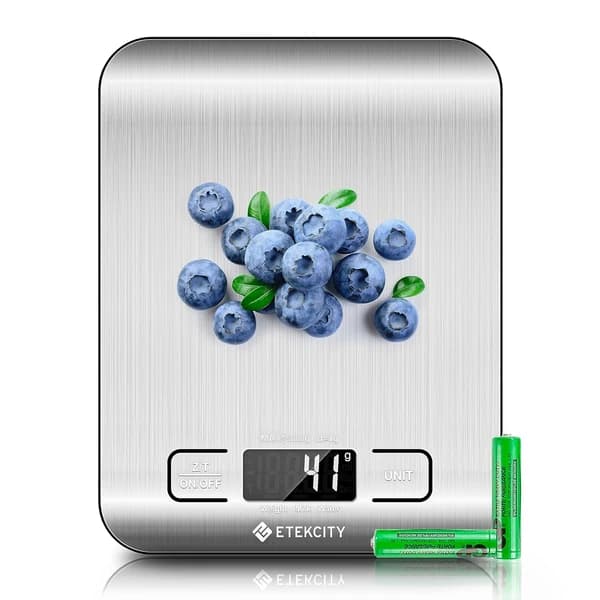
Amazon · Affiliate
Etekcity Digital Food Scale (0.1g precision)
4.7
Measures in grams, ounces, pounds, and milliliters. Tare function, backlit display, auto-off. Essential for accurate macro tracking.
$10–$16Check Price on Amazon
A food scale removes the guesswork. Eye-balling "a handful of almonds" is a fast track to accidentally eating 20g of carbs in a single snack. Weigh food for the first month, then trust your intuition once your reference points are calibrated.
A Contrarian Take: Keto Isn't the Only Path to Fat Adaptation
One of keto's most compelling selling points is fat adaptation — the ability to efficiently burn fat for fuel. But keto is not the only way to get there.
Zone 2 cardio training (low-intensity aerobic work at 60–70% max heart rate) increases mitochondrial density and fat oxidation capacity over 8–16 weeks — without any dietary restriction. Elite endurance athletes following high-carb diets become excellent fat burners because training forces metabolic flexibility, not carb restriction.
The mental clarity effect many keto adherents report is similarly real but overstated. BHB does cross the blood-brain barrier and provides an alternative fuel. Reduced glucose variability does eliminate post-meal brain fog. However, a well-structured whole-food diet without refined carbs produces the same reduction in energy crashes for most people — the specific mechanism of ketone bodies may matter less than simply eliminating blood sugar spikes from processed carbs.
The honest framing: keto is a reliable, repeatable method for fat adaptation and blood sugar control. But it is not uniquely special compared to any diet that cuts processed carbs, reduces hyperpalatable food, and maintains adequate protein. What keto does exceptionally well is provide clear rules. For people who need structure, that clarity is a genuine advantage — not just marketing.
Final Thoughts
Keto is a legitimate, well-researched tool. But "tool" is the right word — not lifestyle, not identity, not salvation.
Who should genuinely try keto: anyone with type 2 diabetes or metabolic syndrome who hasn't responded to conventional dietary advice, and anyone who has tried calorie-counting, failed due to persistent hunger, and wants a different mechanism. The appetite suppression from sustained ketosis is real and documented — if hunger is your obstacle, keto directly addresses it.
Who should skip keto or be cautious: competitive endurance athletes, anyone with a history of disordered eating, people who deeply enjoy carbohydrate-rich whole foods (white rice, oats, fruit) and find restriction demoralizing. A diet you can't maintain for 12 months is worse than a less optimal diet you can. Adherence beats perfection.
The real test isn't whether you can enter ketosis. That happens to everyone who drops carbs low enough. The real test is whether, at month 3, you still enjoy the food you're eating, your performance is intact, and your relationship with eating feels sustainable. Give it 30 days with proper electrolyte management before deciding. Most people who "fail" keto quit in days 2–4 — exactly when the flu peaks — and never reach the adaptation phase where the diet actually starts to work.
Affiliate disclosure: Some links in this article are affiliate links. If you purchase through them, we may earn a small commission at no extra cost to you. We only recommend products we genuinely believe in.
About the author
Nathan reviews the research, tests the tools, and writes the guides at LeanBodyEngine — evidence-first, no sponsored content, no supplement shilling.
Related articles


Subscribe
Never miss a new article
Get an email whenever we publish a new fitness guide, supplement review, or workout plan. One short email per post — that's it.
Unsubscribe anytime. We only email when there's a new post.