Yoga & mobility · Head-to-head
Premium vs Budget Yoga Mat
The gap between the most popular premium yoga mat and the most popular budget mat is roughly $85 — about 10x the price. The question isn't which is 'better' (the premium is, clearly); it's whether the marginal quality is worth the premium to someone at your practice level and frequency.
Manduka PRO — premium lifetime mat
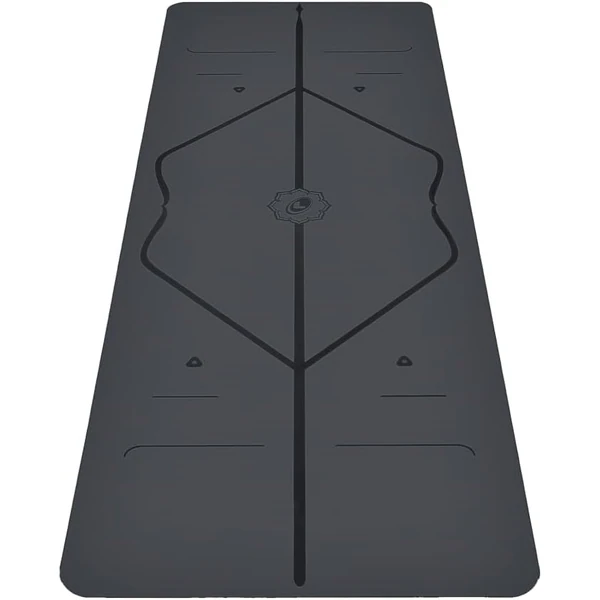
Manduka PRO Yoga Mat
6mm high-density PVC mat with a closed-cell surface (sweat stays on top, mat stays grippy). Lifetime guarantee, essentially indestructible, and the industry-standard mat in serious studios. Breaks in over 10–20 sessions, then grips for life.
Pros
- Lifetime guarantee — last mat you'll ever buy
- Best-in-class grip once broken in
- Dense 6mm cushion protects knees and wrists
- Closed-cell surface — sweat doesn't absorb, cleans easily
Cons
- Expensive (~$100–120)
- Slippery when new — needs 10–20 sessions to break in
- Heavy (7 lb) — not ideal for travel
- PVC (not biodegradable)
Gaiam Essentials — thick budget mat
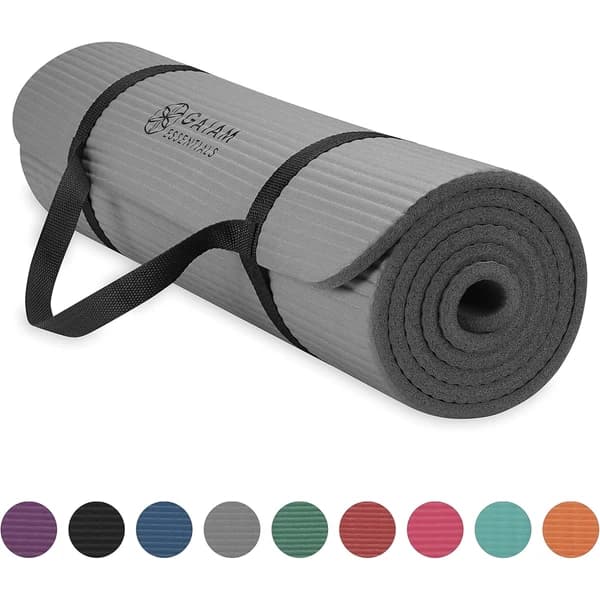
Gaiam Essentials Thick Yoga Mat (10mm)
10mm NBR foam mat with textured non-slip surface. Extra thick for joint comfort, lightweight, includes carrying strap. The top-selling beginner mat on Amazon for years — gets the job done at a fraction of the price.
Pros
- Cheap (~$20–30)
- 10mm thick — very forgiving for knees in floor work
- Lightweight, includes carrying strap
- No break-in period — grip works immediately
Cons
- Wears out in 6–12 months with daily use
- Grip degrades with sweat absorption
- Too thick for some standing balance poses
- NBR foam can off-gas initial chemical smell (fades in ~1 week)
Which one wins, by use case
Best for daily practice
Manduka PRO Yoga Mat
If you practice 4+ times a week, the Manduka's lifetime durability and superior grip pay back the price difference within a year. No more replacement cycle.
Best for beginners and casual practice
Gaiam Essentials Thick Yoga Mat (10mm)
Don't spend $120 to find out if you like yoga. The Gaiam gets you through your first 6–12 months for $25 — upgrade later if you commit.
Best for knee-sensitive floor work
Gaiam Essentials Thick Yoga Mat (10mm)
10mm vs 6mm matters if your practice is heavy on kneeling, supine, or floor-based poses. The extra cushion is noticeable even if everything else about the Manduka is better.
The verdict
Casual practitioners and beginners should start with the Gaiam — there's no reason to drop $120 on a mat before you know you'll stick with yoga. Once you're practicing regularly (4+ sessions a week) and the Gaiam is showing wear, the Manduka PRO pays back within 12–18 months and then lasts forever. For a hot-yoga or sweat-heavy practice the Manduka's closed-cell surface is a bigger deal than its price tag suggests.
Quick compare
| Spec | Manduka PRO Yoga Mat | Gaiam Essentials Thick Yoga Mat (10mm) |
|---|---|---|
| Rating | 4.8 / 5 | 4.5 / 5 |
| Price range | $80–$120 | $20–$30 |
| Source | Amazon | Amazon |
Frequently asked
Questions people ask about this
Why do premium yoga mats cost so much more?
Material density, surface engineering, and durability testing. A Manduka uses denser PVC, a proprietary surface texture, and is manufactured to last decades — which means higher material cost and tighter QC. Budget mats use thinner, less durable materials optimized to hit a $20–30 price point, accepting that they'll be replaced in a year.
How do I break in a Manduka PRO?
Use it — 10–20 practice sessions smooth out the factory surface. Shortcut: scrub with coarse sea salt and water (wet the mat, salt it, rub hard with a towel, rinse). This roughens the closed-cell surface enough to grip immediately. Most Manduka owners do this on day one.
Is a thick mat always better for yoga?
No — thicker mats make balance poses (tree, warrior 3) harder because the surface sinks under your foot. The 10mm Gaiam is great for floor-based yin or pilates practice but feels mushy in a dynamic vinyasa flow. 4–6mm is the standard range for active practice.
Are there durable mats that aren't $120?
Yes. Lululemon The Mat (5mm) and Liforme are in the $90–140 range with different tradeoffs. Sub-$50 mats almost always cut durability corners. If you want lifetime durability, Manduka is the standard; if you want 2–3 year durability, the $60–80 range opens up.
More comparisons
Affiliate disclosure: Some links in this comparison are affiliate links. If you buy through them we may earn a commission at no cost to you. We only recommend products we genuinely believe in, and price/rating data reflects the most recent update.