Protein powders · Head-to-head
Whey Protein vs Plant Protein
The short version: whey is slightly better for muscle building on a gram-for-gram basis, but a well-formulated plant blend is close enough that the gap disappears at higher doses. Plant protein wins on digestive comfort for lactose-sensitive users and on fit with vegan diets — whey wins on price and leucine density.
Whey — Optimum Nutrition Gold Standard
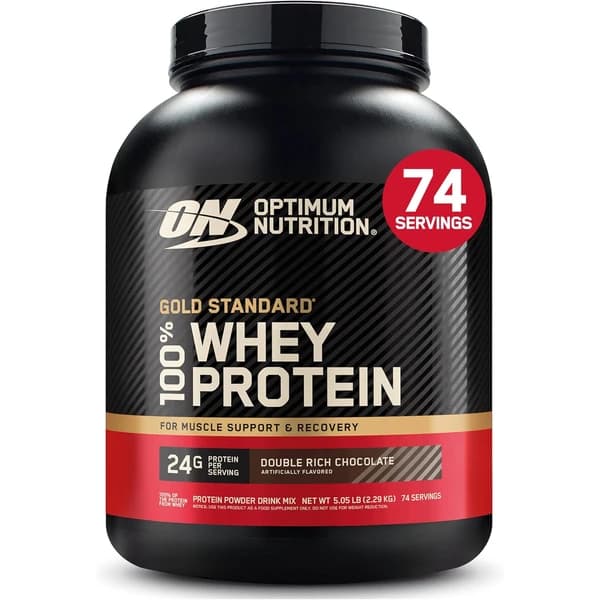
Optimum Nutrition Gold Standard 100% Whey
Fast-absorbing dairy-based protein with the most favorable amino acid profile for muscle protein synthesis. High leucine, cheap per gram, well-studied. The default choice unless a specific reason says otherwise.
Pros
- Highest leucine per scoop of any protein type
- Cheapest per gram of complete protein
- Fast absorption (peaks ~30 min)
- Decades of research backing muscle-building effects
Cons
- Contains lactose
- Not suitable for vegan or dairy-free diets
- Some users report bloating or GI discomfort
Plant — Orgain Organic Protein
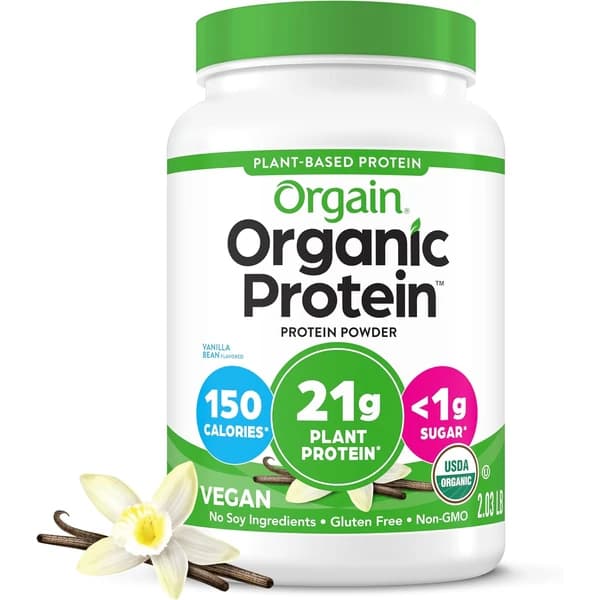
Orgain Organic Protein Powder (Plant-Based)
Pea + brown rice + chia blend. 21g protein per serving, dairy-free, soy-free, non-GMO. Complete amino acid profile via the pea/rice combo, though slightly lower leucine than whey.
Pros
- Vegan and dairy-free
- Easier on the stomach for lactose-sensitive users
- Complete amino profile (pea + rice combo)
- Certified organic ingredients
Cons
- Lower leucine per scoop (~1.8g vs ~2.7g in whey)
- Higher cost per gram of protein
- Chalkier texture that some dislike
- 21g protein per serving (slightly less than whey)
Which one wins, by use case
Best for pure muscle building
Optimum Nutrition Gold Standard 100% Whey
More leucine per scoop and stronger research base. If diet allows, whey is the higher-leverage pick.
Best for vegans or lactose-sensitive users
Orgain Organic Protein Powder (Plant-Based)
Fits the diet, digests more comfortably, and closes 90% of the muscle-building gap at adequate daily protein intake.
Best value per gram of protein
Optimum Nutrition Gold Standard 100% Whey
Whey concentrate wins on cost per gram by a clear margin. Plant blends pay a premium for the sourcing.
The verdict
If you can tolerate dairy and have no ethical objection, whey wins on cost and muscle-building output. If you're vegan, dairy-free, or lactose-sensitive, a quality plant blend like Orgain closes most of the gap — the real determinant is whether you hit your total daily protein target, not which powder you chose.
Quick compare
| Spec | Optimum Nutrition Gold Standard 100% Whey | Orgain Organic Protein Powder (Plant-Based) |
|---|---|---|
| Rating | 4.8 / 5 | 4.5 / 5 |
| Price range | $30–$60 | $20–$35 |
| Source | Amazon | Amazon |
Frequently asked
Questions people ask about this
Can you build muscle on plant protein alone?
Yes. Studies comparing whey and well-formulated plant blends at matched doses show similar muscle gains when total daily protein hits 1.6–2.2 g/kg. The main caveat: plant proteins are lower in leucine per gram, so you may need slightly larger doses (30g vs 25g) to hit the same muscle-protein-synthesis trigger.
Is pea protein as good as whey?
Nearly — pea protein is the most leucine-rich plant option and the closest single-source analog to whey. A 2015 study (Babault et al.) showed pea and whey produced equivalent strength and muscle thickness gains over 12 weeks of resistance training. Pairing pea with rice improves the amino acid profile further.
Which one is easier to digest?
Depends on the person. Plant proteins cause less GI discomfort for lactose-sensitive users but can cause bloating from the legume base for others. Whey isolates are well-tolerated by most but can bother users with dairy sensitivity. Try a small bag of each before committing to a big tub.
More comparisons
Affiliate disclosure: Some links in this comparison are affiliate links. If you buy through them we may earn a commission at no cost to you. We only recommend products we genuinely believe in, and price/rating data reflects the most recent update.