
Intermittent Fasting: The Beginner's Complete Guide
Everything beginners need to know about intermittent fasting — the best protocols, what to eat, what to drink during a fast, and the real science behind it.
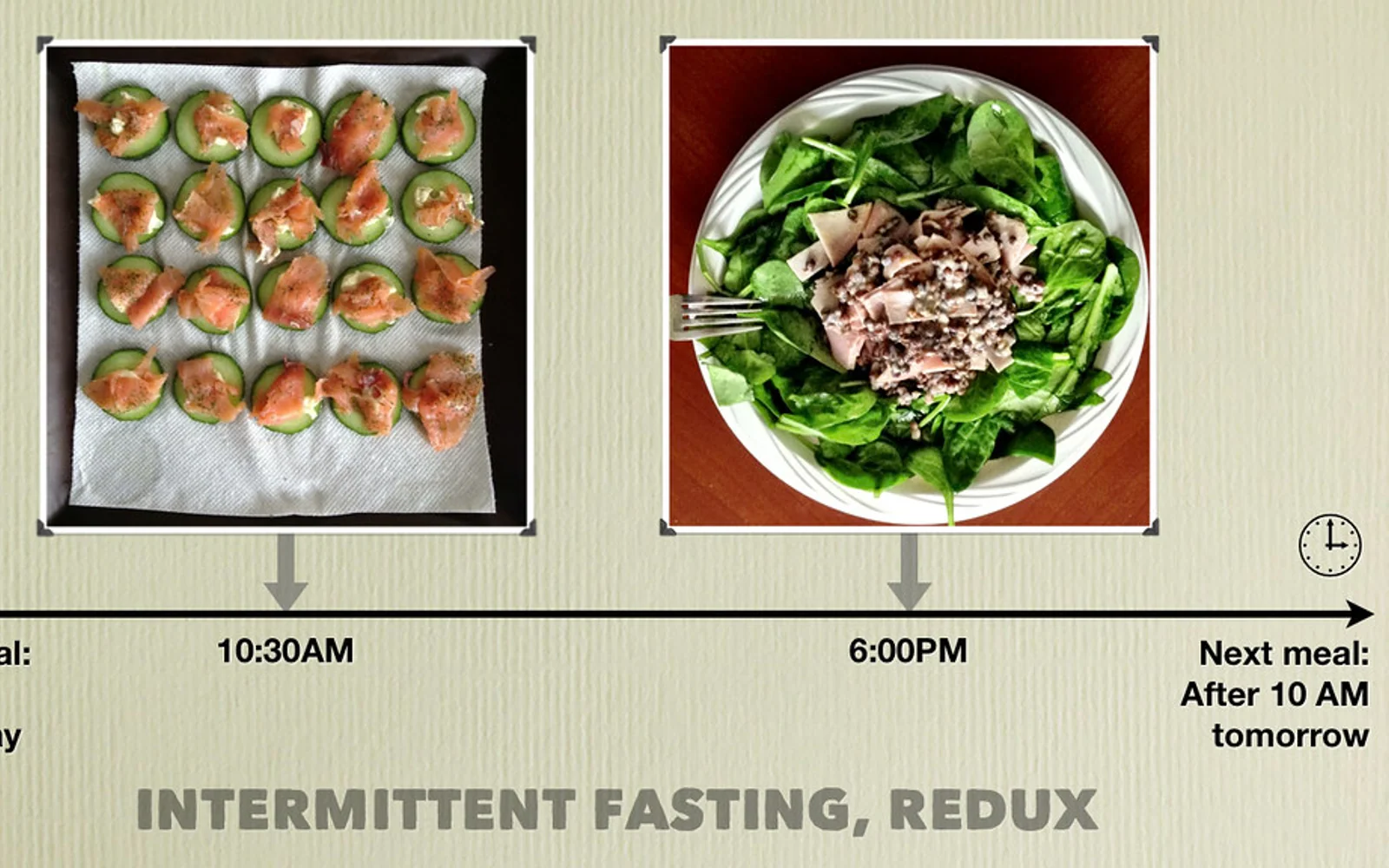
Intermittent fasting (IF) has become one of the most popular health trends in the world — and unlike many trends, there's genuine science supporting it. This guide covers everything you need to start, the mistakes to avoid, and realistic expectations.
Key Takeaways
- The metabolic switch from glucose to fat burning typically occurs after 12–16 hours of fasting
- 16:8 fasting (eating noon–8pm) is the most studied protocol and easiest for beginners to maintain
- Research shows IF produces comparable weight loss to continuous calorie restriction — roughly 0.5–1 lb of fat per week at a modest deficit
- Hunger peaks around days 3–5 and then significantly diminishes; most people feel normal within 1–2 weeks
- Women may need a different approach — shorter fasting windows and structured re-feeds due to hormonal sensitivity
- Autophagy (cellular cleanup) is triggered during extended fasts and has implications for longevity and disease prevention
What Is Intermittent Fasting?
Intermittent fasting is not a diet — it's an eating pattern. It cycles between periods of eating and fasting, with no restriction on what you eat, only when you eat.
The most common protocols:
| Protocol | Eating Window | Fasting Window | |---|---|---| | 16:8 | 8 hours | 16 hours | | 18:6 | 6 hours | 18 hours | | 5:2 | 5 normal days | 2 very low calorie days | | OMAD | 1 meal per day | ~23 hours |
How It Works: The Science
When you eat, insulin rises to help cells absorb glucose. In a fasted state, insulin drops, and your body shifts toward burning stored fat for energy. After ~12–16 hours of fasting, the liver begins producing ketones from fat stores.
Key physiological changes during fasting:
- Insulin drops (fat burning increases)
- Human growth hormone (HGH) increases
- Autophagy is triggered (cellular cleanup process)
- Norepinephrine rises (improves alertness and fat mobilization)
Comparing the Major IF Protocols
Not all fasting protocols are equal. The table below compares the four most common approaches across the dimensions that matter for beginners.
| Protocol | Fasting Window | Difficulty | Best For | Evidence Grade | |---|---|---|---|---| | 16:8 | 16 hours | Low | Most beginners, daily adherence | A (most RCTs) | | 5:2 | ~36 hours (x2/week) | Moderate | People who prefer eating normally most days | B (fewer RCTs) | | OMAD | ~23 hours | High | Experienced fasters, aggressive fat loss phases | C (limited data) | | ADF (Alternate Day) | ~36 hours every other day | Very High | Clinical weight loss only | B (mostly clinical) |
Evidence grades: A = multiple well-designed RCTs; B = some RCTs, mixed results; C = observational or limited controlled trials.
For the vast majority of beginners, 16:8 is the only protocol worth starting with. The others offer diminishing returns on compliance.
Benefits of Intermittent Fasting
Weight Loss
IF reduces calorie intake simply by restricting the eating window. Research shows it produces comparable weight loss to continuous calorie restriction with potentially better adherence.
Insulin Sensitivity
Multiple studies show 16:8 fasting significantly reduces fasting insulin and improves insulin sensitivity — key for metabolic health.
Autophagy
During extended fasting, cells initiate autophagy — a process where they break down damaged proteins and cellular debris. This has implications for longevity and disease prevention.
Simplified Eating
Many people find IF easier to maintain than traditional calorie counting because the "rules" are simple: don't eat outside your window.
The LBE Fasting Ramp Protocol
Most beginners fail not because IF is hard — but because they jump straight to 16 hours and white-knuckle through the first week. The LBE Fasting Ramp Protocol (Lean, Build, Extend) fixes this with a three-phase approach.
Phase 1 — Lean In (Week 1–2): 12:12
Start with a 12-hour fast. This is essentially just "no eating after 8pm and skip late-night snacks." Most people are already doing something close to this. The goal is to remove the habit of late-night eating without triggering hunger stress.
- Last meal: 8pm
- First meal: 8am
- Duration: 7–14 days
Phase 2 — Build the Window (Week 3–4): 14:10
Push breakfast back by 2 hours. Drink black coffee or tea during the extended morning fast. This phase trains your hunger hormones — ghrelin spikes at your usual meal times and then drops. You're teaching your body a new rhythm.
- Last meal: 8pm
- First meal: 10am
- Duration: 7–14 days
Phase 3 — Extend to Target (Week 5+): 16:8
Now push to the full protocol. By week 5, most people find noon feels natural. The earlier phases have already done the hard work of shifting hunger timing.
- Last meal: 8pm
- First meal: 12pm
- Duration: Ongoing
Why this works: Ghrelin (the hunger hormone) is highly trainable. It spikes at habitual meal times and adapts within 10–14 days of a new schedule. The ramp approach works with that adaptation rather than fighting it.
The 16:8 Protocol (Best for Beginners)
This is the most studied and most sustainable protocol. Skip breakfast, eat your first meal around noon, and finish eating by 8pm.
Sample schedule:
- 12pm — First meal (lunch)
- 3–4pm — Snack or small meal
- 7–8pm — Last meal (dinner)
- 8pm to 12pm next day — Fast
Which Protocol Fits Your Life?
| Your Situation | Best Protocol | Why | |---|---|---| | Work 9–5, eat lunch with colleagues | 16:8 (12pm–8pm) | Skips breakfast only; lunch stays social | | Early riser, prefer big breakfast | 16:8 (8am–4pm) | Shifts the window earlier | | Frequent travel, unpredictable schedule | 5:2 | Only restricts 2 days/week; other days are flexible | | Very active, train <5x/week | 16:8 around training | Preserves performance around sessions | | Want maximum results, experienced faster | OMAD or 18:6 | Higher restriction but harder to sustain | | History of disordered eating | None — see a clinician | IF can trigger restrictive patterns |
What You Can Have During a Fast
Allowed (won't break a fast):
- Water
- Black coffee
- Plain tea (herbal, green, black)
- Sparkling water
Will break a fast:
- Milk, cream, or sweeteners in coffee
- Bulletproof coffee (despite popular claims)
- Any food or caloric drink
Common Side Effects When Starting
- Hunger — peaks around days 3–5, then significantly diminishes
- Headaches — often caused by reduced caffeine or low electrolytes
- Low energy — normal for the first week; body is adapting
- Irritability — passes as blood sugar regulation improves
Most people feel normal within 1–2 weeks.
Sleep quality can also be disrupted in the first week — particularly falling asleep while hungry. Magnesium glycinate taken before bed addresses both the sleep disruption and blunts late-night hunger signals.

Amazon · Affiliate
Doctor's Best High Absorption Magnesium Glycinate
4.7
Highly bioavailable magnesium chelate. Supports muscle relaxation, deep sleep, stress reduction, and recovery.
$12–$22Check Price on Amazon
The Contrarian Take: IF Doesn't Work the Same Way for Women
Most intermittent fasting research has been conducted on men or in mixed populations that are analyzed without sex-stratified data. When you look specifically at the women-only studies, the picture is more complicated.
What the research shows:
A 2020 review in Nutrients found that time-restricted feeding produced equivalent fat loss in women compared to men — but women were more likely to report disruptions to menstrual cycle regularity, mood, and sleep, particularly on fasting windows longer than 16 hours. A separate study published in Cell Metabolism found that early time-restricted feeding (eating from 8am–2pm) improved insulin sensitivity in men but had no significant effect in pre-menopausal women.
The hormonal mechanism: Women's hypothalamic-pituitary-gonadal (HPG) axis is more sensitive to caloric restriction signals. When energy availability drops — even intermittently — the body can interpret it as a starvation signal and down-regulate reproductive hormones (LH, FSH, estrogen). This isn't theoretical; it's the same mechanism behind hypothalamic amenorrhea in female athletes.
What this means practically:
- Women may do better with 14:10 rather than 16:8, particularly during the luteal phase (days 15–28 of the cycle)
- During the luteal phase, appetite naturally increases and fasting tolerance decreases — fighting this is counterproductive
- Women with a history of amenorrhea, PCOS, or disordered eating should work with a clinician before starting any IF protocol
- Post-menopausal women appear to tolerate standard 16:8 similarly to men in the available data
The bottom line: IF is a valid tool for women, but it requires more individualization than most guides acknowledge. The LBE Ramp Protocol above is particularly appropriate for women because of the gradual window extension.
Who Shouldn't Fast
- Pregnant or breastfeeding women
- People with a history of eating disorders
- Type 1 diabetics (without medical supervision)
- Those who are underweight
Intermittent Fasting and Exercise
Training fasted is fine for most people and may improve fat oxidation. However, for intense strength training, some research suggests performance may be slightly impaired.
Options:
- Train fasted and break your fast post-workout
- Train at the end of your eating window
- Train fasted for cardio, fed for strength training
Common Beginner Mistakes
- Overeating in the eating window — IF isn't a license to eat anything
- Not staying hydrated — hunger and thirst signals are often confused
- Quitting too early — give it at least 2–3 weeks before judging
- Adding cream to coffee — accidentally breaking the fast
Realistic Results
Expect 0.5–1 lb of fat loss per week when eating at a modest deficit within your window. IF is a tool for creating a calorie deficit more easily — not a metabolic magic trick.
Final Thoughts
Intermittent fasting is one of the most evidence-backed eating patterns available to the average person — not because it's metabolically magic, but because it makes calorie control simple. The rules are clear, the schedule is predictable, and most people adapt within two weeks.
The 16:8 protocol is the right place to start for most people. If you've tried jumping straight in and struggled, try the LBE Ramp Protocol — gradual window extension is far more sustainable than willpower.
One honest caveat: IF is not equally effective for everyone. Women need to approach it with more nuance around their cycle, and anyone with a history of restrictive eating should consult a clinician first. The research is strong but mostly male-dominated, and that gap matters.
Start with noon to 8pm. Stay consistent for three weeks before drawing conclusions. The hardest part is always the first five days — after that, it gets significantly easier than you expected.
Affiliate disclosure: Some links in this article are affiliate links. If you purchase through them, we may earn a small commission at no extra cost to you. We only recommend products we genuinely believe in.
About the author
Nathan reviews the research, tests the tools, and writes the guides at LeanBodyEngine — evidence-first, no sponsored content, no supplement shilling.
Related articles


Subscribe
Never miss a new article
Get an email whenever we publish a new fitness guide, supplement review, or workout plan. One short email per post — that's it.
Unsubscribe anytime. We only email when there's a new post.