
How to Break a Weight Loss Plateau: 7 Proven Strategies
Stuck at the same weight for weeks? Discover 7 science-backed strategies to break through your weight loss plateau and start losing fat again.

You've been tracking your calories, hitting the gym consistently, and watching what you eat — yet the scale hasn't budged in weeks. If this sounds familiar, you've hit a weight loss plateau. It's one of the most frustrating experiences in any fat-loss journey, and it happens to almost everyone who pursues sustained weight loss.
The good news? A plateau doesn't mean you've failed, and it doesn't mean your body is broken. It means your body has adapted — and that adaptation can be overcome with the right strategy.
In this guide, you'll learn exactly why plateaus happen and seven proven tactics to break through them without destroying your metabolism or your sanity.
Key Takeaways
- Weight loss plateaus are a normal, predictable result of metabolic adaptation
- Inaccurate calorie tracking is the #1 hidden cause of stalled progress
- Simply cutting more calories is rarely the right answer
- Combining nutrition adjustments with training changes breaks most plateaus within 2–4 weeks
- Sleep and stress management are underrated but critical levers
Why You Hit a Plateau
The Science of Metabolic Adaptation
When you lose weight, your body doesn't just shrink — it actively fights back. This phenomenon is called metabolic adaptation (sometimes called adaptive thermogenesis), and it's the primary biological reason fat loss stalls.
Here's what happens at a physiological level:
Your Total Daily Energy Expenditure (TDEE) drops. As you lose body mass, you simply burn fewer calories doing everything — walking, lifting, sleeping, and even digesting food. A person who weighs 180 lbs burns significantly fewer calories than when they weighed 210 lbs, even performing the exact same activities.
Non-exercise activity thermogenesis (NEAT) decreases. NEAT refers to all the unconscious, spontaneous movement you do throughout the day: fidgeting, standing, gesturing, taking extra steps. Research has shown that in a calorie deficit, the brain begins to suppress these micro-movements as an energy conservation mechanism. You move less without realizing it, sometimes burning 200–400 fewer calories per day than you did when you started dieting.
Hormones shift unfavorably. Leptin — the hormone that signals satiety and upregulates metabolism — drops significantly during prolonged calorie restriction. At the same time, ghrelin (the hunger hormone) rises. This hormonal cocktail makes you hungrier, less satisfied, and more efficient at storing calories. Additionally, thyroid hormones (T3, in particular) often decrease during prolonged dieting, further slowing metabolic rate.
Muscle mass can be lost during a deficit. Muscle is metabolically expensive tissue. If your protein intake is too low or your training stimulus is insufficient, your body may catabolize muscle for energy. Losing muscle lowers your resting metabolic rate (RMR), creating a compounding problem: less muscle means fewer calories burned at rest, making the same deficit less effective over time.
Why Just Eating Less Makes It Worse
The instinctive response to a plateau is to cut calories further. This can work in the very short term, but chronically deepening a deficit accelerates muscle loss, worsens hormonal disruption, and drives NEAT even lower. At some point, extreme restriction produces diminishing returns — and can make long-term weight management much harder.
The smarter play is to work with your biology, not against it.
The 7 Strategies to Break Through Your Weight Loss Plateau
Strategy 1: Fix Your Calorie Tracking (Most Plateaus Start Here)
Before you change anything about your diet or training, take a brutally honest look at your calorie tracking accuracy. Studies have consistently shown that people under-report their calorie intake by 20–40%, and this error rate increases as people get more comfortable — and therefore more casual — with their tracking.
Common tracking errors that stall progress:
- Measuring by volume (cups, tablespoons) instead of weight in grams
- Not tracking cooking oils, sauces, or condiments
- Eyeballing portion sizes at restaurants
- Forgetting to log liquid calories (juice, protein shakes, alcohol)
- Using inaccurate database entries for homemade foods
The fix? Weigh your food. A digital food scale is the single highest-leverage tool for anyone serious about fat loss. It eliminates the guesswork that erodes your deficit invisibly over weeks and months.

Amazon · Affiliate
Etekcity Digital Food Scale (0.1g precision)
4.7
Measures in grams, ounces, pounds, and milliliters. Tare function, backlit display, auto-off. Essential for accurate macro tracking.
$10–$16Check Price on Amazon
Action steps:
- For one week, reweigh and retrack every single food item in grams
- Cross-reference restaurant meals with calorie-counting websites rather than guessing
- Log everything — including bites, tastes, and "just a little" portions
- Compare your logged intake to your actual goal deficit
Most people discover a 200–500 calorie daily gap when they tighten their tracking. That gap, compounded over weeks, explains the plateau.
Strategy 2: Recalculate Your Calorie Target
Your original calorie target was based on a higher body weight. Now that you've lost weight, that same number is no longer a deficit — it may be maintenance.
How to recalculate:
Use a TDEE calculator to estimate your new maintenance calories based on your current weight. Then set a deficit of 300–500 calories below that number. Avoid going below 1,200 calories (women) or 1,500 calories (men) without medical supervision, as extreme deficits accelerate muscle loss and hormonal disruption.
For most people who've been dieting for 8–16+ weeks, a slight calorie reduction of 100–200 calories per day is more sustainable than a large cut and produces better long-term results.
Strategy 3: Increase Protein to Protect Muscle and Boost Metabolism
Protein is the most metabolically active macronutrient. It has the highest thermic effect of food (TEF), meaning your body burns approximately 20–30% of protein calories just through the process of digestion — compared to only 5–10% for carbs and 0–3% for fat.
Beyond thermogenesis, adequate protein intake:
- Preserves lean muscle mass during a calorie deficit
- Increases satiety, helping you stay in a deficit with less hunger
- Prevents the drop in RMR associated with muscle catabolism
Target: Aim for 0.7–1.0 grams of protein per pound of body weight per day. If you weigh 160 lbs, that means 112–160g of protein daily.
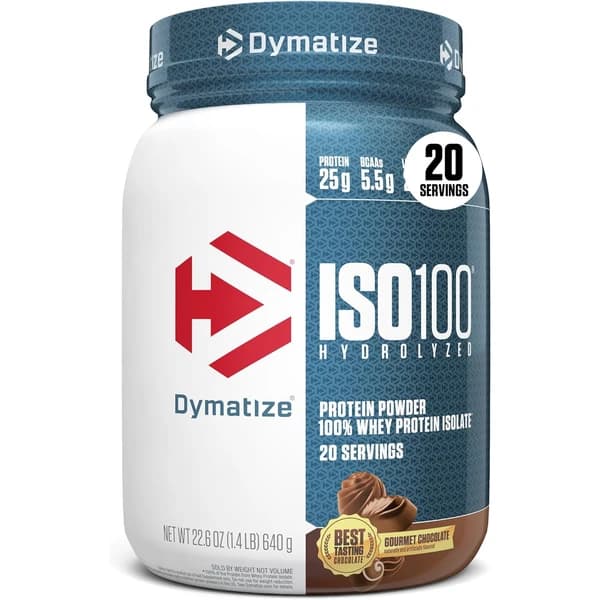
If you're struggling to hit your protein targets through whole foods alone, a high-quality whey protein isolate is one of the most efficient ways to close the gap. Dymatize ISO100 delivers 25g of fast-absorbing protein per serving with under 1g of fat and sugar — making it an excellent choice for anyone in a cut who needs maximum protein density without extra calories.
Amazon · Affiliate
Dymatize ISO100 Whey Protein Isolate
4.7
Fast-absorbing whey isolate with 25g protein and under 1g of fat and sugar per serving. Great for post-workout.
$35–$60Check Price on Amazon
Practical high-protein meal ideas for plateau-busting:
- Greek yogurt + berries as a snack (17–20g protein)
- Cottage cheese + cherry tomatoes before bed (14g protein, helps muscle protein synthesis overnight)
- Chicken breast + roasted vegetables as a base meal (35–40g protein)
- Post-workout shake to hit your daily target without extra fat/carbs
Strategy 4: Change Your Training Stimulus
Your body is remarkably good at becoming efficient. The same workout you struggled through 3 months ago now feels easy — not just because you're fitter, but because your muscles have adapted to the specific demands you've placed on them. That adaptation means fewer calories burned and less muscle stimulus.
Signs your training has plateaued:
- You don't break a sweat in the first 10 minutes of cardio anymore
- Your weights haven't increased in 4+ weeks
- You're on autopilot through your sessions
- You feel no muscle soreness after training
How to introduce progressive overload:
- Increase weight by 5% on compound lifts (squat, deadlift, bench, row)
- Add one extra working set per muscle group
- Reduce rest periods between sets (builds metabolic stress)
- Swap steady-state cardio for HIIT one or two days per week
- Try a completely new training modality (if you only do cardio, start lifting; if you only lift, add a cardio day)
The novelty of a new stimulus forces adaptation, which means your body has to work harder — burning more calories and building more muscle in the process.
Strategy 5: Add or Prioritize Strength Training
If your plateau-busting arsenal currently consists entirely of cardio, this is your most important strategy. Here's a direct comparison of how pure cardio stacks up against a cardio-plus-strength approach:
| Factor | Cardio Only | Cardio + Strength Training | |---|---|---| | Calories burned per session | High | Moderate-High | | Post-workout calorie burn (EPOC) | Low (1–2 hrs) | High (12–24+ hrs) | | Muscle preservation in deficit | Poor | Excellent | | Effect on resting metabolic rate | Neutral to negative | Positive (with adequate protein) | | Long-term fat loss | Plateaus faster | More sustained | | Body composition at goal weight | Skinny-fat risk | Lean and defined |
Strength training's "afterburn effect" — excess post-exercise oxygen consumption (EPOC) — means your metabolism stays elevated for up to 24 hours after a session. Over weeks and months, this additional calorie burn adds up significantly. More importantly, building and preserving muscle tissue raises your RMR, making fat loss progressively easier rather than harder.
Beginner-friendly strength training routine to break a plateau:
- 3 days per week (non-consecutive)
- Focus on compound movements: squats, deadlifts, bench press, overhead press, rows
- 3–4 sets of 6–10 reps per exercise
- Rest 90–120 seconds between sets
Protecting Muscle During Your Training Sessions
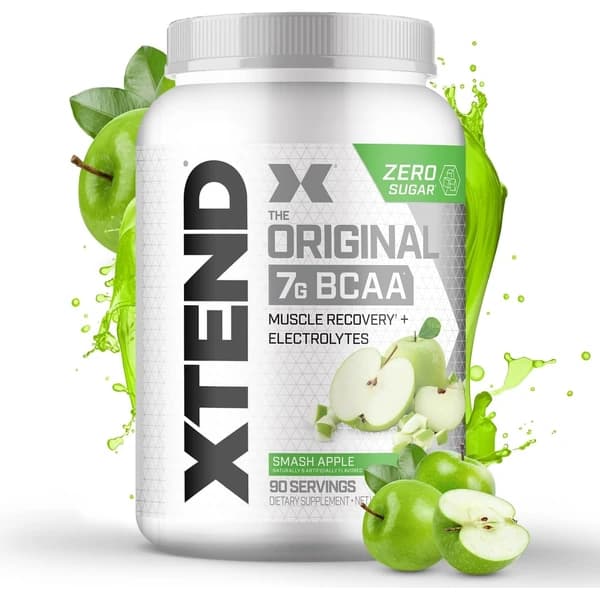
If you're doing both cardio and strength training in a calorie deficit, muscle preservation becomes a priority — especially during longer sessions when glycogen runs low. This is where BCAAs (branched-chain amino acids) provide a meaningful benefit. Sipping Xtend BCAAs intra-workout delivers 7g of leucine, isoleucine, and valine in the clinically supported 2:1:1 ratio, providing your muscles with the raw materials needed to resist breakdown during training. With zero sugar and added hydration minerals, it's a clean way to fuel longer sessions without breaking your fast or adding significant calories.
Amazon · Affiliate
Xtend Original BCAA Powder
4.6
7g BCAAs per serving in the proven 2:1:1 ratio. Zero sugar, hydration minerals, and 14 flavors. Supports muscle recovery and endurance.
$25–$40Check Price on Amazon
Strategy 6: Track Your Activity Output, Not Just Food Input
One of the most overlooked contributors to a plateau is the decline in NEAT and overall activity output mentioned earlier. You may be burning significantly fewer calories than when you started, but without a way to measure that, you're flying blind.
A fitness tracker changes that equation. By monitoring daily step count, active calories, heart rate zones, and exercise output, you gain objective data about your energy expenditure — and you can identify when your activity has dropped.
Research shows that people who track their activity are more likely to increase it. The simple act of monitoring creates accountability and behavioral nudges that translate into real calorie burn: taking the stairs, parking farther away, adding a 10-minute walk after lunch.
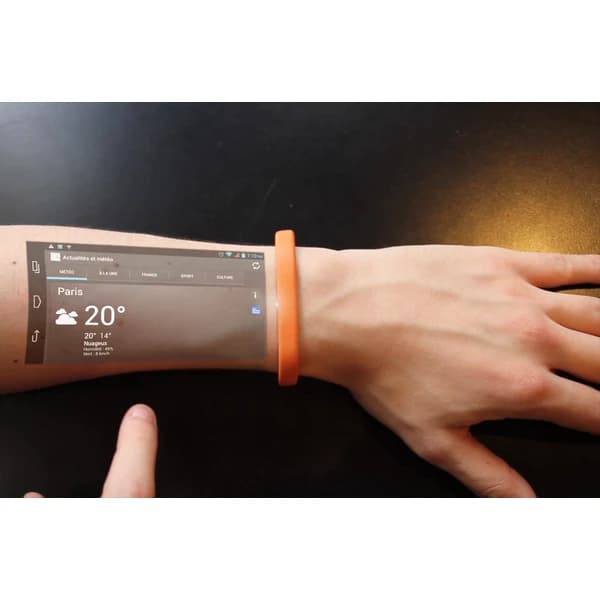
The Fitbit Charge 6 is a premium choice for this purpose. Built-in GPS, continuous heart rate monitoring, 40+ exercise modes, and sleep tracking give you a complete picture of your daily energy output — both during dedicated workouts and throughout the rest of your day. When you know you've only hit 4,000 steps by 3 PM, you're far more likely to take that evening walk.
Amazon · Affiliate
Fitbit Charge 6 Fitness Tracker
4.4
Built-in GPS, heart rate monitoring, sleep tracking, and 40+ exercise modes. Google Maps and Wallet integration.
$100–$160Check Price on Amazon
Targets to aim for when plateau-busting:
- Minimum 7,500 steps per day (10,000 is ideal but not always realistic)
- 150+ minutes of moderate cardio per week
- Dedicated strength sessions: 2–3 times per week
- Monitor sleep score — quality sleep is directly tied to fat loss (see Strategy 7)
Strategy 7: Prioritize Sleep and Manage Stress
This is the strategy most people dismiss — and the one that quietly destroys more fat loss progress than almost anything else.
Sleep deprivation and weight loss:
A landmark study published in the Annals of Internal Medicine found that people in a calorie deficit who slept 8.5 hours lost 55% of their weight from fat, while those who slept only 5.5 hours lost only 25% of their weight from fat — with the rest coming from muscle mass. Even at the same calorie deficit, sleep deprivation dramatically shifted body composition outcomes.
The mechanism: Poor sleep elevates cortisol, the primary stress hormone. Cortisol is directly lipolytic-suppressive (it blocks fat burning), promotes fat storage particularly around the abdomen, and increases muscle catabolism. Additionally, sleep deprivation reduces leptin and raises ghrelin — the same hormonal pattern that drives hunger and metabolic slowdown.
Practical sleep optimization for fat loss:
- Target 7–9 hours of sleep per night consistently
- Keep a fixed sleep and wake schedule — even on weekends
- Make your bedroom cold (65–68°F is optimal for sleep quality)
- Eliminate blue light exposure 60–90 minutes before bed
- Avoid alcohol close to bedtime; it suppresses REM sleep and worsens recovery
Stress management matters too. Chronic psychological stress has the same cortisol-elevating effect as poor sleep. If your life is high-stress, incorporating even 10 minutes of mindfulness, breathwork, or walking in nature per day can measurably reduce cortisol levels over time.
What NOT to Do When You Hit a Plateau
Just as important as knowing what works is knowing what to avoid. These are the most common plateau-busting mistakes that either don't work or actively make things worse.
Don't Cut Calories Dramatically
Slashing calories by 500–800+ per day in response to a plateau is the most common mistake. In the short term, the scale may move — but you're accelerating muscle loss, suppressing thyroid function further, and making the plateau more likely to return quickly. If you've already been in a deficit for months, the answer is rarely to eat even less.
Don't Just Add More Cardio
Adding a 7th day of cardio or doubling your treadmill sessions creates additional caloric expenditure in the short term, but your body quickly adapts. More chronic cardio also increases cortisol, suppresses recovery, and — without adequate strength training — accelerates the muscle loss that slows your metabolism.
The better approach: vary the type and intensity of cardio (HIIT vs. steady-state), keep sessions to 3–5 per week, and pair them with strength training.
Don't Rely on the Scale Alone
Body weight fluctuates by 2–5 lbs daily based on water retention, glycogen stores, sodium intake, and hormonal cycles. A week of flat scale readings doesn't mean fat loss has stopped — it may mean you're retaining water while simultaneously losing fat. Track body measurements (waist, hips, thighs), progress photos, and how your clothes fit alongside scale weight for a more accurate picture.
Don't Ignore the Importance of Diet Breaks
A diet break — intentionally eating at maintenance calories for 1–2 weeks — is one of the most evidence-backed strategies for long-term fat loss. It allows leptin to recover, gives NEAT time to normalize, and provides physical and psychological recovery from the sustained stress of dieting. After a proper diet break, most people return to their deficit with renewed hunger control and a higher metabolic rate.
If you've been in a continuous deficit for 12+ weeks with no break, a deliberate maintenance phase is not giving up — it's strategic.
Don't Skip Tracking When Eating Out
Restaurant meals are often dramatically higher in calories than people estimate. A single restaurant meal can contain an entire day's worth of calories, effectively eliminating any deficit for the week. Use calorie-tracking apps to look up approximate values before eating out, choose lower-calorie options when possible, or use your food scale at home to build intuition for portion sizes.
Final Thoughts
A weight loss plateau isn't a sign of failure — it's a sign that your body is working exactly as it was designed to. Metabolic adaptation is a feature, not a bug, of human biology. The key is to recognize it early, respond strategically, and avoid the panic-driven mistakes (drastic cuts, excessive cardio) that make the situation worse.
The seven strategies in this guide work because they address the actual causes of the plateau rather than just fighting symptoms. Fix your tracking. Recalculate your targets. Dial in your protein. Introduce new training stimuli. Build in strength work. Monitor your output. Protect your sleep.
You don't need to implement all seven at once. Start with the two or three that seem most relevant to your situation — most people see movement within 2–4 weeks of applying even a subset of these strategies consistently.
The scale will move again. Keep going.
Disclosure: This post contains affiliate links. If you purchase through our links, we may earn a small commission at no extra cost to you. We only recommend products we genuinely believe in.
Affiliate disclosure: Some links in this article are affiliate links. If you purchase through them, we may earn a small commission at no extra cost to you. We only recommend products we genuinely believe in.
About the author
Nathan reviews the research, tests the tools, and writes the guides at LeanBodyEngine — evidence-first, no sponsored content, no supplement shilling.
Related articles

Subscribe
Never miss a new article
Get an email whenever we publish a new fitness guide, supplement review, or workout plan. One short email per post — that's it.
Unsubscribe anytime. We only email when there's a new post.