
The Athlete's Guide to Managing Stress and Cortisol
Learn how cortisol affects your gains, recovery, and sleep—plus 5 lifestyle strategies and top supplements to keep stress hormones in check.
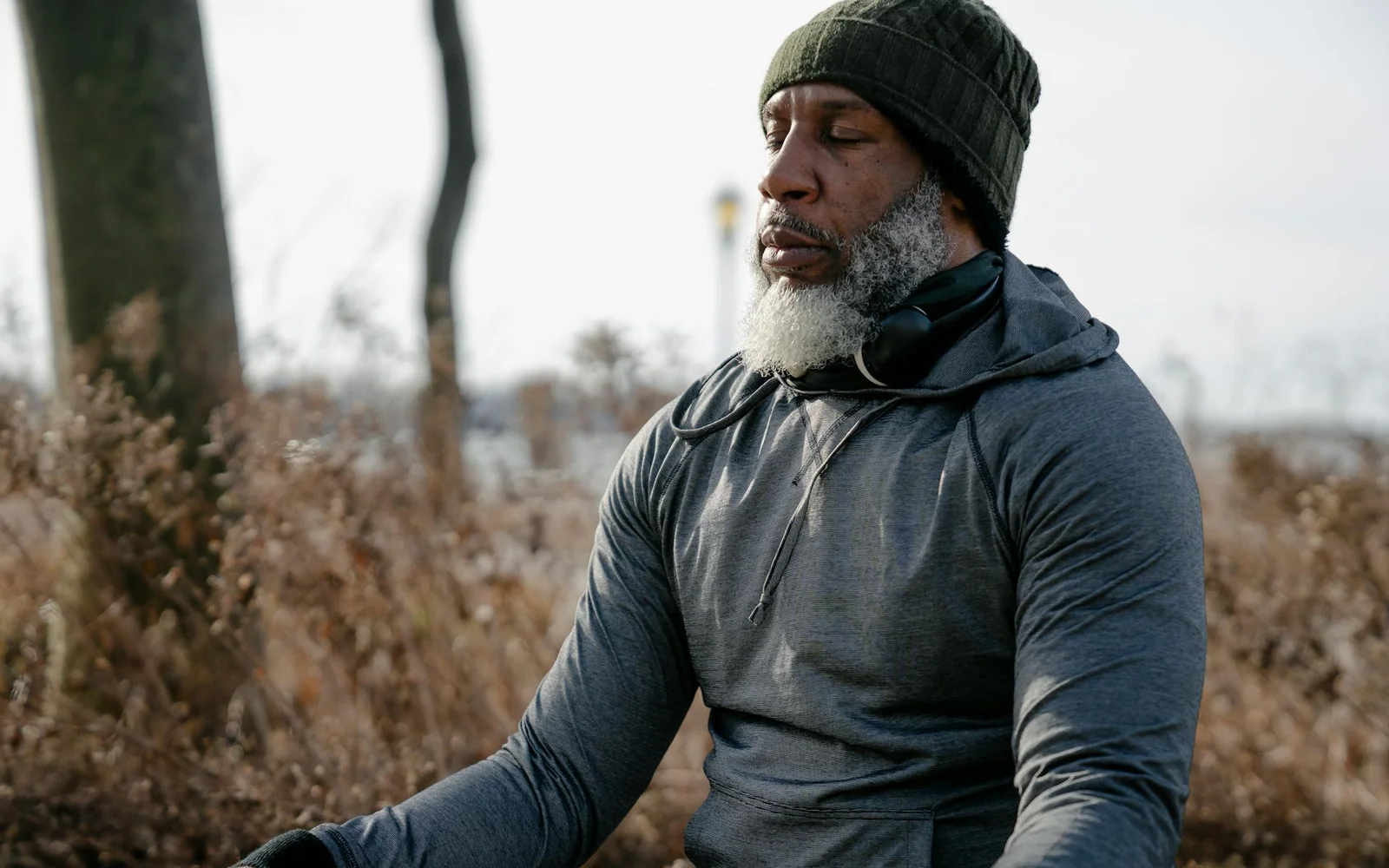
You're training hard, eating right, and sleeping eight hours—yet your progress has stalled, your mood is tanking, and you wake up tired. Sound familiar? The culprit might not be your program or your diet. It might be chronically elevated cortisol quietly dismantling everything you're working toward.
Cortisol isn't the enemy. In the right doses, it helps you push through a tough set, sprint the last 200 meters, and respond to physical challenges. But when it runs high around the clock—common in athletes who pile stress on top of stress—it becomes one of the biggest performance killers in the gym.
This guide breaks down exactly what cortisol does, how it derails your gains, and the concrete strategies (lifestyle and supplement-based) that bring it back under control.
Key Takeaways
- Cortisol is a normal stress hormone that spikes during exercise and drops during recovery—trouble starts when it stays elevated all day.
- Chronic high cortisol breaks down muscle, increases belly fat, disrupts sleep, and blunts testosterone.
- Sleep, training load management, and nutrition are the three most powerful lifestyle levers for cortisol control.
- Adaptogenic supplements (ashwagandha), key minerals (magnesium), and micronutrient support (multivitamins) can meaningfully reduce the stress response.
- Signs of cortisol overload often overlap with overtraining syndrome—if you recognize the checklist below, it's time to act.
What Cortisol Is and Why Athletes Have More of It
Cortisol is a glucocorticoid hormone secreted by the adrenal glands in response to stress—physical, emotional, or psychological. It follows a natural diurnal rhythm: high in the morning to fuel alertness and energy, then tapering through the day to support sleep at night.
Athletes disrupt this rhythm constantly. Every hard training session triggers a cortisol spike. So does caloric restriction, inadequate sleep, work deadlines, relationship conflict, and travel. Your body cannot distinguish between "just finished a brutal leg day" and "just survived a car accident." Both register as threats, both produce cortisol.
For recreational athletes who train 3–4 times per week with adequate rest, cortisol spikes from exercise are brief and followed by healthy recovery. For competitive athletes, CrossFitters, marathon runners, or anyone doubling up on training sessions without adequate recovery, those spikes start to stack. Over weeks and months, the baseline creeps upward.
Why does this matter more for athletes than sedentary people?
Because athletes are already spending more time in the cortisol-elevated state—that's the nature of voluntary physical stress. Add life stress on top, and the adrenal glands are firing almost continuously.
How Chronic Stress Kills Your Gains
Here's exactly what happens to your body when cortisol stays elevated too long:
Muscle breakdown (catabolism). Cortisol triggers gluconeogenesis—the process of converting amino acids from muscle tissue into glucose. Your body literally cannibalize your hard-earned muscle to fuel itself when it perceives ongoing threat. This is why overtrained athletes often see strength and mass losses despite continuing to train.
Increased fat storage, especially around the abdomen. Cortisol increases the activity of lipoprotein lipase, an enzyme that promotes fat storage. Worse, abdominal fat cells have more cortisol receptors than fat cells elsewhere, which is why chronic stress disproportionately causes belly fat.
Disrupted sleep architecture. High nighttime cortisol is one of the primary causes of waking between 2–4am, difficulty falling asleep, and feeling unrefreshed in the morning. Since most muscle protein synthesis and growth hormone secretion happen during deep sleep, anything that fragments sleep directly caps your gains.
Testosterone suppression. Cortisol and testosterone are produced from the same precursor (pregnenolone). Under chronic stress, the body shunts production toward cortisol and away from testosterone—a phenomenon sometimes called "pregnenolone steal." Lower testosterone means less anabolic drive, reduced libido, and slower recovery.
Impaired immune function. Chronically high cortisol initially suppresses inflammation (useful short-term), but over time it dysregulates the immune system, leaving athletes more susceptible to illness and slower to recover from training microdamage.
5 Lifestyle Strategies to Lower Cortisol
No supplement can out-run a terrible lifestyle. These five interventions have the strongest evidence base for cortisol reduction.
1. Protect sleep above all else
Sleeping fewer than 7 hours per night raises cortisol levels the following day—this is not theoretical, it's been demonstrated in controlled trials. Prioritize a consistent bedtime, keep your room cool and dark, and avoid screens 60 minutes before bed. For athletes, sleep is literally when adaptation happens. Every hour cut from sleep is a direct performance debit.
2. Manage training volume and intensity
More is not always better. Running a chronic calorie deficit while also training at high intensity is a recipe for cortisol overload. Incorporate planned deload weeks every 4–6 weeks. Keep at least 1–2 full rest days per week. Track signs of accumulated fatigue (listed in the checklist section below) and reduce volume proactively—not reactively after a breakdown.
3. Eat enough (especially carbohydrates)
Low-carbohydrate diets increase cortisol. Carbohydrates suppress cortisol release during and after exercise by maintaining blood glucose and insulin levels. Athletes chronically undereating carbs—especially around workouts—sustain unnecessarily high cortisol profiles. If you are training intensely, fuel it. This does not mean overeating; it means not under-fueling.
4. Practice active recovery and parasympathetic activation
Light movement (walking, yoga, swimming) on rest days stimulates the parasympathetic nervous system—the "rest and digest" counterpart to cortisol's "fight or flight" drive. Even 10–20 minutes of diaphragmatic breathing, meditation, or light stretching measurably lowers cortisol. These aren't soft suggestions—they're neurological interventions.
5. Reduce non-training stressors where possible
Your cortisol budget is shared between training stress and life stress. If work, relationships, or financial pressure is consuming most of that budget, training hard on top of it is counterproductive. You don't need to quit your job—but identifying your highest-stress inputs and managing them (time-blocking, boundaries, delegation) has a direct performance payoff.
Supplements That Help
Once the lifestyle foundation is in place, targeted supplementation can meaningfully move the needle on cortisol and stress resilience. Here are the three categories with the strongest evidence for athletes.
Adaptogens: Ashwagandha
Adaptogens are a class of botanicals that help the body "adapt" to stressors by modulating the hypothalamic-pituitary-adrenal (HPA) axis—the control center for cortisol secretion. Ashwagandha (Withania somnifera) is the most research-backed adaptogen for athletes.
Multiple randomized controlled trials using KSM-66, the world's most clinically studied ashwagandha extract, have shown significant reductions in serum cortisol (by up to 27%), improvements in perceived stress, and enhanced recovery from exercise. One study in resistance-trained men found that those taking 300–600mg of KSM-66 daily gained significantly more muscle and strength than the placebo group over an 8-week period.

Amazon · Affiliate
Jarrow Formulas Ashwagandha (KSM-66)
4.6
300mg KSM-66 ashwagandha root extract. Clinically studied to reduce cortisol, improve sleep quality, and boost strength.
$15–$25Check Price on Amazon
Dosage guidance: 300–600mg of KSM-66 extract daily, taken with food. Effects typically build over 4–8 weeks of consistent use.
Mineral Support: Magnesium
Magnesium is one of the most common micronutrient deficiencies in athletes. Sweat losses during training deplete magnesium faster than diet typically replaces it. This matters enormously for cortisol because magnesium plays a direct regulatory role in the HPA axis—low magnesium enhances the cortisol response to stress, and supplementing it helps dampen that response.
Beyond cortisol, magnesium glycinate (the chelated form with superior absorption) promotes muscle relaxation, reduces the time it takes to fall asleep, and improves deep sleep quality. For athletes dealing with nighttime muscle cramps, anxiety, or wired-but-tired fatigue, magnesium glycinate is often the highest-ROI supplement in their stack.
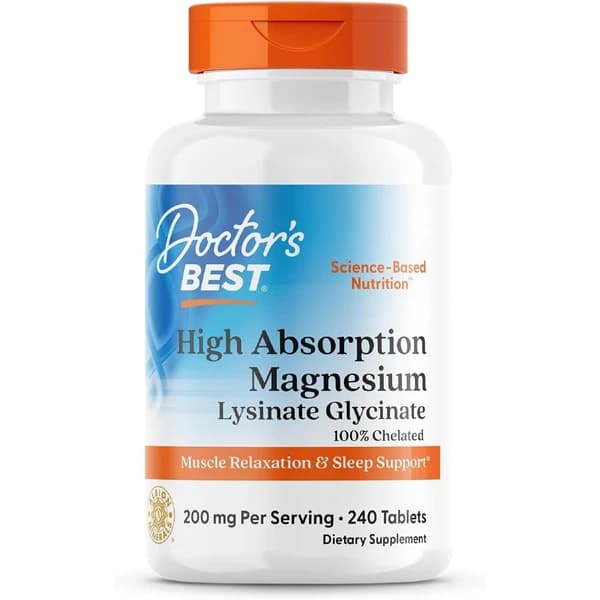
Amazon · Affiliate
Doctor's Best High Absorption Magnesium Glycinate
4.7
Highly bioavailable magnesium chelate. Supports muscle relaxation, deep sleep, stress reduction, and recovery.
$12–$22Check Price on Amazon
Dosage guidance: 200–400mg of elemental magnesium (as glycinate) taken 30–60 minutes before bed. The glycinate form is preferred over oxide or citrate for bioavailability and bowel tolerance.
Nutritional Support: Multivitamins
Micronutrient deficiencies worsen the stress response. B vitamins (especially B5 and B6) are required cofactors in adrenal hormone synthesis—when they're low, cortisol regulation suffers. Vitamin C is concentrated in the adrenal glands and is consumed rapidly during stress. Zinc deficiency elevates cortisol and suppresses testosterone.
A high-quality multivitamin that covers these gaps is a low-cost, high-insurance intervention for athletes. Not all multivitamins are equal, though. Cheap grocery-store formulas often use poorly absorbed forms (magnesium oxide, cyanocobalamin) that provide limited benefit.
Best Overall: Thorne Basic Nutrients 2/Day
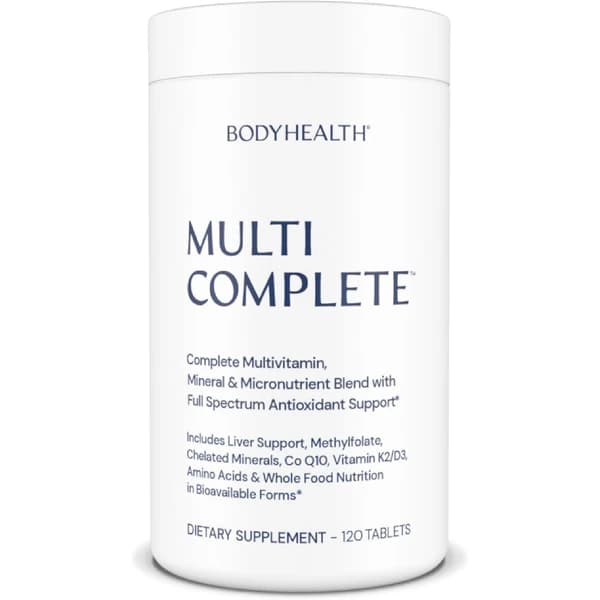
Amazon · Affiliate
Thorne Basic Nutrients 2/Day
4.8
NSF Certified multivitamin for athletes. Highly bioavailable forms of key vitamins and minerals.
$35–$45Check Price on Amazon
Thorne's NSF Certified multivitamin uses highly bioavailable forms—methylcobalamin (B12), methylfolate (B9), and chelated minerals. NSF Certification means every batch is independently tested for potency and purity, which matters for competitive athletes subject to drug testing.
Best Budget Pick: Garden of Life Sport Multivitamin
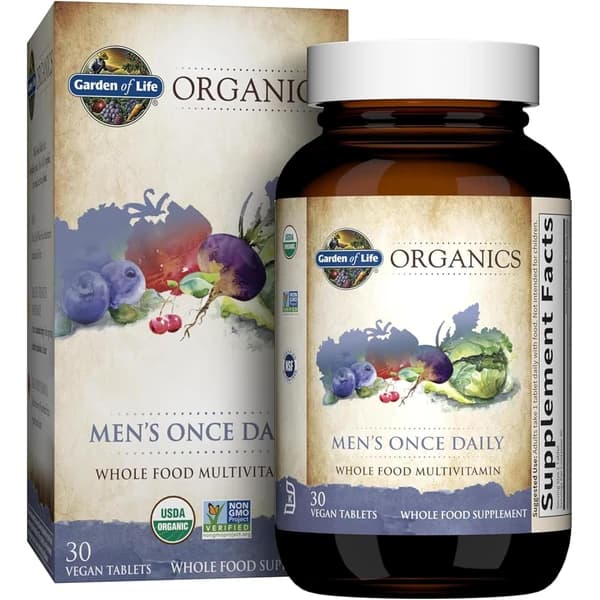
Amazon · Affiliate
Garden of Life Sport Multivitamin
4.6
Certified organic whole food multivitamin for athletes. Includes probiotics and antioxidants.
$30–$40Check Price on Amazon
Garden of Life's whole-food-based formula is certified organic and includes probiotics and antioxidants from real food sources. It's slightly less bioavailable than Thorne's synthetic-chelated forms, but it's a strong option for athletes who prefer food-based supplementation at a more accessible price point.
| | Thorne Basic Nutrients 2/Day | Garden of Life Sport Multi | |---|---|---| | Price | ~$40 | ~$30–35 | | Certification | NSF Certified for Sport | Certified Organic, Non-GMO | | Form | Highly bioavailable chelates | Whole food / organic blend | | Best for | Competitive athletes, purity focus | Natural/organic preference, budget | | Rating | 4.8/5 | 4.6/5 |
Signs You're Overtraining (Cortisol Overload Checklist)
Chronic cortisol excess and overtraining syndrome overlap heavily. Use this checklist as your early-warning system. If you check off 4 or more items consistently over 2+ weeks, it's time to pull back and recover before continuing to push.
Cortisol Level Self-Assessment
- [ ] Persistent fatigue despite sleeping 7–9 hours
- [ ] Waking between 2–4am and struggling to fall back asleep
- [ ] Feeling "wired but tired" — exhausted but unable to relax
- [ ] Decreased motivation to train (sessions feel like obligations, not challenges)
- [ ] Unusual muscle soreness that lingers more than 48–72 hours
- [ ] Strength or performance plateaus or regression with consistent training
- [ ] Increased cravings for sugar or salty foods
- [ ] Mood changes: irritability, anxiety, or low-grade depression
- [ ] Recurring minor illness or slow recovery from illness
- [ ] Brain fog or difficulty concentrating during non-training hours
- [ ] Increased resting heart rate (5+ bpm above your normal baseline)
- [ ] Digestive issues: bloating, loose stools, or reduced appetite
- [ ] Low libido or (for men) difficulty achieving or maintaining erections
- [ ] Belly fat accumulation despite consistent training and diet
What to do if you score high: Reduce training volume by 30–50% for 1–2 weeks. Prioritize sleep. Increase caloric intake (particularly carbohydrates). Consider adding ashwagandha and magnesium glycinate if not already using them. Reassess after two weeks—most athletes see meaningful improvement in this window.
Final Thoughts
Managing cortisol is not about avoiding stress—it's about managing your total stress load so that training stress can do its job (stimulate adaptation) without tipping you into chronic overload.
The framework is simple: protect sleep, fuel your training, manage non-training stressors, incorporate active recovery, and fill nutritional gaps with targeted supplements. The results compound quietly over weeks—better recovery, improved body composition, more consistent performance, and a mood baseline that isn't riding on caffeine.
Start with the lifestyle interventions. Add ashwagandha and magnesium glycinate if stress and sleep are ongoing issues. Plug micronutrient gaps with a quality multivitamin. Then let the process work.
Your gains don't just happen in the gym. They happen in the recovery window after it—and cortisol is either your ally or your obstacle in that window. Now you know how to make it the former.
Affiliate disclosure: Some links in this article are affiliate links. If you purchase through them, we may earn a small commission at no extra cost to you. We only recommend products we genuinely believe in.
About the author
Nathan reviews the research, tests the tools, and writes the guides at LeanBodyEngine — evidence-first, no sponsored content, no supplement shilling.
Related articles


Subscribe
Never miss a new article
Get an email whenever we publish a new fitness guide, supplement review, or workout plan. One short email per post — that's it.
Unsubscribe anytime. We only email when there's a new post.